South Africa's femicide crisis deepens: Runner's death sparks safety fears across the continent
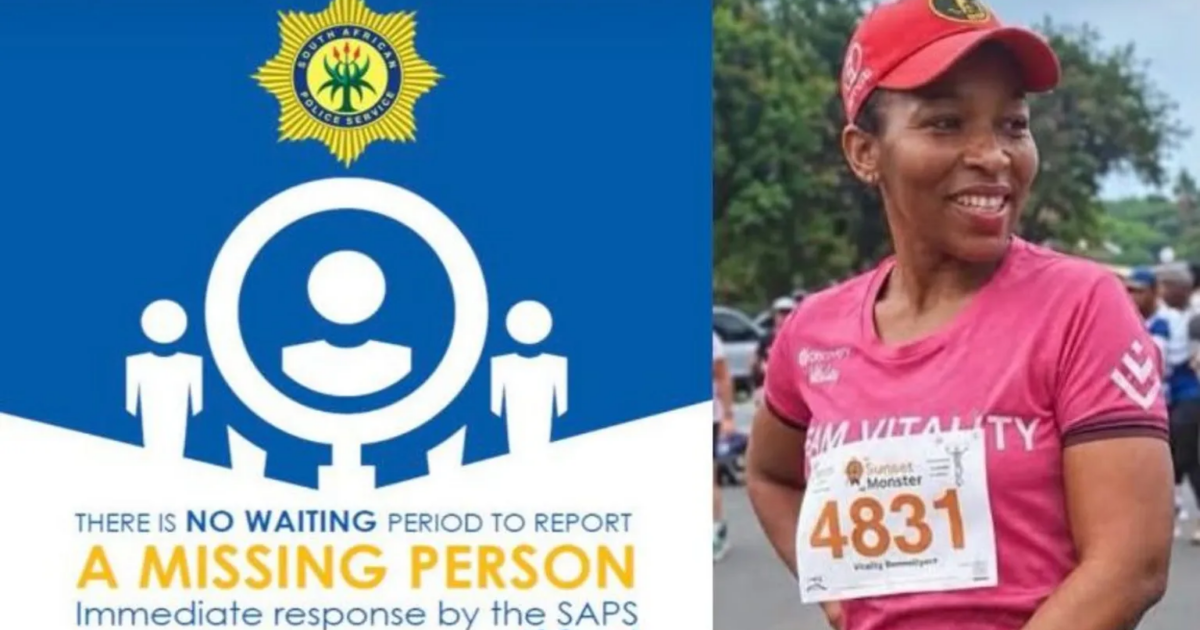
South African authorities have confirmed the death of Elizabeth Moselakgomo, a 29-year-old jogger whose disappearance last week triggered a nationwide search. Her body was identified by relatives on Monday after being discovered east of Johannesburg on Saturday, adding to a grim toll: she is one of five women whose bodies have been found half-naked and bruised in the Kempton Park area in recent days. The discovery has sent shockwaves through South Africa and raised uncomfortable questions about women's safety on the continent more broadly.
While police have stopped short of declaring the cases linked to a serial killer, they acknowledged the "similarities are sufficiently concerning" to warrant a public warning. One arrest has been made in connection with the first body, and a police task team has been established to investigate. Yet the hesitancy to formally connect the deaths reflects a broader challenge: South Africa's endemic struggle with gender-based violence, where the rate at which women are killed is five times higher than the global average according to UN Women.
The human cost of systemic violence
Moselakgomo, affectionately known as "Tsontso" within her running club community, leaves behind an eight-year-old daughter who raised the alarm when her mother failed to return from her routine jog. Fellow runner Keamo Sefularo articulated the profound fear gripping South African women: "It's sad to know that every woman in South Africa… can't just go outside. You can't just go to the shop and buy flowers… because you are always in danger."
The running community has become a microcosm of these broader safety anxieties. Sefularo and others now employ strategies like varying routes, running with groups rather than alone, and choosing well-lit areas. These precautions underscore a troubling reality: women must engineer their own safety rather than trust in institutional protection.
Social media responses reflect deepening frustration. Lesedi Ledwaba posted: "Women are not free if we have to calculate where, when and with whom we can walk, run or exist safely." Advocacy group Women for Change has questioned the value of police services that appear unable to prevent such violence, with spokesperson Merlize Jogiat pointing to poor implementation of existing protective laws as a key failure.
Why it matters for Ghana and the region
While these murders occurred in South Africa, they resonate across West and Southern Africa, where gender-based violence remains a persistent crisis. Ghana and other ECOWAS nations grapple with similar challenges: high rates of femicide, inadequate law enforcement responses, and social norms that restrict women's freedom of movement. The case of Moselakgomo serves as a stark reminder that economic development and urbanisation do not automatically translate to women's safety.
For Ghanaians, particularly women in urban centres, the tragedy raises questions about how communities and authorities can better protect vulnerable populations. The emphasis on "safety in numbers"—a principle Sefularo and other runners advocate—offers practical lessons for grassroots organising. Yet it also exposes the failure of state institutions to guarantee basic security, a concern that transcends borders.
The path forward remains unclear
Moselakgomo's family expressed gratitude for public support and commended their daughter's quick thinking in alerting authorities. However, gratitude cannot substitute for systemic change. Police have urged women in Kempton Park to avoid walking or running alone, particularly in isolated areas—a reactive measure that effectively restricts women's movement rather than addressing the threat itself.
Authorities still have not identified the four other victims discovered in similar circumstances. Until South Africa and the broader region implement meaningful law enforcement reforms, address the root causes of gender-based violence, and create genuine accountability for perpetrators, women will continue to bear the burden of engineered safety measures. Moselakgomo's death is not an isolated tragedy but a symptom of a continent-wide crisis demanding urgent, coordinated action.
Source: MyJoyOnline


Comments (0)
Be the first to comment.