
Nigerian woman sentenced to seven years for trafficking victims to Ghana
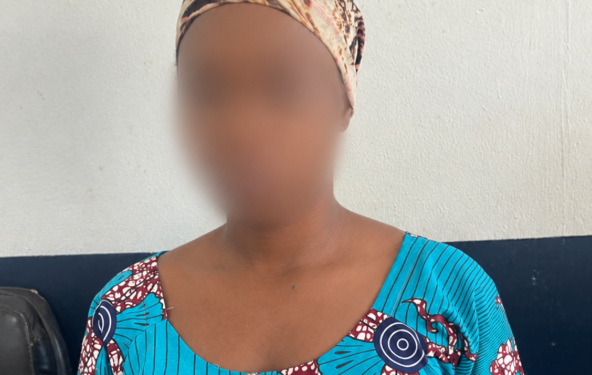

A 24-year-old Nigerian national, Mariam Yussif, has been handed a seven-year custodial sentence with hard labour by Ghana's Gender-Based Violence Court in Tamale for her role in recruiting and moving victims from Nigeria to Ghana for sexual exploitation. The conviction, delivered on October 22, 2026, marks a significant win in Ghana's ongoing battle against transnational human trafficking networks operating in the West African region.
Yussif and her 22-year-old sister, Precious Clement, were arrested on August 17, 2026, at Yendi in the Northern Region following a police investigation into the trafficking operation. While Yussif was charged under Section 2(1) of the Human Trafficking Act, 2005 (Act 694) and proceeded to trial, investigators determined that insufficient evidence existed to prosecute Clement, who was subsequently released. The distinction highlights the rigorous evidentiary standards Ghana's courts apply in trafficking cases, ensuring that convictions rest on solid proof rather than suspicion alone.
During her trial, which began after her initial appearance on August 19, 2026, Yussif maintained a not-guilty plea. However, after several court adjournments, the judicial process concluded with a guilty verdict. She has since been transferred to Tamale Central Prison to serve her sentence. Two victims connected to the case have been repatriated to Nigeria and reunited with their families, offering them a pathway toward recovery away from their traffickers' reach.
Why it matters for Ghana
This conviction underscores Ghana's vulnerability as both a transit and destination country for human trafficking. Criminal networks exploit poverty, limited economic opportunity and weak enforcement in parts of West Africa to move victims across borders for sexual slavery and labour exploitation. The case demonstrates that Ghana's law enforcement and judiciary are increasingly capable of detecting, investigating and prosecuting cross-border trafficking, which requires cooperation between Nigerian and Ghanaian authorities and intelligence-sharing mechanisms.
The Northern Regional Police Command has emphasised that the successful prosecution depended on intelligence-led policing, meticulous investigation and effective court advocacy. Such operations protect Ghana's reputation as a nation committed to combating organised crime and human rights abuses, whilst also sending a deterrent message to potential traffickers considering the country as an operating base.
Strengthening public awareness and reporting
The police have called on Ghanaians to remain vigilant and report suspected trafficking cases to relevant authorities. Human trafficking often operates in secrecy, with victims isolated, threatened or conditioned to silence. Community members—neighbours, workplace colleagues, healthcare workers and others—often hold vital information that could trigger investigations and rescue operations.
- Report suspected trafficking to the police or the Department of Social Welfare
- Recognise warning signs: individuals moved suddenly, restricted movement, signs of abuse, debt bondage or coercion
- Contact the National Human Trafficking Hotline or other support organisations for guidance
The Northern Regional Police Command has reaffirmed its commitment to protecting vulnerable people and pursuing traffickers with the full force of the law. As Ghana continues to strengthen its human trafficking response—through training, inter-agency collaboration and public education—cases like Yussif's reinforce that perpetrators face serious consequences for their crimes.
Source: MyJoyOnline



Comments (0)
Be the first to comment.