African Leaders Rally Behind Higher Education Reform as Engine for Youth Economic Progress
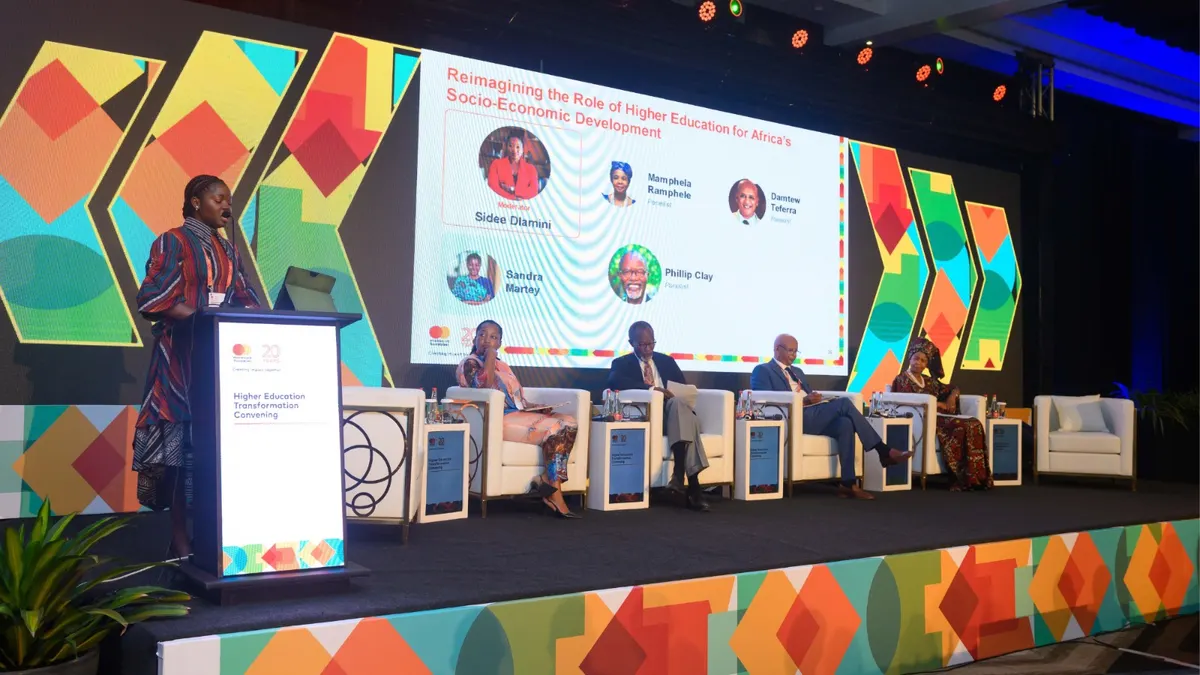
African leaders are uniting around a bold agenda to overhaul higher education systems across the continent, viewing universities not merely as institutions of learning but as catalysts for broad-based economic transformation and youth employment. The movement reflects growing recognition that traditional academic models are failing to equip graduates with skills relevant to modern African economies, leaving millions of young people underemployed despite formal qualifications.
The vision extends beyond campus walls. Rather than treating universities as isolated centres of excellence, African governments are pushing for institutions deeply embedded in their local economies—partnering with businesses, supporting entrepreneurship, and driving innovation that directly addresses regional challenges. This systemic approach aims to break the disconnect between what universities teach and what employers actually need.
Aligning Education with Economic Reality
The push for higher education transformation comes as Africa grapples with a youth unemployment crisis. Across the continent, including Ghana, millions of graduates struggle to find meaningful work while businesses report talent shortages in critical fields. African leaders argue that universities must shift from producing job seekers to producing job creators—graduates equipped with practical skills, digital literacy, and entrepreneurial mindsets suited to emerging sectors like technology, renewable energy, agriculture, and creative industries.
This requires fundamental changes: closer collaboration between universities and industry, curriculum redesign centred on future-ready competencies, investment in research facilities that solve real economic problems, and support for student entrepreneurship and internship programmes. Some African institutions are pioneering these models, but the movement seeks continental coordination and commitment.
Why It Matters for Ghana
Ghana stands to benefit significantly from this continental shift. With its growing youth population and aspirations to become a regional technology and financial hub, the country's universities must evolve quickly. The current mismatch between graduate skills and employer demands undermines Ghana's competitiveness in attracting investment and developing high-value industries.
For Ghanaian students and families, reformed universities could mean better career prospects and higher graduate earnings. For the economy, it could unlock productivity gains, reduce brain drain, and create pathways for young people to build businesses rather than simply chase scarce formal employment. The agenda also aligns with Ghana's own development priorities around digitalisation, manufacturing, and services sector growth.
However, success depends on sustained commitment and resources. African governments and private sector partners must fund infrastructure upgrades, teacher development, and industry partnerships. Ghana's universities—both public and private—will need to lead innovation whilst managing the transition without compromising academic standards.
Next Steps
The continental consensus on higher education transformation is promising, but the real test lies in implementation. African leaders must translate this shared vision into concrete policies, funding commitments, and accountability mechanisms. For Ghana, this means engaging stakeholders—university leadership, employers, students, and government—in a coordinated drive to make tertiary education a genuine engine of inclusive economic progress.
Source: 3News



Comments (0)
Be the first to comment.