
Legal Expert Backs Justice Dzamefe as Next Chief Justice—Here's Why
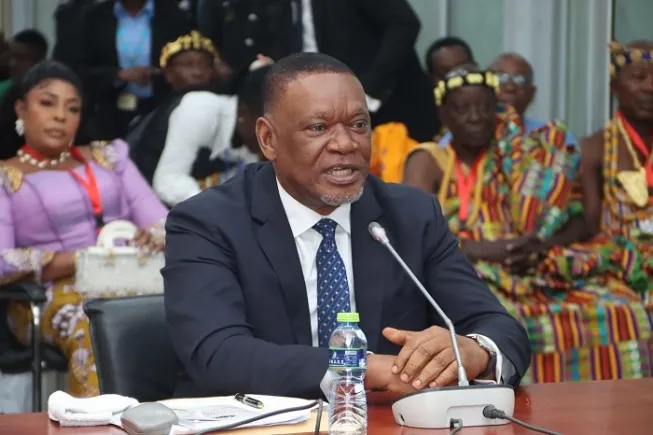

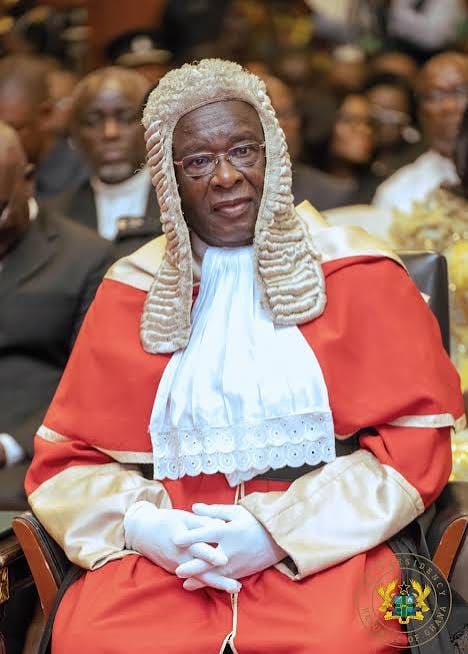
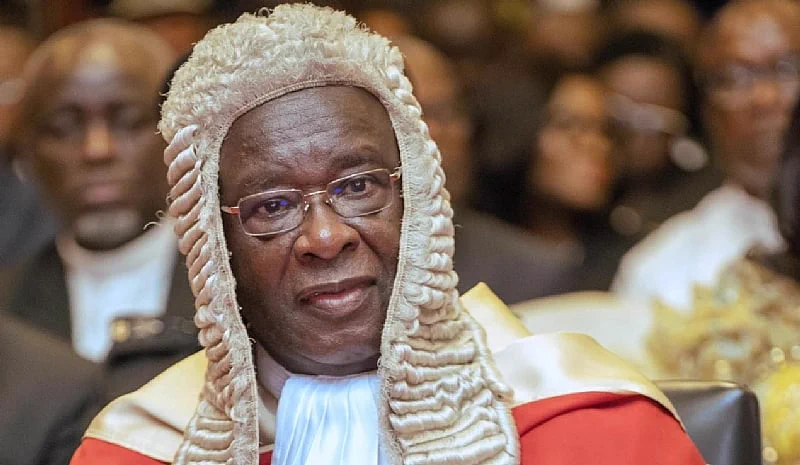
A legal analyst has thrown weight behind Justice Senyo Dzamefe as a strong candidate to lead Ghana's judiciary as the next Chief Justice, arguing that his track record demonstrates the fairness, competence and integrity required for the nation's highest judicial office.
The endorsement comes as the country anticipates succession planning in the judiciary, with questions already circulating about who will lead the Supreme Court when the current Chief Justice's tenure concludes. Such discussions are not unusual in Ghana's public sphere, where judicial leadership is closely watched given the courts' central role in upholding the rule of law and resolving political and constitutional disputes.
Why it matters for Ghana
The Chief Justice of Ghana wields enormous influence over the country's legal system and, by extension, its democratic institutions. The position carries responsibility for managing the Supreme Court, guiding judicial policy, and often determining outcomes in high-profile cases that affect national governance. Previous Chief Justices have presided over electoral disputes, constitutional reviews, and cases involving sitting and former presidents, making the choice of successor a matter of significant public interest.
Justice Dzamefe's potential candidacy reflects broader conversations within Ghana's legal community about the qualities needed to steer the judiciary through evolving challenges. These include adapting to digital transformation in courts, managing case backlogs, ensuring judicial independence amid political pressures, and maintaining public confidence in the bench.
The analyst's endorsement suggests that among potential candidates within Ghana's senior judiciary, Dzamefe is regarded as someone who balances these demands. However, the final decision on Ghana's next Chief Justice rests with the President and, in some respects, involves consultation with the Judicial Council and broader stakeholder input.
The Chief Justice selection process
Traditionally, Ghana's Chief Justice is appointed by the President, though the process involves consultation and is expected to reflect merit and broad acceptance. Predecessors in the role have come from various backgrounds within the judiciary, and the appointment typically generates public debate about judicial independence, seniority, and competence.
Such endorsements by legal analysts, while not determinative, contribute to the public conversation about judicial leadership and help shape expectations about the qualities voters, civil society, and the legal profession value in the nation's top judge.
What lies ahead
As Ghana's judiciary continues to navigate complex cases and evolving constitutional questions, the selection of a new Chief Justice will be closely scrutinised by civil society, political actors, and international observers. The successful candidate will need to demonstrate commitment to judicial independence, fairness across cases involving powerful political figures, and modernisation of court operations.
Whether Justice Dzamefe ultimately ascends to the position or not, the public endorsement reflects confidence in his capabilities and adds his name to the ongoing national conversation about Ghana's judicial future.
Source: 3News



Comments (0)
Be the first to comment.