Kumasi Mayor Cracks Down on Illegal Transport Fares as 'Short-Short' Scam Hits Commuters
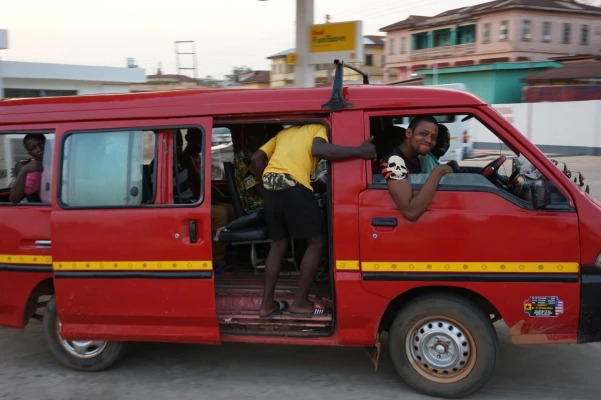
The Kumasi Metropolitan Assembly (KMA) has launched a major crackdown on commercial transport operators flouting approved fare regulations, with Mayor Richard Ofori-Agyeman Boadi personally leading enforcement operations across major transport hubs in the city. The initiative targets widespread malpractices that are pushing commuting costs beyond official guidelines and frustrating daily commuters across the metropolis.
Operation Targets Multiple Transport Hotspots
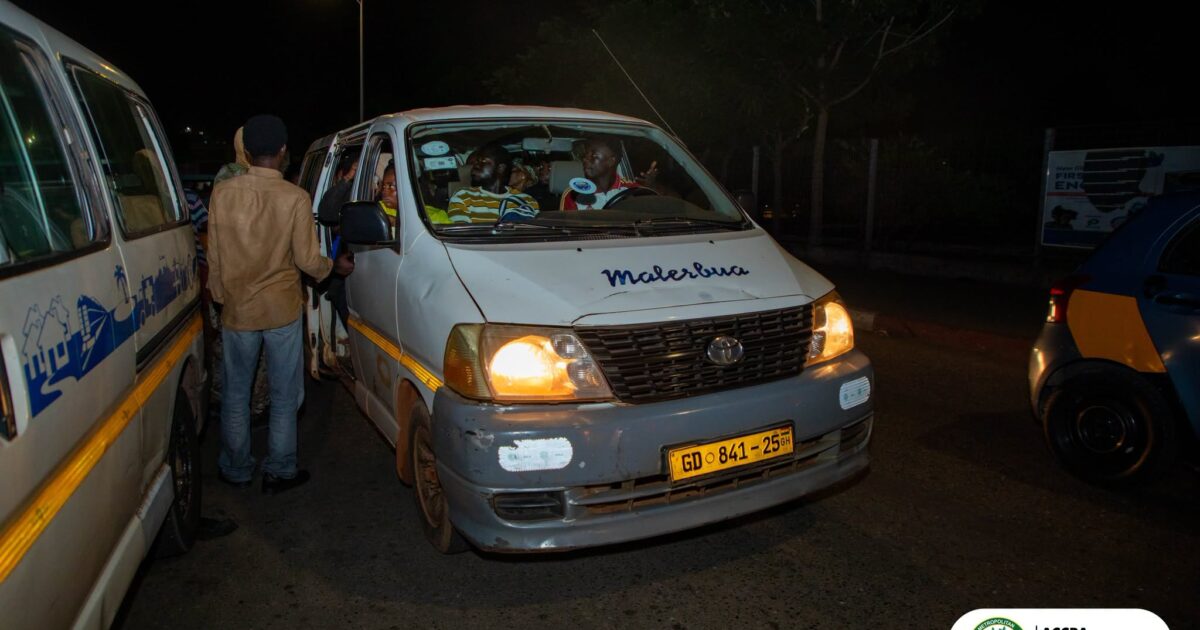
Working alongside Transport Department officials and a dedicated security task force, the KMA team conducted inspections at key transport terminals including Abrepo Junction, Racecourse, Ashtown, Kejetia and Adum. During the operation, officials directly engaged with passengers to verify the fares they had paid, with the Mayor personally overseeing vehicle loading at several checkpoints to guarantee safe onward travel for affected commuters.
The enforcement exercise resulted in mixed outcomes: whilst some vehicles were cleared to continue operations after passing inspection, others were detained pending compliance. This hands-on approach reflects the Assembly's determination to send a clear message that unauthorised fare practices will not be tolerated.
The "Short-Short" Menace Draining Commuters' Wallets
A particular focus of the crackdown is the exploitative "short-short" system, where drivers deliberately operate only selected portions of established routes. This forces passengers to disembark at intermediate points and board additional vehicles to reach their final destinations, effectively multiplying fare payments for a single journey. Mayor Boadi directly warned operators against this practice, which has become a significant source of frustration for Kumasi's commuting public.
The Mayor issued clear directives that all transport unions must hold valid operational permits before resuming activities. Unlicensed unions have been ordered to cease operations immediately and apply for proper authorisation through the correct channels. He also emphasised that drivers and operators must strictly adhere to approved transport arrangements established by their respective unions and regulatory bodies.
Why It Matters for Ghana
This crackdown reflects broader challenges facing Ghana's urban transport sector, where enforcement of fare regulations remains inconsistent across major cities. Kumasi, as Ghana's second-largest city, sets an important precedent for how Metropolitan Assemblies can tackle transport malpractices that disproportionately affect low-income commuters who depend on public transport daily.
The KMA's approach—combining regulatory enforcement with public participation—offers a model that other assemblies may adopt. By explicitly encouraging commuters to report violations, the Assembly is shifting accountability from enforcement alone to community-based oversight, which historically proves more sustainable in preventing transport sector abuses.
For ordinary Ghanaians, particularly traders, workers and students who rely on commercial transport, effective fare regulation directly impacts household budgets and economic productivity. Uncontrolled fare increases effectively function as hidden taxes on the poor, diverting money from food, education and healthcare into transport costs.
Ongoing Enforcement and Public Cooperation
The KMA has committed to sustaining monitoring and enforcement operations across Kumasi to ensure long-term compliance with transport regulations. The Assembly's success will largely depend on whether drivers respond with genuine behavioural change or view the crackdown as a temporary disruption to be weathered.
Mayor Boadi's call for public reporting of fare violations is crucial; commuters armed with information about approved fares and armed with confidence that complaints will be acted upon represent the most effective enforcement mechanism available. The Assembly must follow through with visible action on complaints to maintain credibility and momentum.
As the KMA sustains these operations, the coming weeks will reveal whether this initiative produces lasting change in transport operations or whether drivers and unions find ways to circumvent the new enforcement regime.
Source: The Ghana Report


Comments (0)
Be the first to comment.