Kumasi transport operators halt services over GH¢1 fare increase, demand government talks
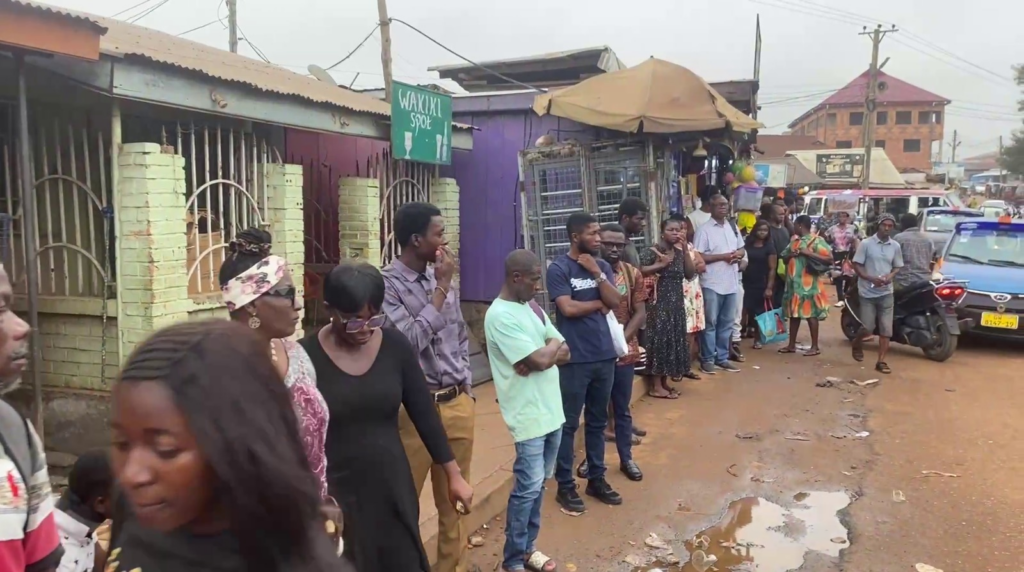
Commercial transport operators in Kumasi have brought services to a standstill on major routes, demanding urgent dialogue with authorities over fare adjustments and what they describe as heavy-handed enforcement against drivers seeking to recover losses from soaring operational costs.
Drivers on the Santasi-Tech and Santasi-Ejisu routes parked their vehicles at Santasi station on Monday, leaving commuters stranded, in response to the arrest and prosecution of colleagues who added GH¢1 to existing fares. The action represents a significant escalation in tensions between the transport sector and local authorities over Ghana's persistent fuel cost crisis.
The cost squeeze facing drivers
According to the protesting drivers, the informal one-cedis fare increase is a survival measure, not profiteering. They explained that fuel prices and vehicle maintenance costs have climbed sharply, eroding daily earnings to unsustainable levels. One driver recounted earning just GH¢80 after fuel and operational expenses on a full working day—an amount that barely covers basic living costs when split with a conductor.
The drivers highlighted a frustrating disconnect: whilst the government proposed a 30 percent increase in transport fares, that formal adjustment remains unimplemented. In the absence of official tariff adjustments, they argue, drivers have no choice but to absorb losses or seek informal alternatives to stay afloat.
The crackdown compounds their grievance. Drivers report being arrested and fined GH¢10,000 for the unauthorised fare adjustment—a penalty that can wipe out weeks of modest earnings and deepens resentment toward authorities.
Why it matters for Ghana
This standoff reflects a structural crisis in Ghana's transport sector that extends far beyond Kumasi. Commercial driving is a lifeline for millions—not only drivers and conductors, but their families and the broader economy depending on reliable, affordable movement of goods and people. When drivers cannot earn enough to maintain vehicles, service quality deteriorates, safety risks multiply, and commuters suffer longer delays and unreliable schedules.
The stalemate also highlights gaps in government policy implementation. A formally approved 30 percent fare increase that remains unapplied creates a void that informal arrangements fill—yet authorities then punish drivers for taking actions they see as necessary. This approach risks pushing more of the transport sector into informality, making it harder to regulate, tax, and improve.
For commuters—many of them traders, workers, and students—disruptions like the Kumasi protest compound the cost-of-living squeeze. Higher transport costs ripple across the economy, affecting food prices, rental income, and household budgets already strained by inflation and energy costs.
The standoff continues
The drivers have made clear they will not resume operations until two conditions are met: formal dialogue with authorities on fare adjustment, and an end to arrests and fines for informal fare increases. Authorities have not yet publicly responded to the protest or indicated willingness to negotiate on either point.
As the suspension persists, pressure will mount on local government and transport regulators to break the impasse. Whether through formal fare review, dialogue with transport associations, or a negotiated settlement, a resolution is needed to restore services and address the underlying cost pressures facing drivers across Ghana's transport network.
Source: The Ghana Report
.jpg)
Comments (0)
Be the first to comment.