Transport Operators Threaten September Strike Over Soaring Spare Parts Costs
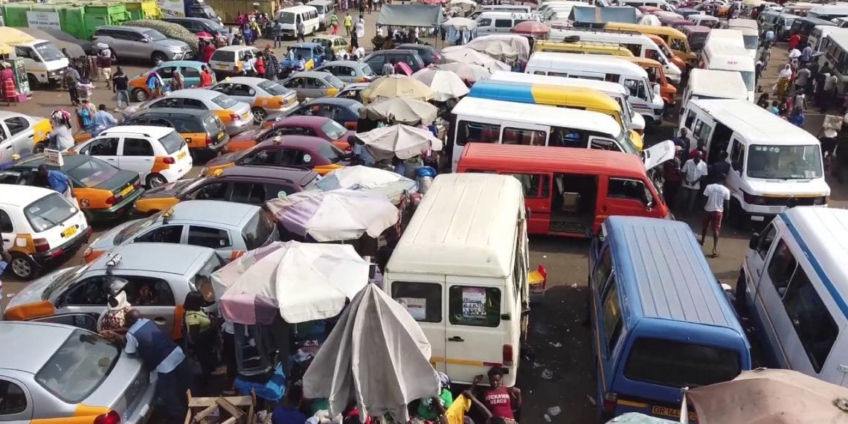
Ghana's commercial transport sector faces potential paralysis as the Progressive Transport Owners Association (PROTOA) sets September 21, 2026, as the date for an indefinite withdrawal of services. The strike threat centres on what operators describe as unsustainable increases in vehicle maintenance costs, driven largely by expensive spare parts imports.
According to PROTOA Public Relations Officer Samuel Adu-Yeboah, the association has already notified the government and public of its intentions. However, the strike could still be averted if the Transport Ministry agrees to meaningful negotiations before the deadline. "If transport ministry is ready to meet up, to go on a negotiation table, we are good to go," Adu-Yeboah said during a Wednesday interview on Channel One TV.
The Rising Cost Burden
PROTOA attributes the escalating maintenance expenses to multiple factors in Ghana's import supply chain. Port charges, customs duties, taxes and other levies imposed on imported vehicle components have created a cumulative cost burden that operators say makes commercial transport increasingly unviable. The association issued a public notice on September 9 highlighting these pressures, but says government action has been insufficient.
For transport operators already navigating thin profit margins, these additional costs threaten business sustainability. Spare parts essential for vehicle upkeep—from engines and transmissions to brakes and electrical systems—have become significantly more expensive, forcing operators to choose between raising fares or absorbing losses.
Why This Matters for Ghana
A transport strike of indefinite duration would have immediate and severe consequences for Ghana's economy and daily life. Commuters depend on commercial vehicles for movement between cities and within urban centres; a shutdown would paralyse commerce, disrupt school and work attendance, and affect healthcare access. Goods transport would stall, potentially disrupting supply chains for businesses and markets.
The underlying issue—high import costs for vehicle parts—reflects broader structural challenges in Ghana's economy. Port efficiency, tariff structures and local manufacturing capacity all play roles. If the government cannot resolve this dispute quickly, it signals deeper problems with how policy addresses private sector concerns in essential services.
Moreover, this dispute highlights the tension between government revenue objectives (through port and import duties) and the sustainability of critical services. Transport operators argue they bear the full weight of these levies whilst providing an essential public service with limited ability to pass costs to already price-sensitive commuters.
Next Steps and Negotiations
PROTOA has left the door open for dialogue. The association says it remains prepared to engage the Transport Ministry in finding solutions, provided discussions occur before September 21. This window of opportunity gives government a concrete timeline to address operator concerns.
Key issues likely to feature in any negotiations include:
- Reviewing or reducing port and import duties on vehicle spare parts
- Exploring local assembly or manufacturing options to reduce import dependency
- Establishing a dialogue framework for periodic operator-government engagement on cost pressures
The coming days will be critical. If no meaningful progress is achieved, PROTOA members will implement their strike threat, affecting millions of Ghanaians who rely on commercial transport for daily activities and livelihoods.
Source: MyJoyOnline

Comments (0)
Be the first to comment.