IGP meets okada riders to tackle safety crisis and tighten licensing enforcement
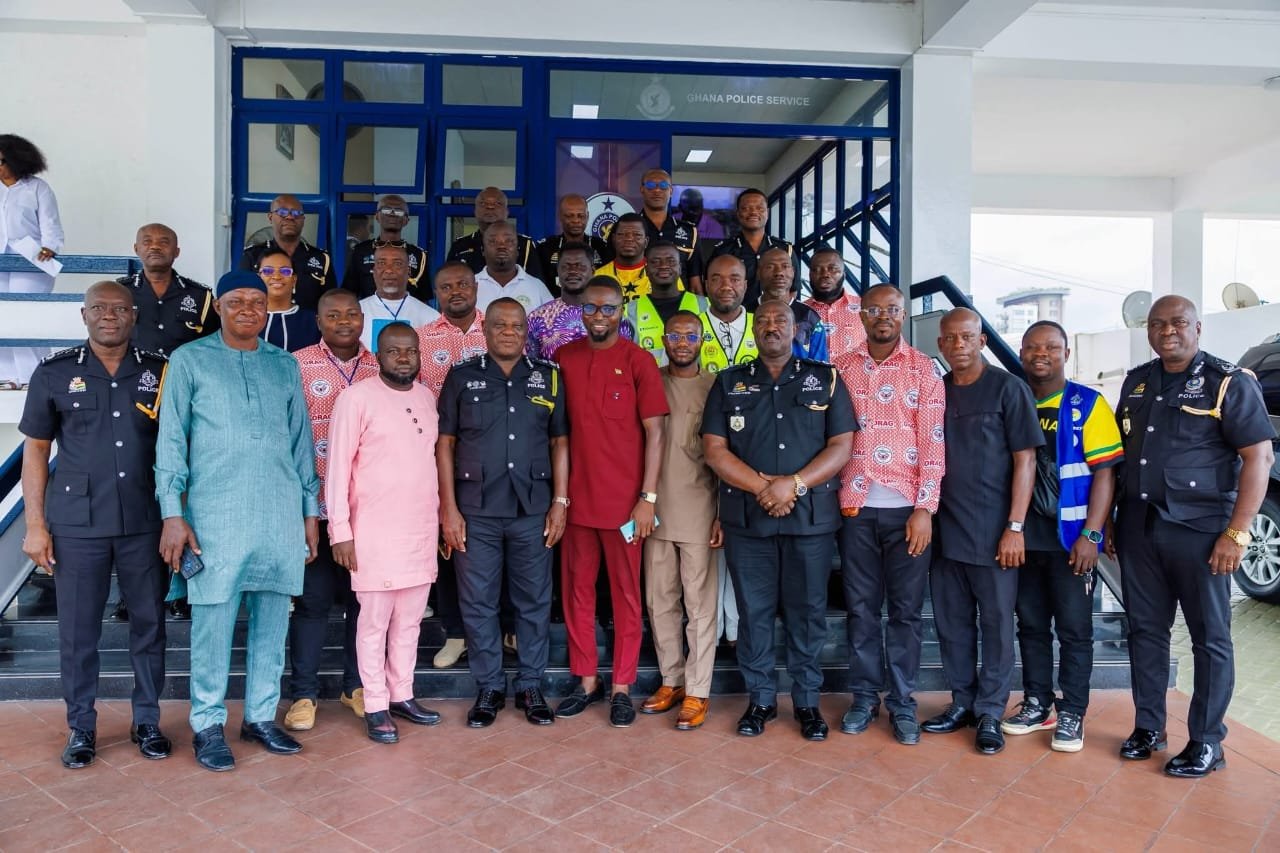
Ghana's top police officer has held talks with leaders of the commercial motorcycle taxi sector to address mounting safety concerns and strengthen law enforcement cooperation on the roads. Inspector-General of Police Christian Tetteh Yohuno met with the Okada Riders Association of Ghana (ORAG) alongside members of the Police Management Board to discuss how riders can reduce accidents and criminal activity linked to their operations.
The engagement represents a significant effort to bridge communication between the Police Service and one of Ghana's most visible transport sectors. Okada operations have expanded dramatically across urban and peri-urban areas, offering affordable mobility but also raising concerns about road safety, crime and regulatory compliance.
Key safety demands from police leadership
The IGP outlined clear expectations for the motorcycle taxi industry. He stressed that riders must receive proper training in safe riding techniques and adhere strictly to traffic regulations. Mr Yohuno also called on ORAG leadership to conduct ongoing education programmes for members, emphasising that consistent rider training could significantly reduce road crashes involving motorcycles.
A critical area of focus was licensing and registration. The IGP urged the association to ensure all members are formally identified, properly registered with relevant authorities, and hold valid licenses. He underscored that compliance with motorbike registration requirements is essential for accountability and public safety.
Why it matters for Ghana
Road safety remains a serious public health challenge in Ghana. Motorcycle taxis, whilst providing crucial affordable transport for millions, are disproportionately involved in fatal and serious accidents. According to patterns in road safety data, two-wheeler accidents account for a significant share of road deaths and injuries nationally. Many okada riders operate without formal training or proper documentation, complicating enforcement and raising accident risk.
The association's willingness to collaborate signals potential progress. ORAG President Michael Kofi Owusu welcomed the engagement and pledged the association's commitment to working with police to improve operations, enhance safety standards and support crime reduction efforts. This cooperation could lead to better self-regulation within the sector and improved coordination with law enforcement on enforcing road rules.
For commuters and the broader public, stronger standards and enforcement could mean safer roads. For riders themselves, formal licensing and training can improve survival rates, reduce insurance complications and enhance the legitimacy and long-term sustainability of the okada economy.
Path forward for stakeholders
The Police Administration has committed to ongoing engagement with okada leaders and pledged to address the association's concerns constructively. However, success will depend on meaningful implementation. ORAG must translate pledges into concrete action: rolling out training programmes, enforcing internal discipline among members who flout rules, and ensuring registration compliance.
For the Police Service, the challenge is balancing enforcement with fairness. Heavy-handed crackdowns on unregistered riders risk pushing the sector further underground. A collaborative approach that incentivises compliance whilst supporting riders' livelihoods is more likely to yield lasting safety improvements.
Source: The Ghanaian Times


Comments (0)
Be the first to comment.