OMJ Foundation launches major support drive for Akuapem South okada riders with free fuel, safety gear

The OMJ Foundation has rolled out a comprehensive support programme targeting commercial motorcycle riders in Akuapem South Municipality, combining immediate financial relief with longer-term initiatives aimed at improving safety and regulatory compliance. The flagship "OMJ Free Fuel for Okada Riders – Akuapem South" initiative, which took place on Saturday, 26 September 2026, provided over 600 riders with free fuel across 34 fuel stations spanning 29 communities in the municipality.
Chief Executive Officer Osei Mensah Joseph, who championed the initiative, recognised the critical role okada services play in the local economy and daily transportation landscape. Research conducted by his team revealed that approximately 70 per cent of commuters in Akuapem South rely on okada services daily, underscoring the sector's importance to community mobility and commerce.
The scale of regulatory challenges
Beyond the immediate fuel support, the initiative exposed significant gaps in rider compliance and safety standards across the municipality. According to findings presented during the programme, 85 per cent of commercial riders operating in Akuapem South lack valid riding licences, whilst 90 per cent have not registered their motorcycles. These figures highlight widespread regulatory vulnerabilities that expose both riders and passengers to legal and safety risks.
Mensah Joseph committed to addressing these systemic issues through a multi-faceted approach. Plans include providing reflective riding gear to enhance visibility during night-time operations and adverse weather conditions—a practical safety measure particularly relevant to Ghana's road safety challenges. The foundation has also pledged ongoing support to formalise and professionalise the okada sector within the municipality.
Why it matters for Ghana
The OMJ Foundation's intervention reflects broader concerns about informal transport sector regulation and safety in Ghana. Okada services form a vital component of last-mile connectivity in many Ghanaian communities, particularly in rural and semi-urban areas where formal public transport is limited. However, the sector has long struggled with compliance issues, including unlicensed operators and unregistered vehicles, creating safety risks and revenue losses for government.
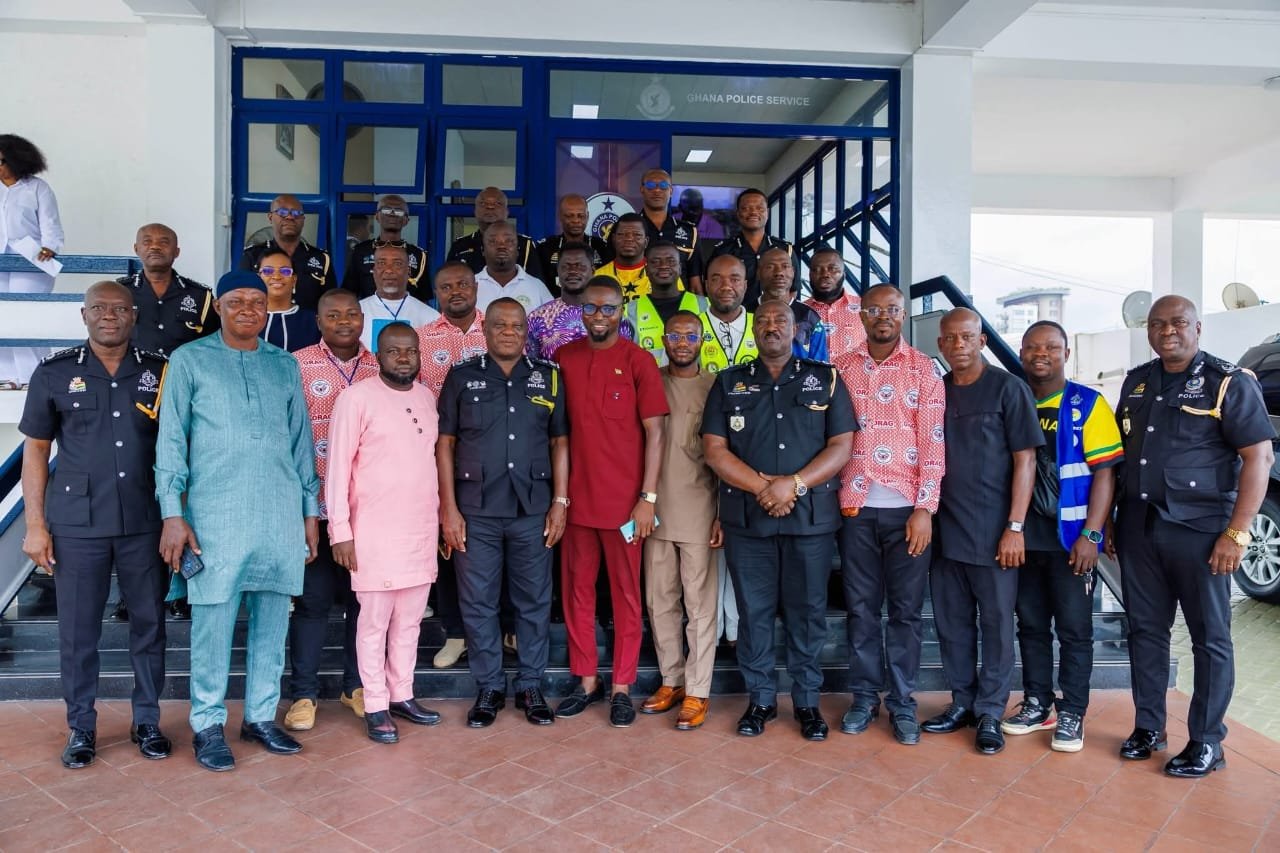
The Akuapem South initiative demonstrates a collaborative governance approach. The programme brought together multiple stakeholders including the National Road Safety Commission, Ghana Police Service, National Health Insurance Scheme (NHIS), Ghana National Fire Service, Star Assurance, and the Commercial Riders Union of Ghana (CRUG). This multi-agency engagement facilitated simultaneous interventions on licensing, road safety, health insurance registration, motorcycle registration and fire safety awareness.
NHIS officials used the platform to register new members and renew expired health insurance memberships at no cost, directly improving healthcare access for riders and their families. Such integrated programmes offer a model for addressing multiple policy objectives simultaneously—combining immediate support with long-term institutional strengthening.
For Akuapem South specifically, okada services are particularly essential given the municipality's geographical terrain and limited conventional public transport infrastructure. The recognition that okada riders contribute significantly to local commerce and community mobility validates the sector's economic importance whilst highlighting the need for supportive regulatory frameworks rather than punitive approaches.
The initiative was anchored on the principle "Giving Back, Giving Hope, Inspiring Generations" and observed the 5th September International Day of Charity, positioning corporate social responsibility within a broader development agenda.
Source: MyJoyOnline

Comments (0)
Be the first to comment.