
Korle Bu Teaching Hospital in crisis plea: urgent need for permanent doctors and nurses
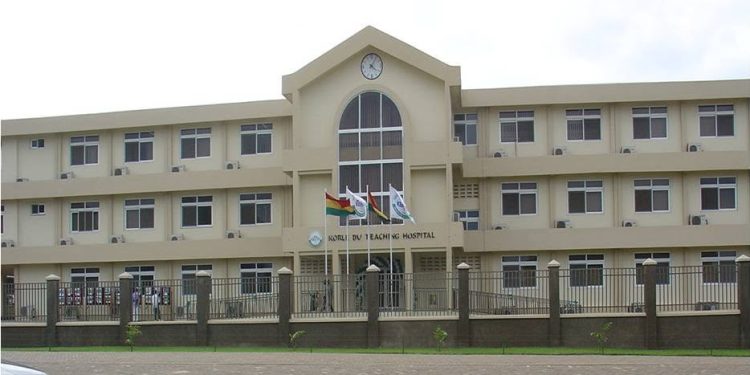
Korle Bu Teaching Hospital, Ghana's largest and most prestigious medical facility, has made an urgent appeal to the government for a significant increase in permanent medical staff to tackle chronic understaffing that is compromising patient care across critical departments.
During a briefing to Parliament's Health Committee, hospital Chief Executive Officer Dr. Yakubu Seidu Adam highlighted the stark reality facing the institution: whilst it trains hundreds of medical professionals annually, most trainees leave upon completing their programmes, leaving the hospital severely under-resourced with permanent staff.
The pressure on emergency and critical care
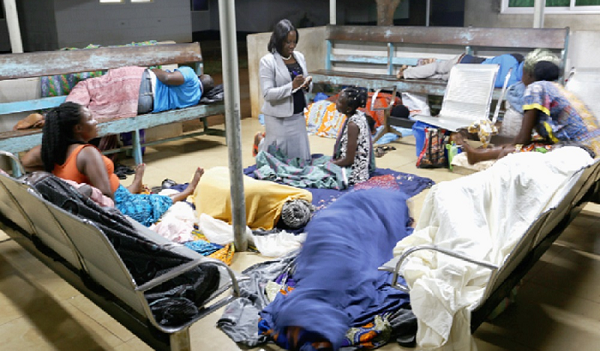
The 64-bed Accident and Emergency Centre at Korle Bu is bearing the brunt of the staffing crisis. Dr. Adam disclosed that the unit is dangerously overstretched, processing high volumes of accident victims and emergency cases referred from across Ghana daily. This overwhelming demand has stretched existing staff to breaking point, creating knock-on effects in the Intensive Care Unit and other critical departments where timely, quality care is most essential.
The shortage of permanent medical officers directly impacts the hospital's capacity to provide emergency and intensive care services. Whilst Korle Bu maintains a substantial complement of doctors on its premises, the reality is that many are trainees at various stages of their professional development rather than permanent employees committed to the institution long-term.
Dr. Adam emphasised the paradox facing the facility: "This is a training institution. We have a number of doctors, but when we look at our numbers, most of them are not our staff. It's a training institution; they come, we train them, and they go." The hospital's role as a premier training centre, whilst vital for Ghana's healthcare system, has inadvertently created a staffing model that leaves it perpetually understaffed with permanent personnel.
Why it matters for Ghana
Korle Bu's staffing crisis has profound implications for healthcare across Ghana. As the national referral hospital, it serves as the clinical backbone for the entire health system, receiving the most complex and critical cases from regional hospitals and health facilities nationwide. When Korle Bu is understaffed, the entire chain of healthcare delivery suffers.
For ordinary Ghanaians, this means longer wait times in emergency departments, delayed access to critical care, and potentially compromised treatment outcomes during medical emergencies. The situation also reveals a systemic challenge in Ghana's healthcare workforce planning: how to balance the essential role of training future doctors and nurses whilst ensuring institutions have enough permanent staff to function effectively.
Beyond immediate patient care, chronic understaffing can lead to burnout among existing staff, potentially driving more experienced medical professionals to seek opportunities abroad—a phenomenon known as brain drain that Ghana's health sector has struggled with for years. The appeal also underscores the government's ongoing challenge in adequately budgeting for healthcare workforce expansion.
Next steps and infrastructure needs
Management has already escalated concerns to the hospital's Director of Human Resources and the Minister of Health. The parliamentary briefing served as a formal renewal of the appeal for additional permanent medical personnel, particularly nurses and medical officers.
Beyond staffing, Korle Bu is also advocating for construction of a new Accident and Emergency Centre facility. This dual appeal—for both human resources and physical infrastructure—reflects the multi-layered nature of the crisis facing the institution. A new A&E facility alone would not solve the problem without adequate permanent staff to operate it effectively.
Source: Today GH



Comments (0)
Be the first to comment.