
Konongo Chief Links Miner's Death to River Oracle as Galamsey Fight Intensifies
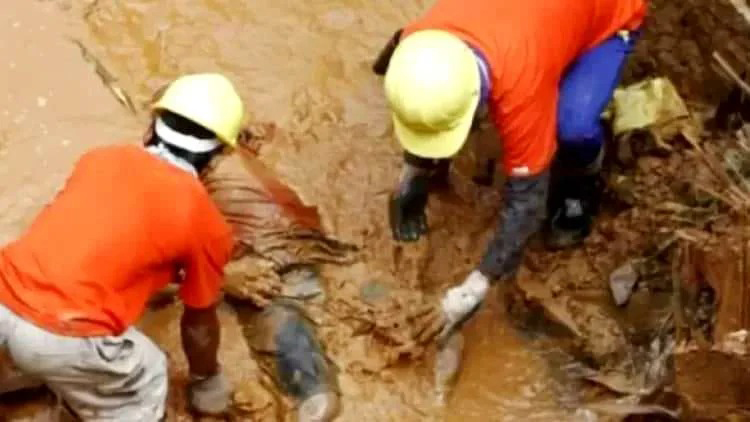

The Aboafohene of Konongo, Nana Gyasi, has attributed the death of an illegal miner to what he describes as a supernatural encounter with the area's river oracle, in a striking invocation of traditional beliefs in the ongoing battle against galamsey operations in Ghana's mining-prone regions.
According to the chief, the miner died after being "slapped to death" by the river oracle whilst attempting illegal mining activities in protected water bodies. Whilst the claim remains unverified and no official police or government statement has confirmed the circumstances of any such death, Nana Gyasi's remarks highlight the intersection of customary authority, environmental protection and local spirituality that characterises community responses to illegal mining across Ghana.
The Galamsey Crisis and Traditional Responses
Illegal mining, locally known as galamsey, continues to rank among Ghana's most pressing environmental crises. Rivers, forest reserves and arable land suffer severe degradation from unregulated mining operations that prioritise short-term profit over ecological sustainability. The Konongo area, like many communities across Ghana's mining regions, has borne the brunt of this destruction.
Rather than relying solely on government enforcement, traditional authorities have adopted multiple strategies to combat the menace. The Konongo Traditional Council has previously performed customary rites and ceremonies aimed at deterring illegal mining, whilst chiefs have issued repeated warnings to community members and migrant miners about the sacred nature of water bodies and forest lands.
Nana Gyasi's invocation of spiritual consequences represents one such cultural deterrent. By framing illegal mining as not merely environmentally destructive or legally prohibited, but as spiritually dangerous and disrespectful to ancestral traditions, the chief appeals to belief systems that carry real weight within many Ghanaian communities.
Why It Matters for Ghana
This incident underscores several critical issues facing Ghana's environmental and governance landscape. First, it reveals the continued reliance on traditional institutions to fill gaps in environmental enforcement where government capacity remains constrained. Second, it demonstrates how communities interpret and respond to environmental crises through cultural and spiritual frameworks, not merely legal ones.
For Ghana's broader development agenda, the persistence of galamsey remains deeply problematic. Illegal mining pollutes water sources that thousands depend on for drinking and agriculture, damages soil productivity, displaces communities and erodes Ghana's global environmental reputation. The government and security agencies have intensified crackdowns, yet enforcement remains uneven and often inadequate.
Traditional leaders occupying positions between community and state apparatus can either reinforce legal prohibitions or inadvertently undermine them. When chiefs invoke spiritual consequences, they may deter some miners—particularly those with deep community ties—but such messaging may also discourage victims or their families from reporting deaths or injuries to police, instead seeking resolution through customary channels.
Questions Remaining
As of reporting, neither the Ghana Police Service nor other state authorities have issued official statements confirming the death described by Nana Gyasi or its circumstances. This absence of verification is important: unconfirmed claims about deaths, even when made by respected traditional leaders, require independent investigation to establish facts and ensure justice if foul play occurred.
The chief's primary message—that illegal miners should respect protected water bodies and sacred sites—aligns with both environmental conservation and legal statutes. However, attributing deaths to spiritual forces rather than human agency or negligence risks obscuring accountability and deterring proper investigation of workplace deaths or crimes.
Nana Gyasi has urged residents and miners to support efforts protecting water bodies for future generations, a call that resonates across Ghana's environmental movement. Whether through spiritual warnings, legal enforcement or economic alternative livelihoods, addressing galamsey will require sustained commitment from multiple actors.
Source: The Ghana Report




Comments (0)
Be the first to comment.