
King Charles Calls Slave Trade 'Shameful' at CHOGM as Ghana's Mahama Attends Historic Summit
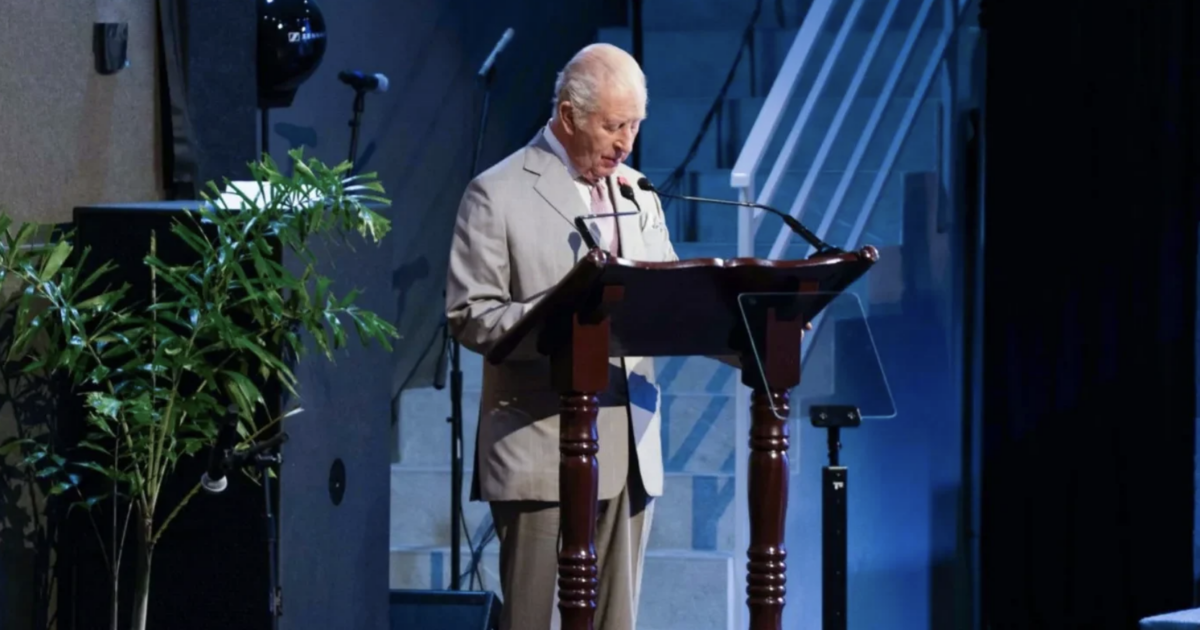

King Charles III has delivered an emotionally charged address at the opening of the Commonwealth Heads of Government Meeting (CHOGM) in St John's, Antigua and Barbuda, describing the transatlantic slave trade as a "shameful chapter of history" that fills him with "horror" and "the most profound personal sorrow." The remarks, made before leaders of 56 Commonwealth nations, signal a deepening royal acknowledgement of Britain's role in one of history's gravest atrocities — and they carry particular weight for African nations, including Ghana, whose people bore the brutal brunt of that trade.
What the King Said — and Why It Matters
Speaking on the theme of this year's CHOGM — "Accelerating Partnerships and Investment for a Prosperous Commonwealth" — King Charles did not shy away from the uncomfortable truths of history. He acknowledged that the transatlantic trade in enslaved persons still casts a long shadow over Caribbean islands and other Commonwealth members, and he called on member nations to draw lessons from the past rather than ignore them.
"We cannot change the actions of those who came before us. We can, however, learn from the past," the King told assembled heads of government. He added that the more he had listened and learned about these issues, the more committed he had become to finding meaningful ways to address historical wrongs through modern action.
The King stopped short of issuing a formal apology or making any specific commitment on reparations — a subject that continues to be a source of significant tension between Caribbean nations and the United Kingdom. Nevertheless, the language used was notably stronger than many previous royal statements on the matter, and advocates for reparatory justice are likely to scrutinise every word carefully.
Why It Matters for Ghana
Ghana's connection to this moment is profound and deeply personal. As one of the primary departure points for enslaved Africans during the transatlantic trade — with historical slave forts and castles lining its coast at places such as Cape Coast and Elmina — Ghana has long been at the forefront of calls for global recognition of the trade's crimes.
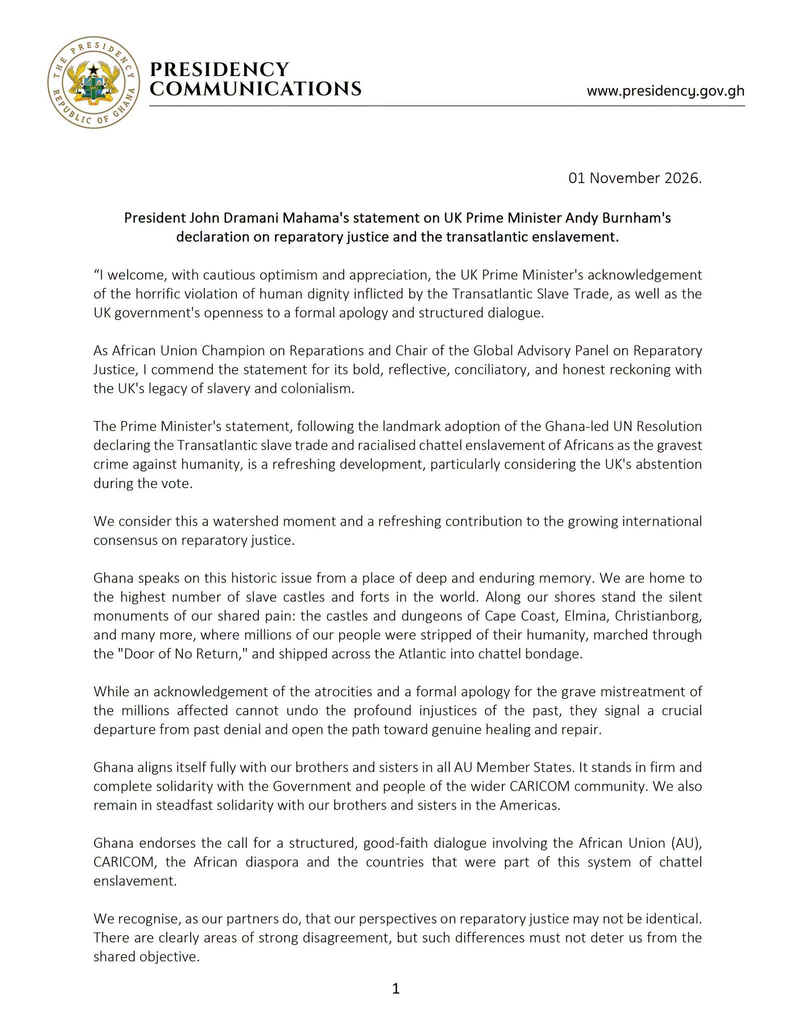
That recognition took a landmark step forward on 25th March 2026, when the United Nations General Assembly adopted Resolution A/RES/80/250, declaring the transatlantic trade in enslaved Africans and racialised chattel enslavement as "the gravest crime against humanity." Crucially, this resolution was spearheaded by Ghana's own President John Dramani Mahama and backed by the African Union and the Caribbean Community (CARICOM). It passed with an overwhelming 123 countries voting in favour — a historic diplomatic achievement for Accra on the world stage.
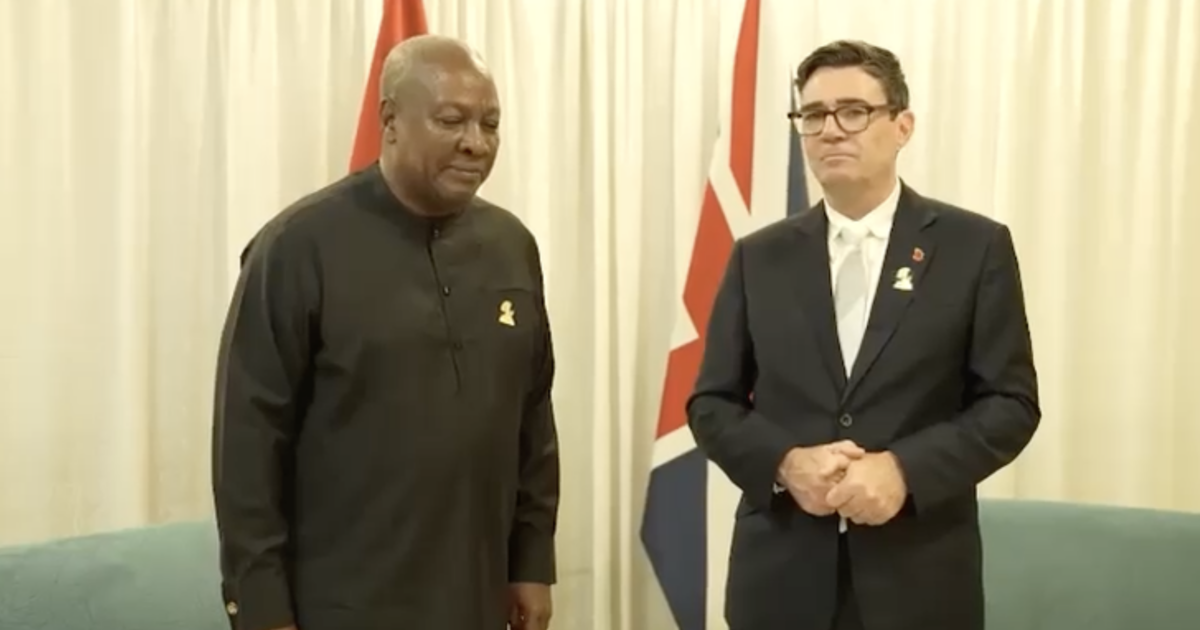
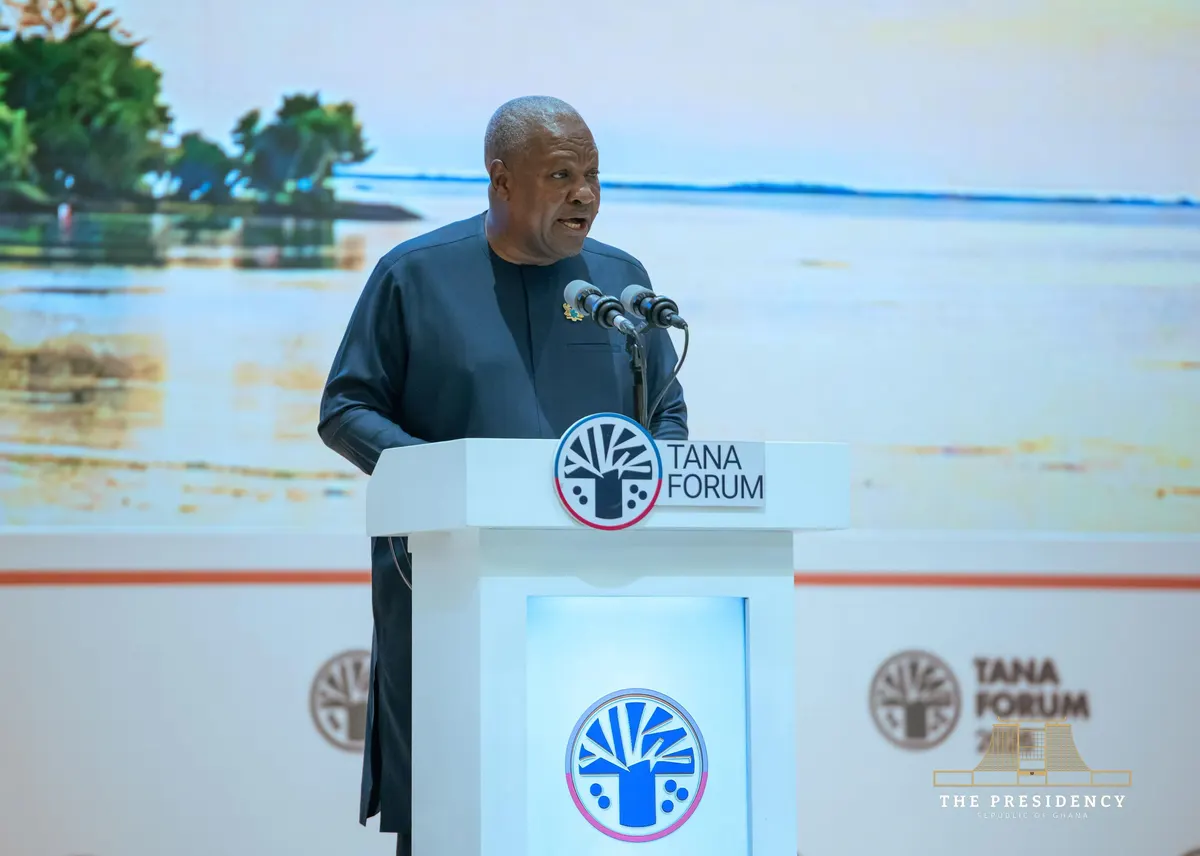
President Mahama is attending this year's CHOGM in person, making Ghana's presence at the summit both symbolically and diplomatically significant. The convergence of King Charles's remarks and Ghana's leading role in the UN resolution places Accra squarely at the centre of the global conversation on historical justice.
Climate Finance and Commonwealth Investment Also on the Agenda
Beyond the reckoning with history, King Charles used his address to push for urgent action on climate change — a topic equally pressing for Ghana and the broader African continent. He called for the mobilisation of climate finance through both the private and public sectors, and praised Commonwealth Secretary-General Madam Shirley Ayorkor Botchwey — herself a Ghanaian — for proposing a suite of nature and climate initiatives for consideration at the summit.
These proposals include a new Commonwealth Nature Initiative to restore habitats, a Commonwealth-backed mutual insurance mechanism to provide rapid disaster payouts, and a Commonwealth Net Zero Fund to give developing nations access to credit for renewable energy projects.
"If we mobilise climate finance through the private sector, and with the leveraging capacity of the public sector, we can drive investment into climate resilience," the King stated. For small island states and vulnerable developing nations — many of them in Africa and the Caribbean — these proposals could translate into tangible relief.
- Ghana played a leading role in the landmark 2026 UN resolution declaring the slave trade a crime against humanity.
- King Charles described the transatlantic slave trade as filling him with "horror" and "profound personal sorrow."
- Commonwealth Secretary-General Shirley Ayorkor Botchwey, a Ghanaian, proposed key climate and nature initiatives at the summit.
Source: MyJoyOnline

Comments (0)
Be the first to comment.