
Mahama Tables Five-Point Reparations Agenda as UK Shows Willingness to Apologise for Slavery
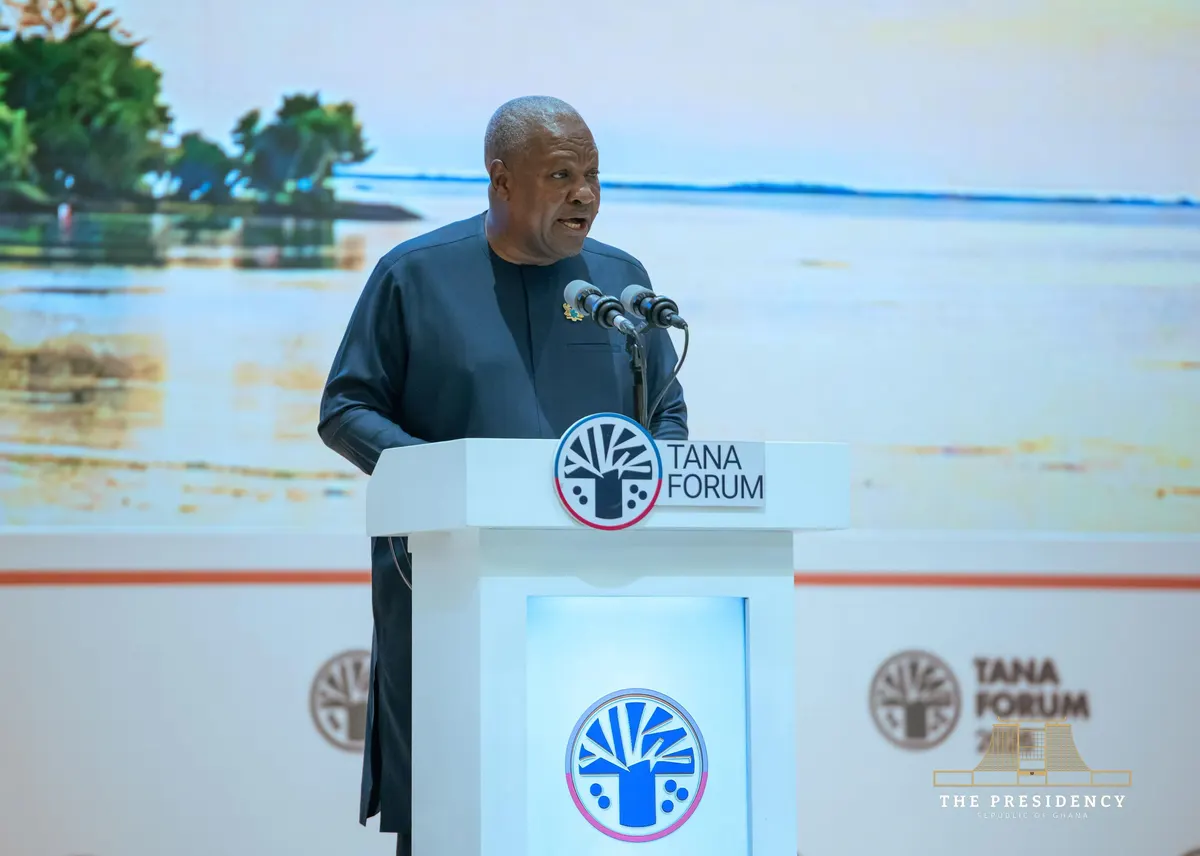

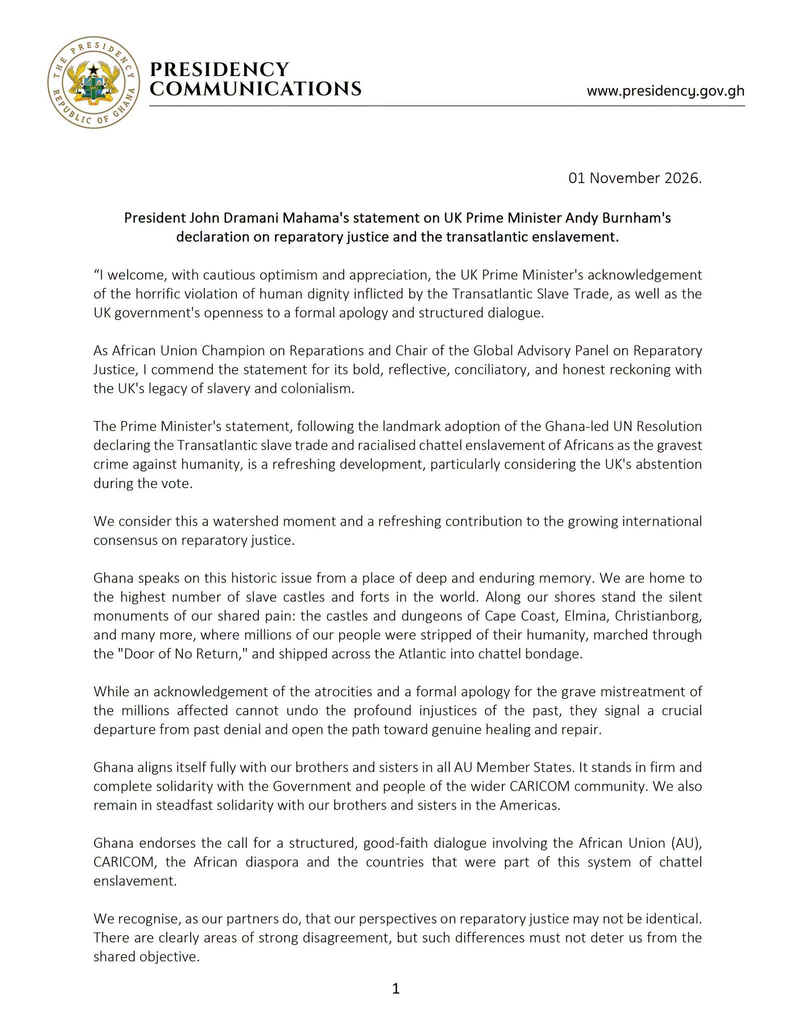
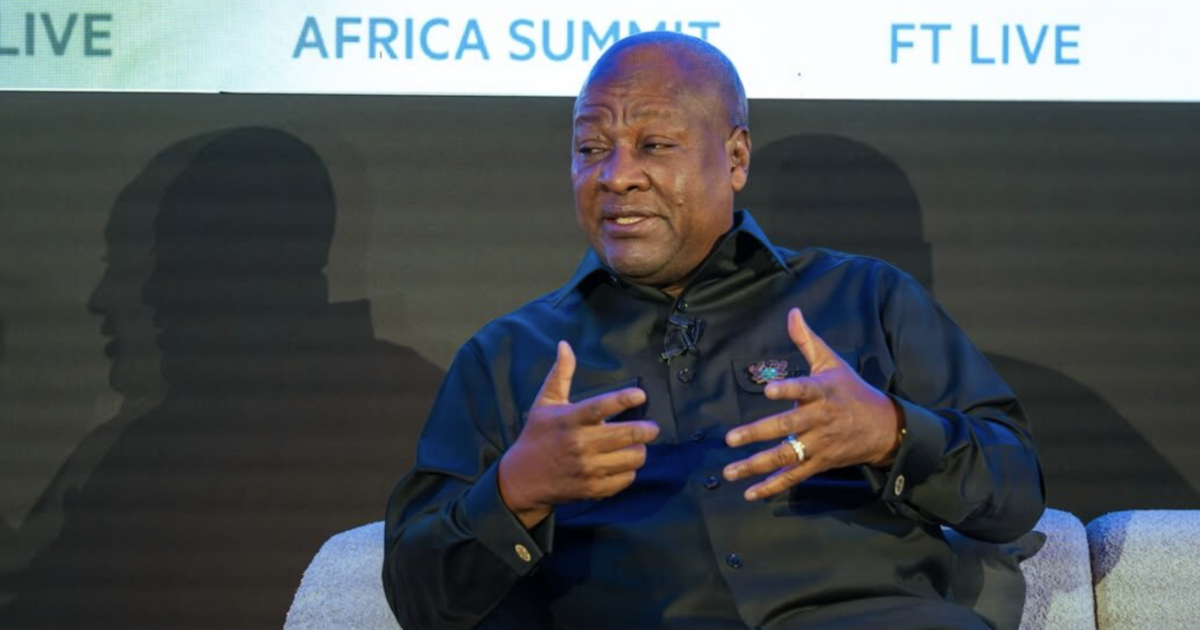
President John Mahama has taken a firm and structured stance in Ghana's push for reparative justice, presenting a five-point agenda to guide formal discussions with the United Kingdom after UK Prime Minister Andy Burnham signalled openness to an official apology for Britain's role in the transatlantic slave trade. The development marks a significant moment in what has long been an emotionally charged and politically complex conversation between African nations and their former colonial rulers.
The Five Priorities on the Table
President Mahama's five-point framework is designed to move reparations discussions beyond symbolic gestures and into concrete, actionable outcomes. The priorities reportedly include cultural restitution — the return of artefacts and treasures taken from Ghana and other African nations during the colonial era — as well as formal acknowledgement and apology for the slave trade and colonialism.
Beyond heritage and recognition, Mahama's agenda is understood to address economic reparations in the form of direct financial transfers or development financing, educational initiatives that properly document and teach the history of slavery and colonialism, and crucially, global debt reform — an issue that resonates deeply across the African continent, where many nations continue to service debts that critics argue are rooted in centuries of extracted wealth and structural economic disadvantage.
The inclusion of debt reform is particularly significant. Ghana itself has been navigating one of the most difficult debt restructuring processes in its recent history, having gone through an IMF-supported programme following its 2022 economic crisis. Mahama's framing of debt relief as a reparations issue reflects a broader African argument: that the continent's financial struggles cannot be separated from the historical plunder of its people and resources.
Why It Matters for Ghana
For Ghanaians, this conversation carries deep historical and emotional weight. Ghana — formerly the Gold Coast — was a central hub of the transatlantic slave trade, and sites such as Cape Coast Castle and Elmina Castle stand as stark physical reminders of that brutal history. These castles, now UNESCO World Heritage Sites, attract thousands of diaspora visitors annually, particularly through initiatives like the Year of Return and Beyond the Return, which have strengthened Ghana's identity as a spiritual home for the African diaspora.
The push for reparations also aligns with a wider pan-African movement gaining momentum globally. The CARICOM Reparations Commission has long been pressing Caribbean nations' case with European governments, and several African Union member states have been coordinating positions on how to approach former colonial powers collectively.
Ghana's leadership on this issue under Mahama could position the country as a key voice in shaping the terms of any multilateral reparations framework — giving Accra diplomatic relevance on a global stage at a time when the country is seeking to reassert its economic and political standing.
What Comes Next
While Prime Minister Burnham's openness to an apology is a notable development, observers caution that expressions of willingness do not automatically translate into government policy, particularly given the complex political landscape in the UK. Any formal reparations process would likely require broad parliamentary and public support, and there remains considerable debate within British political circles about the scope and form such measures should take.
Nevertheless, President Mahama's decision to enter these discussions with a clear, structured set of demands rather than vague calls for justice represents a strategic shift. By defining the terms upfront, Ghana is signalling that it expects substance, not just symbolism.
Civil society groups and historians in Ghana have broadly welcomed the move, with many emphasising that meaningful reparations must address present-day inequalities — not merely acknowledge past wrongs. Whether these talks lead to binding commitments remains to be seen, but Ghana has now made its position unmistakably clear.
Source: 3News

Comments (0)
Be the first to comment.