
Mahama receives honorary doctorate from Russian university, pledges deeper Ghana-Russia educational ties
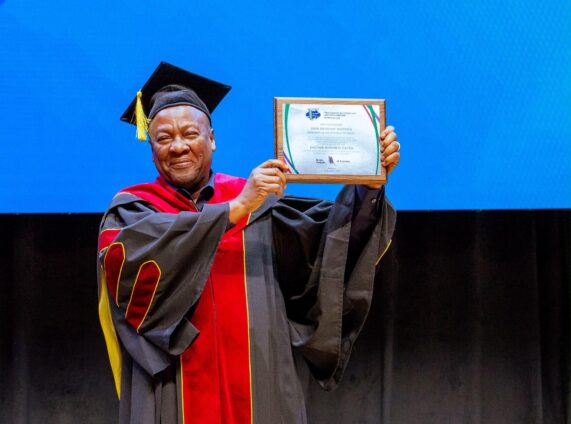

President John Mahama has been awarded an honorary doctorate by RUDN University in Moscow, marking a significant moment in Ghana's educational diplomacy with Russia. The honour, bestowed by the institution formerly known as Patrice Lumumba University, resonates deeply with Mahama's own academic history—he studied there as a postgraduate student nearly four decades ago, a connection that brought personal reflection to the occasion.
During his address at the university, Mahama enthusiastically endorsed RUDN's proposal to establish a Russian-African studies programme and extended an invitation for Ghana to participate actively in the initiative. He welcomed the prospect of Ghanaian students accessing specialised studies at the Moscow institution and expressed gratitude for the scholarships Russia has historically provided to Ghanaian academics.
Strengthening institutional partnerships
The President articulated a vision for deeper collaboration between Ghanaian and Russian universities, proposing expanded student and faculty exchanges alongside joint research initiatives. He identified critical fields for partnership, including engineering, medicine and energy—sectors directly aligned with Ghana's development priorities and economic diversification agenda.
Mahama emphasised that university education must transcend theoretical knowledge, arguing that graduates should possess both the critical thinking skills to challenge conventional wisdom and the practical problem-solving abilities demanded by real-world challenges. This perspective reflects ongoing debates within Ghana's education sector about balancing academic rigour with vocational relevance.
Why it matters for Ghana
This diplomatic engagement holds multiple implications for Ghana. First, it reinforces Ghana's position within Pan-African and international academic networks at a time when African nations are actively diversifying their educational partnerships beyond traditional Western institutions. Russia's historical investment in African higher education—particularly through RUDN—has produced generations of African professionals who have contributed significantly to their home countries' development.
Second, the initiative addresses a persistent challenge in Ghana's higher education landscape: access to quality specialised training, particularly in technical and scientific fields. Partnership agreements could create pathways for Ghanaian students to access expertise and resources that complement domestic capacity, potentially reducing brain drain by offering advanced training opportunities without requiring permanent relocation.
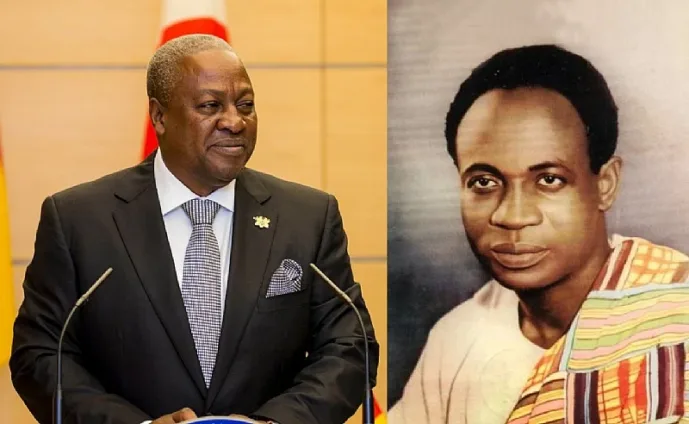
Third, Mahama's invocation of historical Pan-African figures—Kwame Nkrumah and Patrice Lumumba—signals Ghana's commitment to honouring the intellectual and political legacies that shaped post-colonial Africa. He framed contemporary African leadership as having a responsibility to translate those foundational ideals of dignity and sovereignty into tangible improvements in education quality, institutional strength and youth opportunity.
Education at the heart of development
Throughout his remarks, Mahama positioned education as central to Ghana's development trajectory. He stressed the importance of expanding educational access whilst maintaining quality standards—a balance Ghana's government has struggled to achieve amid rapid population growth and limited public funding. International partnerships, particularly through scholarship programmes and institutional collaboration, represent one mechanism for addressing this constraint.
The President's counsel to students—to embrace diverse perspectives, pursue integrity and recognise that academic credentials carry a duty to serve others—also reflects broader themes in Ghana's national discourse around professional ethics and accountability, concerns that have gained prominence in recent years.
As Ghana continues to navigate economic challenges and seeks to position itself as a knowledge-based economy, strengthening educational ties with institutions like RUDN offers practical benefits whilst reinforcing the country's place within global academic networks. The initiative suggests a deliberate strategy to deepen engagement beyond traditional Western partnerships.
Source: Today GH



Comments (0)
Be the first to comment.