
JCB's Ghana push signals major boost for mining and construction skills – here's what it means for jobs
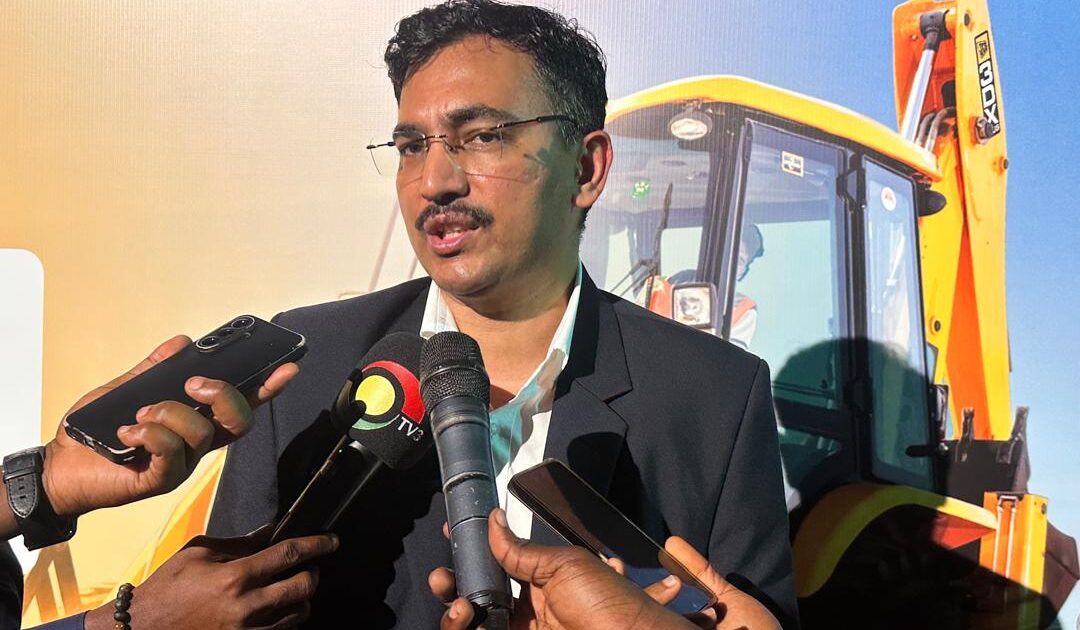
A significant development in Ghana's industrial sector is underway as JCB, the global construction equipment manufacturer, has officially launched its authorised distribution operations in the country. The move represents more than just a commercial expansion – it signals serious investment in building Ghana's technical workforce as mining and construction activity accelerates.
The announcement comes amid growing recognition that Ghana's industrial growth depends on more than imported machinery. Companies entering the market are increasingly recognising that sustainable development requires parallel investment in local skills and expertise.
Skills training as the centrepiece
Rather than limiting operations to machinery sales, JCB's approach prioritises developing Ghana's workforce. Senok West Africa Ltd, the authorized distributor, has committed to training mechanics and equipment operators to service and operate heavy machinery locally. This reflects a strategic shift in how international industrial firms view emerging markets – not merely as sales outlets, but as partners requiring capacity building.
The company has already demonstrated this model in East Africa, where it has trained over 5,000 technicians. Ghana's mining and construction sectors – which currently drive much of the country's economic growth – stand to benefit significantly from this technical transfer. As industrial projects expand, the ability to maintain and operate equipment locally becomes critical to project timelines and costs.
For Ghanaian workers, the initiative creates pathways into skilled technical roles that typically command higher wages and greater job security than general labour. As mechanisation increases across construction and mining sites, demand for trained operators and maintenance specialists will only grow.
Why it matters for Ghana
Ghana's mining sector has long been a cornerstone of the economy, whilst construction activity continues to surge alongside urbanisation and infrastructure development. However, these sectors have historically relied heavily on foreign technicians for equipment maintenance and operation – an expensive and inefficient model that limits local employment opportunities and keeps expertise outside the country.
This structural weakness has several consequences. Project costs rise due to reliance on expatriate specialists, skills never fully transfer to the local workforce, and Ghana misses opportunities to build a competitive advantage in industrial services. Young Ghanaians seeking technical careers often migrate abroad or settle for lower-skilled roles.
JCB's commitment to workforce development suggests international investors increasingly understand that Ghana's long-term value lies in creating a locally capable industrial ecosystem. When machinery distributors invest in training, they create ripple effects across the economy – trained technicians can establish independent service businesses, mentor others, and contribute to Ghana's technical reputation regionally.
The timing is also significant. As Ghana's economy navigates various challenges, sectors like mining and construction remain relatively robust. Investments that upgrade these sectors' technical capacity could help sustain employment and economic activity during uncertain periods.
Seizing the opportunity
For the arrangement to reach its full potential, Ghana will need supportive conditions. Technical training programmes must align with industry standards, vocational institutions should partner with companies like JCB, and young Ghanaians need clear information about these career pathways. Government policy supporting skills development in priority sectors will also be crucial.
The JCB launch demonstrates that investor interest in Ghana extends beyond quick profits – some firms recognise that building local capability strengthens their own long-term operations. Whether this model becomes standard practice across Ghana's industrial sectors may depend on how successfully these initial training initiatives develop and how visible their results become to other international players.
Source: MyJoyOnline




Comments (0)
Be the first to comment.