Interior Minister Muntaka Pledges Independence in Drug War Despite Political Interference
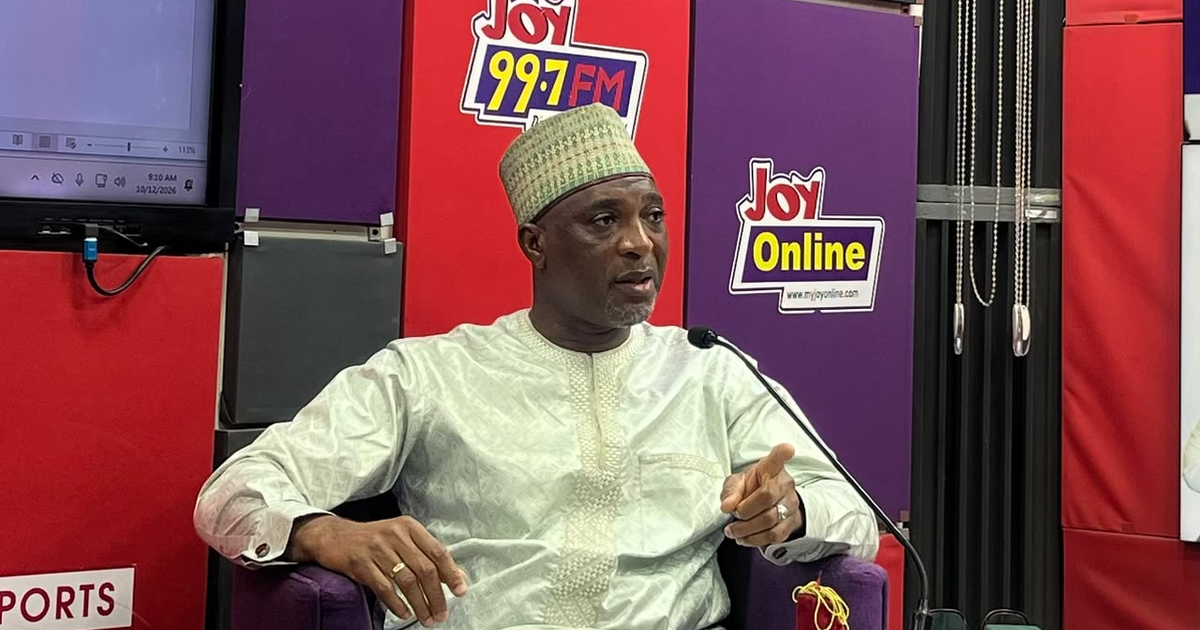
Interior Minister Mubarak Mohammed Muntaka has committed to an uncompromising stance in prosecuting drug-related offences, declaring that his ministry will not buckle under political pressure to drop cases or shield suspects from prosecution. Speaking on Joy FM's Super Morning Show on Monday, 12 October, Muntaka outlined a resolute approach to tackling illicit drug operations in Ghana, emphasising that evidence and the courts—not political influence—will determine the fate of accused individuals.
The minister acknowledged receiving calls from politically connected figures seeking intervention in drug cases, but made clear such requests will be declined. "For us, crime is a crime. We do not care who is involved; once we get the person, we will prepare our evidence and ask you to meet us in court," Muntaka stated, signalling that prosecution will proceed regardless of a suspect's connections or status.
A Multi-Agency Operation Targeting Drug Kingpins
Muntaka's remarks underline a coordinated effort across Ghana's security and law enforcement agencies to dismantle organised drug trafficking networks. The minister revealed that a primary focus is identifying and apprehending the major players directing illicit drug operations—the so-called kingpins whose removal could significantly disrupt the trade. He acknowledged the difficulty of this task but expressed confidence in ongoing investigative work designed to root out these top-level operators.
The commitment extends to tackling drug cultivation and trafficking comprehensively. Muntaka made clear that suspects will be processed through Ghana's established legal system, with evidence presented in court for judicial review. Should courts find the state's case insufficient, they will be free to rule accordingly; the point, he stressed, is that political connections or influence will never determine outcomes before a case reaches the bench.
Why It Matters for Ghana
Muntaka's pledge addresses a persistent challenge in Ghana's fight against narcotics: the perception and reality that drug suspects—particularly those with wealth or political ties—can evade justice through back-channel arrangements. This undermines public confidence in law enforcement and allows trafficking networks to operate with relative impunity.
Ghana faces mounting pressure from drug trafficking organisations seeking West African distribution hubs. The country's ports, airports and land borders have become focal points for trafficking rings moving cocaine, heroin and synthetic drugs. When high-profile arrests collapse or suspects disappear after capture, it signals weakness in the system and emboldens traffickers. Muntaka's insistence on prosecuting cases on their merits, regardless of political pressure, is therefore a necessary signal to both the public and criminal networks that the state takes narcotics crimes seriously.
The minister also appealed directly to Ghana's political class to support—rather than obstruct—anti-drug efforts. This suggests ongoing tensions between law enforcement and politicians keen to protect allies or constituents implicated in trafficking. By publicly framing this as a national priority that transcends party politics, Muntaka is attempting to reframe drug prosecution as a matter of state security rather than partisan advantage.
However, the credibility of such pledges ultimately depends on enforcement. Ghanaians will be watching whether high-profile drug cases result in convictions or whether suspects continue to evade prosecution through channels Muntaka now claims to have closed.
Source: MyJoyOnline

Comments (0)
Be the first to comment.