
How Africa Is Being Trained to Fight Diabetes — One Specialist at a Time


Diabetes is fast becoming one of Africa's most urgent public health challenges, and Ghana is no exception. Millions of people across the continent — many of them in rural communities far from well-equipped hospitals — are living with the condition without ever receiving a proper diagnosis, let alone specialist care. On World Diabetes Day, it is worth examining one of the more ambitious programmes working to change that reality across Africa and Asia.
Nearly 1,000 Specialists Trained Across 52 Countries
The Merck Foundation's Diabetes and Hypertension Blue Points Programme has now awarded more than 970 scholarships to healthcare providers drawn from 52 countries, including several across sub-Saharan Africa. Each scholarship — visualised as a blue point on a map — represents a trained professional returning to their community equipped with specialist knowledge in areas such as diabetes management, endocrinology, cardiology, obesity and clinical nutrition.
The programme offers three distinct pathways: one-year online postgraduate diplomas, two-year master's degrees, and one-year onsite clinical fellowships. The design is deliberately flexible, recognising that healthcare workers in low-resource settings cannot always leave their posts or communities for extended periods. The stated ambition is to eventually turn entire countries blue — meaning a fully trained network of specialists accessible not just in capital cities, but in districts, towns and villages where the burden of disease is often heaviest and medical expertise thinnest.
Merck Foundation works alongside First Ladies from across Africa and Asia, Ministries of Health, medical societies and academic institutions to anchor the programme in local realities. These partnerships are intended to ensure that training opportunities align with the genuine gaps each country faces in its healthcare workforce.
Why It Matters for Ghana
Ghana faces a significant and growing diabetes burden. The International Diabetes Federation has consistently flagged sub-Saharan Africa as a region where the majority of people living with diabetes remain undiagnosed — many only presenting to health facilities once serious complications such as kidney failure, blindness or limb amputation have already set in. In Ghana, access to endocrinologists and diabetes specialists is heavily concentrated in Accra and a handful of regional capitals, leaving communities in the Northern, Savannah, Volta and other regions severely underserved.
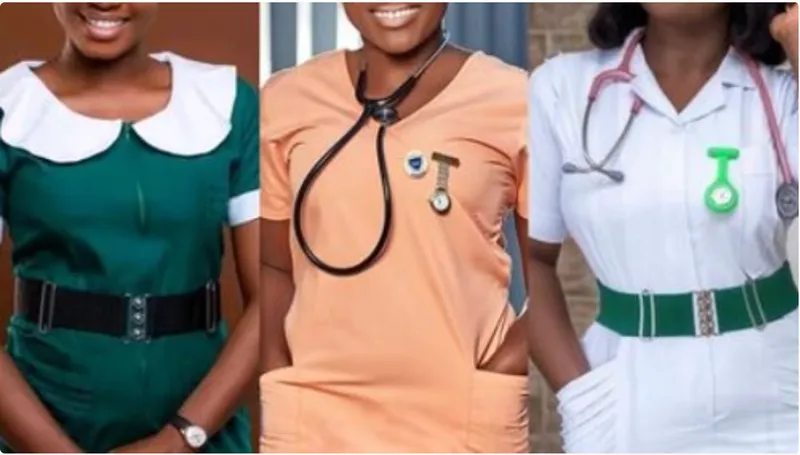
Programmes like the Blue Points initiative directly address this structural gap. By training mid-level and primary healthcare workers — nurses, general practitioners, community health officers — to identify diabetes risk early and manage it competently, the aim is to shift the point of care closer to where patients actually live. Early detection and lifestyle intervention can prevent or delay the most costly and debilitating complications, reducing pressure on already stretched district and regional hospitals.
Ghana's National Health Insurance Scheme covers some diabetes-related services, but the system remains dependent on a workforce that is not always adequately trained in chronic disease management. Specialist scholarships of the kind offered by Merck Foundation represent a practical, low-cost route to building that capacity without waiting for wholesale structural reform.
Reaching Beyond the Clinic
The programme does not rely solely on training healthcare providers. Merck Foundation has invested in community awareness through music, children's animation, television and media training. Songs such as "No More Sugar" and "Life Is Sweeter Without Sugar", along with animated films adapted from storybooks including "Sugar-Free Jude" and "Mark's Pressure", are designed to bring diabetes and hypertension messaging into households and schools in a format that resonates across age groups and literacy levels.
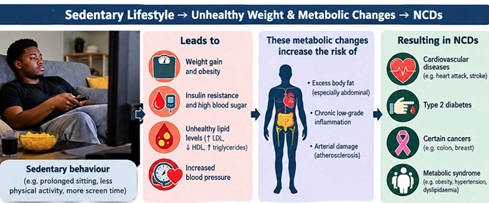
The logic is straightforward: even a brilliantly trained specialist cannot deliver impact if people in their community do not understand why screening matters, what symptoms to watch for, or how daily habits — diet, physical activity, weight management — shape their long-term health. Media professionals and creative artists are trained and incentivised through awards to communicate health messages responsibly and accessibly.
Taken together, the Merck Foundation model offers a template worth watching closely. As Ghana and its neighbours grapple with a rising tide of non-communicable diseases, the combination of workforce training, institutional partnerships and community-level communication offers a coherent, if still incomplete, response to one of the continent's most pressing health emergencies.
Source: The Ghanaian Times



Comments (0)
Be the first to comment.