
Government Commits GH¢661 Million to Nursing and Teacher Trainee Allowances in 2027 Budget
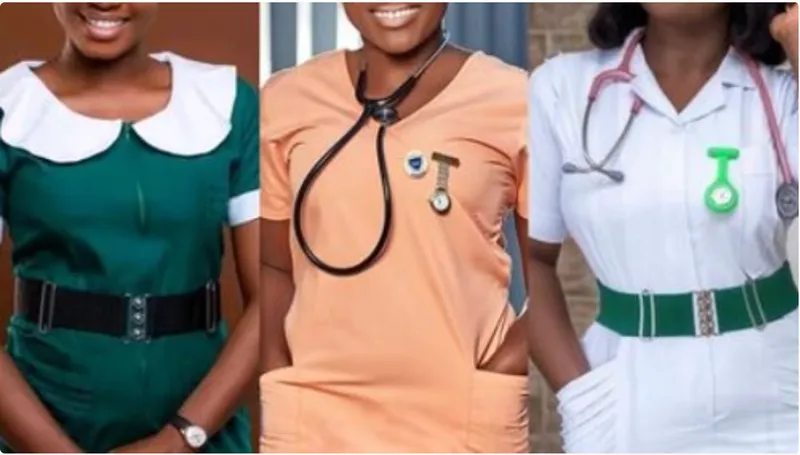

Ghana's government has set aside a combined GH¢661 million in the 2027 Budget to fund allowances for nursing and teacher trainees, signalling a continued commitment to investing in the country's future healthcare and education workforce. The allocation represents a significant financial pledge at a time when the cost of living continues to squeeze students and their families across the country.
Breaking down the figures
Of the total GH¢661 million earmarked for trainee allowances, nursing trainees will receive the larger share — GH¢434 million — reflecting the high number of students enrolled in nursing training programmes nationwide. Teacher trainees will benefit from GH¢227 million, providing financial relief to thousands of young Ghanaians pursuing careers in education.
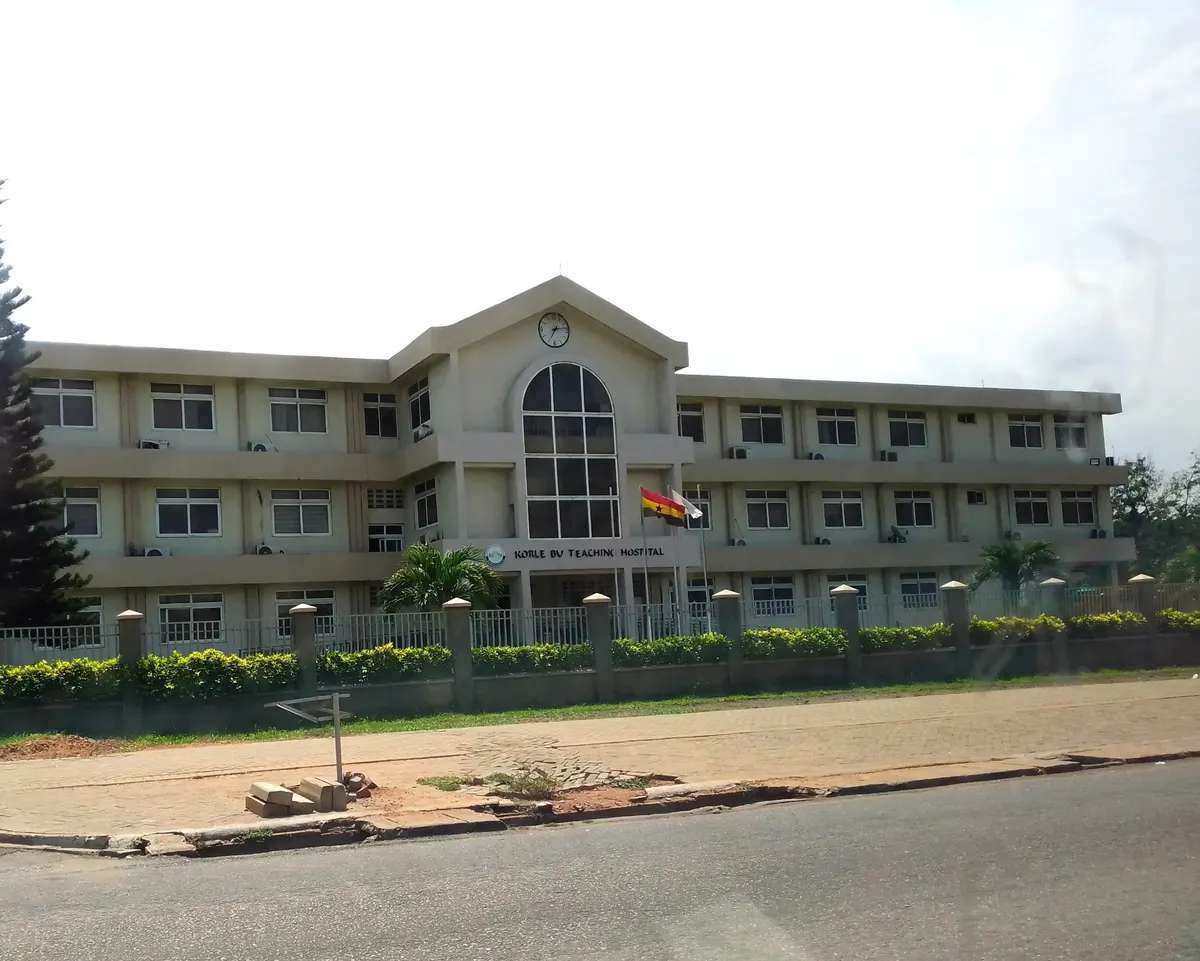
Beyond the allowances, the budget also includes GH¢40 million dedicated to the construction of two new nursing colleges. This infrastructure investment is intended to expand training capacity and help Ghana produce more qualified nurses to serve a growing population with increasingly complex health needs.
Why it matters for Ghana
The trainee allowance scheme has had a turbulent history in Ghana. The allowances were scrapped under a previous administration, triggering widespread protests from students and unions who argued the move placed an unfair burden on young people from low-income backgrounds who had chosen to serve in critical public sectors. The allowances were subsequently restored, and their continued inclusion — and apparent growth — in national budgets reflects how politically and socially significant this issue remains.
For nursing trainees in particular, the financial support can be the difference between completing training and dropping out. Ghana has long grappled with a shortage of nurses, a problem made worse by emigration as trained professionals seek better wages and conditions abroad — a phenomenon commonly referred to as the brain drain. Investing in training pipelines is widely seen by health policy experts as one part of a broader strategy to address workforce gaps in the public health system.
Similarly, the teacher trainee allowance supports the pipeline of educators entering Ghana's basic and secondary school system. Rural and deprived communities, which often struggle to attract and retain teachers, stand to benefit the most when trained educators are financially supported through their studies and subsequently deployed across the country.
What this means going forward
The allocation of GH¢40 million for two new nursing colleges is particularly noteworthy. Expanding physical infrastructure for nursing education suggests that the government is not only trying to maintain current trainee numbers but is planning to increase enrolment capacity in the medium to long term. If the colleges are sited strategically — particularly in regions currently underserved by training institutions — they could have a meaningful impact on regional equity in healthcare training.
However, advocacy groups and education stakeholders have in the past raised concerns about whether budgeted amounts are fully disbursed and whether allowance payments reach trainees on time. Delays in payment have previously caused hardship and even protests at training institutions. As the 2027 Budget moves through parliamentary processes, scrutiny will likely focus not just on the figures announced but on the mechanisms in place to ensure timely and transparent disbursement.
For now, the headline numbers offer a measure of reassurance to the tens of thousands of young Ghanaians currently in nursing and teacher training programmes that government support for their chosen paths remains firmly on the table.
Source: 3News

-1200x900.webp)

Comments (0)
Be the first to comment.