
Ghana's 2027 Budget Sets Aside GH¢40.3 Billion for Health — Here's What It Means for Patients
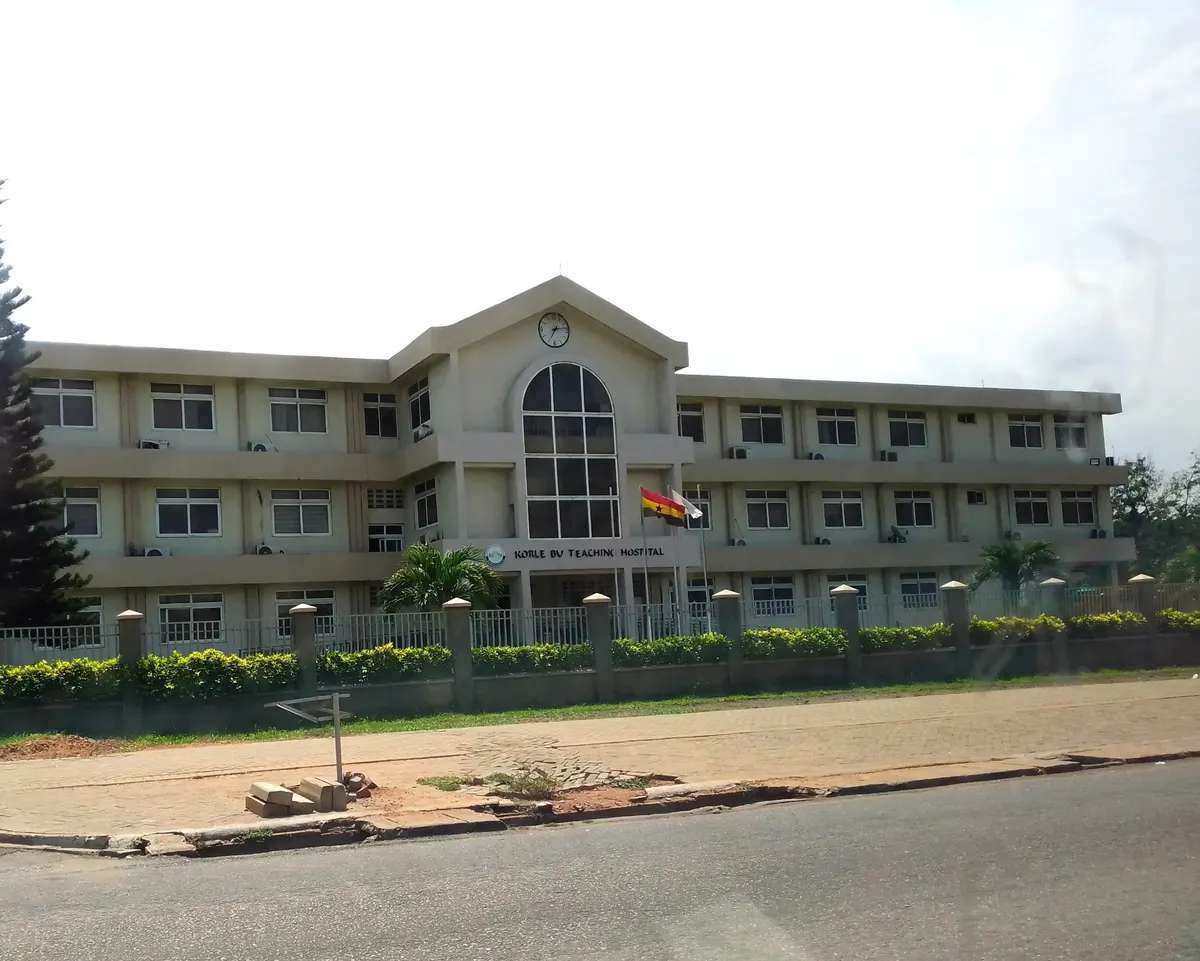

Ghana's government has earmarked GH¢40.3 billion for the health sector in the 2027 Budget, one of the most ambitious healthcare spending plans in recent memory. The allocation covers a wide range of infrastructure and service delivery projects, including a brand-new mother and child centre at Korle-Bu Teaching Hospital, the construction of six regional hospitals, continued work under the Agenda 111 hospital programme, and GH¢200 million dedicated to expanding the country's ambulance fleet.
What is being built and where
Among the headline announcements is a new mother and child centre at Korle-Bu Teaching Hospital, Ghana's premier referral hospital located in Accra. The facility is expected to significantly boost specialist maternal and paediatric care at an institution that already serves patients from across the country and beyond Ghana's borders.
Six new regional hospitals are also planned under the budget, reinforcing the government's stated commitment to bringing quality healthcare closer to Ghanaians who currently travel long distances to access secondary and tertiary services. These hospitals are expected to ease the chronic overcrowding seen at major urban facilities.
The Agenda 111 programme — launched to construct district and regional hospitals in underserved areas — will also receive continued funding. The programme has faced delays and financing challenges since its inception, so fresh budgetary support will be closely watched by communities that have been waiting years for promised facilities to be completed.
On emergency response, GH¢200 million has been set aside for ambulances. Ghana's ambulance service has long been stretched thin, with many districts lacking reliable emergency transport. This injection of funds, if well managed, could meaningfully reduce preventable deaths caused by delayed emergency response.
Why it matters for Ghana
Ghana's public health system faces deeply structural challenges — inadequate infrastructure, an overstretched workforce, persistent financing gaps, and significant inequality between urban and rural access to care. The scale of this budget allocation signals a recognition at the highest levels of government that health investment can no longer be treated as secondary to economic concerns.
Maternal and child health remains a particular pressure point. Ghana has made progress in reducing maternal mortality over the decades, but rates remain high by global standards, and the burden falls disproportionately on women in rural and peri-urban areas. A dedicated mother and child centre at Korle-Bu, properly resourced, could serve as both a treatment hub and a training centre for the next generation of specialists.
The ambulance funding is equally significant. Emergency obstetric care, trauma response, and the management of sudden illness all depend on patients reaching facilities in time. Many Ghanaians have lost loved ones not because treatment was unavailable at a hospital, but because there was no reliable way to get there quickly.
That said, Ghanaians will rightly scrutinise how this money is spent. Large health budget lines in past years have sometimes been absorbed by procurement inefficiencies, stalled contracts, or administrative costs rather than tangible improvements on the ground. Civil society and parliamentary oversight will be critical to ensuring this allocation delivers real results.
The bigger picture
- Korle-Bu Teaching Hospital is the largest hospital in Ghana and one of the largest in West Africa, making improvements there a matter of national significance.
- The Agenda 111 programme was designed to give every district in Ghana access to a hospital, addressing one of the country's longest-standing health equity challenges.
- Ghana's National Ambulance Service has historically struggled with vehicle shortages, maintenance costs, and coverage gaps, particularly in the northern regions and rural belts.
As the budget moves through parliamentary debate, health advocates, medical professionals, and ordinary Ghanaians will be watching closely to see whether these commitments translate into groundbreakings, completed wards, and ambulances on the road — rather than remaining line items on a spreadsheet.
Source: 3News

-1200x900.webp)

Comments (0)
Be the first to comment.