
High Court Dismisses Afenyo-Markin's ¢15m Defamation Case Against Gold Board CEO Over Procedural Flaws

Ghana's High Court has ended Minority Leader Alexander Afenyo-Markin's GH¢15 million defamation case against Sammy Gyamfi, Chief Executive Officer of the Ghana Gold Board, ruling that the legal action was procedurally flawed and could not properly invoke the court's jurisdiction.
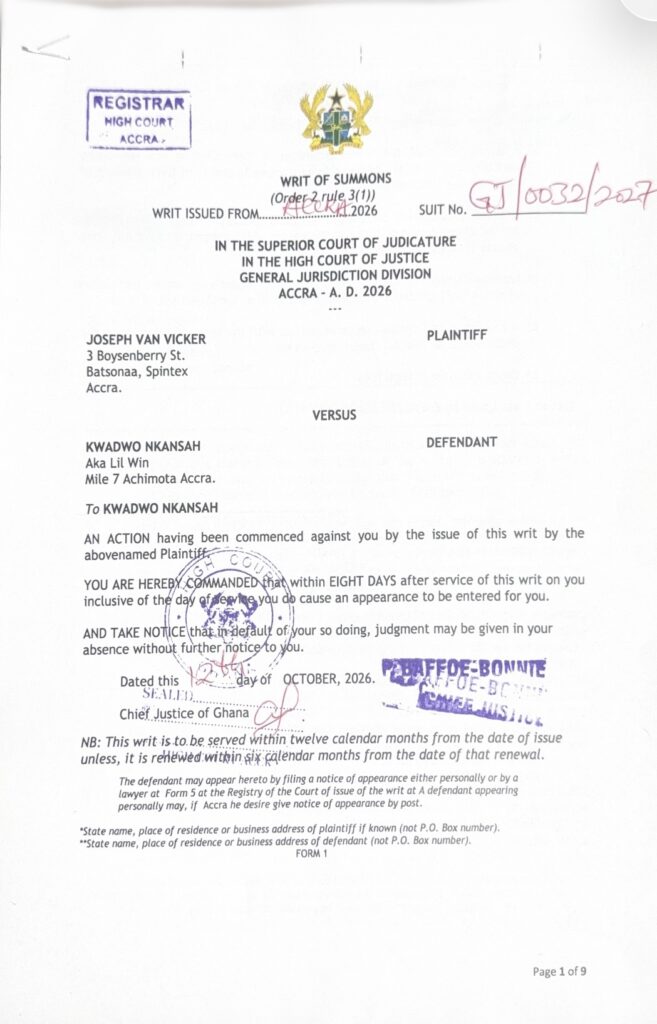
The General Jurisdiction 1 division determined the writ was incurably defective and incompetent, effectively shutting down the proceedings without examining the substance of the defamation allegations themselves. The court grounded its decision on established case law, drawing on precedent from Coleman v Newmont regarding applicable procedural rules and Owusu Domena on the timely raising of jurisdictional objections.
Background to the Legal Dispute
Afenyo-Markin initiated the legal action in August 2024, announcing it directly from the parliamentary chamber after allegations of extortion were levelled against him during a controversy involving the Ghana Gold Board and the Bank of Ghana's Domestic Gold Purchase Programme. The Minority Leader contended that the allegations were entirely false and designed to undermine his reputation and standing.
The case initially named both Sammy Gyamfi and Multimedia Group Limited as defendants, suggesting the defamatory statements had been published through media channels. This multi-party structure reflected the Minority Leader's view that the allegations had been deliberately amplified through public communication.
Service of Process and Procedural Complications
A significant point of contention emerged over how the court documents were properly delivered to the respondents. Gyamfi's legal representatives at Ayine & Partners accepted service of the writ on his behalf, suggesting acknowledgement of the proceedings. However, Afenyo-Markin's lawyers later stated that service had been completed and disputed suggestions that their client was attempting to evade proper notification of the lawsuit.
This disagreement over procedural compliance ultimately became decisive. Rather than proceeding to trial where the veracity of the extortion allegations would be examined, the court found that fundamental defects in how the case was initiated prevented it from moving forward at all.
Why It Matters for Ghana
This dismissal carries implications for Ghana's political discourse and legal framework around defamation. The case highlights how procedural requirements in civil litigation can determine outcomes independently of the substantive merits of the claims involved. For politicians and public figures, the ruling underscores the importance of meticulous legal preparation when pursuing defamation suits—a common recourse when reputations are publicly challenged.
The Gold Board controversy and the allegations surrounding Afenyo-Markin remain unresolved on their factual basis. While the court's decision prevents this particular lawsuit from proceeding, it leaves unanswered questions about the original extortion allegations that prompted the legal action. The ruling also reflects the courts' strict application of procedural law, which can be either protective of legal formalities or frustrating to complainants seeking substantive justice.
For Ghana's legal community and Parliament, the case serves as a reminder of how technical defects in pleadings can derail litigation, regardless of the genuine disputes underlying such cases. The political and reputational dimensions of the original allegations remain relevant to public discourse, even as the formal legal remedy has been foreclosed.
Source: Today GH



Comments (0)
Be the first to comment.