
Government Clarifies it Won't Fund National Cathedral from State Budget, Minister Confirms
-1200x800.webp)

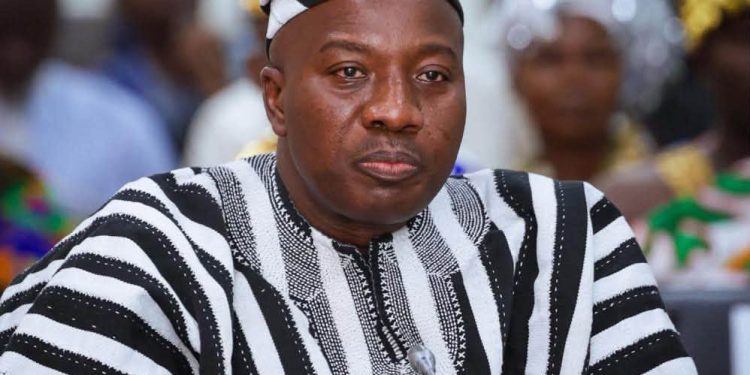
Ghana's government has made clear that state resources will not be channelled towards financing the National Cathedral project, according to the Minister of Religious Affairs. The announcement addresses longstanding concerns from Ghanaians about whether taxpayer money would support the ambitious religious construction initiative.
The minister acknowledged that government recognises the significance of the cathedral as a national project but stressed that its financing model must not depend on public funds or burden Ghana's already-stretched state budget. This position reflects sensitivity to public opinion, with many Ghanaians questioning whether scarce government resources should be allocated to the project when critical sectors like healthcare, education and infrastructure remain underfunded.
The National Cathedral Controversy
The National Cathedral has been a source of debate since its inception. Proposed as a multi-purpose facility in Accra, the project has faced multiple delays and shifting funding models. Initial plans outlined a structure combining religious, cultural and commercial purposes, with estimates suggesting substantial construction costs.
Beyond financial concerns, the project has drawn scrutiny over land use, environmental impact and whether government involvement in funding a religious structure aligns with Ghana's secular constitution. Some civil society groups have questioned the transparency of funding sources and project management, demanding clearer accountability measures.
Why It Matters for Ghana
This clarification carries significant weight in Ghana's current economic context. The country has faced fiscal pressures, including a recent IMF bailout programme, making government spending decisions particularly contentious. Citizens have grown increasingly vocal about budget priorities, especially when major expenditures appear disconnected from immediate national needs.
The minister's statement suggests the government intends to pursue alternative funding models—likely through private donations, religious organisations and international contributors rather than the consolidated fund. This approach theoretically shields public finances whilst still allowing the project to proceed if sufficient private support materialises.
For religious communities, the distinction is important. Many denominations view the cathedral as a unifying symbol for Ghana's Christian faith, making private funding potentially more meaningful than state support. However, the project's viability depends entirely on securing adequate private resources, which remains uncertain.
The decision also reflects broader debates about development priorities in Ghana. As citizens weigh the cathedral's cultural and spiritual value against pressing needs in healthcare, education and job creation, government's withdrawal from direct funding may be seen as pragmatic fiscal management or as abandonment of a symbolic national project, depending on one's perspective.
Going forward, attention will focus on whether the private sector and religious institutions can successfully finance the cathedral independently, and whether government will provide any indirect support through land, permits or infrastructure services.
Source: 3News



Comments (0)
Be the first to comment.