Government clarifies Adamus Resources lease revocation is not sale—assets to remain under state control

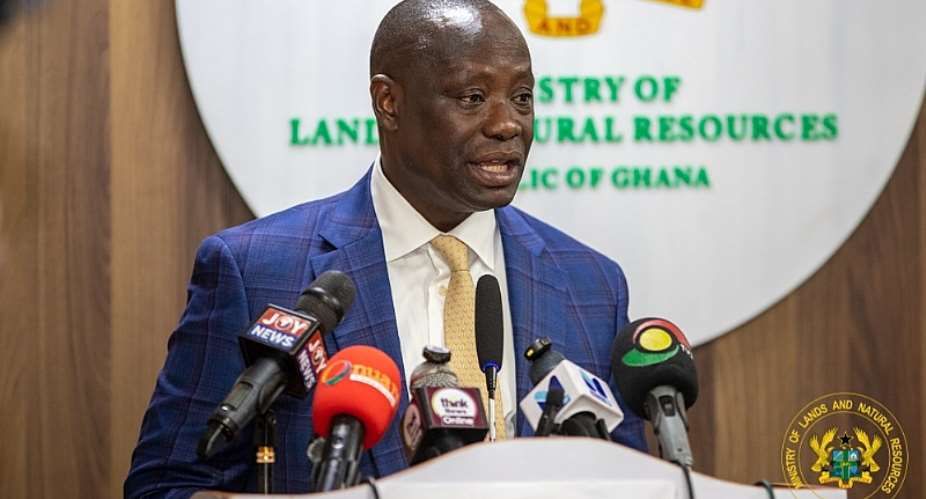
The Ministry of Lands and Natural Resources has moved to quash rumours circulating in public discourse that suggest the government is preparing to sell Adamus Resources Limited following the revocation of its lease. In a statement clarifying its position, the ministry emphasised that the company's assets are not for sale and will remain under state control.
The clarification was deemed necessary after reports and commentary across media and social platforms created the impression that the lease revocation was a prelude to transferring the company to private hands or another entity. The ministry's intervention signals a deliberate effort to manage public perception around the decision and reassure stakeholders about the government's intentions.
What prompted the clarification
The revocation of Adamus Resources Limited's lease has been a subject of significant public attention, with various interpretations emerging about the government's next steps. The company, which operates in Ghana's natural resources sector, saw its operational lease cancelled, sparking speculation about privatisation or asset sales. The ministry's statement directly addresses these claims, asserting that no such transaction is contemplated.
This type of clarification is common in cases where government decisions affecting major companies generate uncertainty in the marketplace and public sphere. By explicitly denying sale plans, the ministry aims to provide clarity to employees, investors, and the general public about the status and future of the company under state ownership.
Why it matters for Ghana
The status of state-owned enterprises and natural resource companies is a matter of public interest in Ghana, particularly given the nation's dependence on revenue from sectors like mining and forestry. When major companies in these sectors undergo operational changes—such as lease revocations—Ghanaians rightly want to understand the implications for government revenue, employment, and resource management.
The ministry's clarification that assets will remain under state control carries implications for how Ghana manages its natural resource wealth. It suggests the government intends to maintain direct oversight or find alternative operators rather than relinquishing state interest. This is significant in the context of broader debates about privatisation, public sector efficiency, and whether state ownership of such enterprises serves national interests.
Adamus Resources Limited's situation also reflects ongoing questions about corporate governance in Ghana's extractive industries. The lease revocation itself raises questions about how and why the company lost its operational rights, and the public deserves transparency about the process, the reasons, and what happens next. The ministry's statement addresses one concern—that assets are not being sold—but leaves open other questions about alternative plans for the company and its assets.
For workers employed by or dependent on Adamus Resources, clarity about the company's future status under state control may provide some reassurance, though the revocation itself suggests operational changes ahead. For Ghana's broader investment climate, the clarity around state intentions helps manage concerns about the predictability of government policy towards major enterprises.
Going forward, stakeholders will likely seek additional information about the ministry's plans for restructuring or managing Adamus Resources under continued state ownership, and whether new operational arrangements or partnerships are being explored.
Source: 3News


Comments (0)
Be the first to comment.