Ghana reconsiders GH¢25,000 citizenship fee amid diaspora backlash over affordability
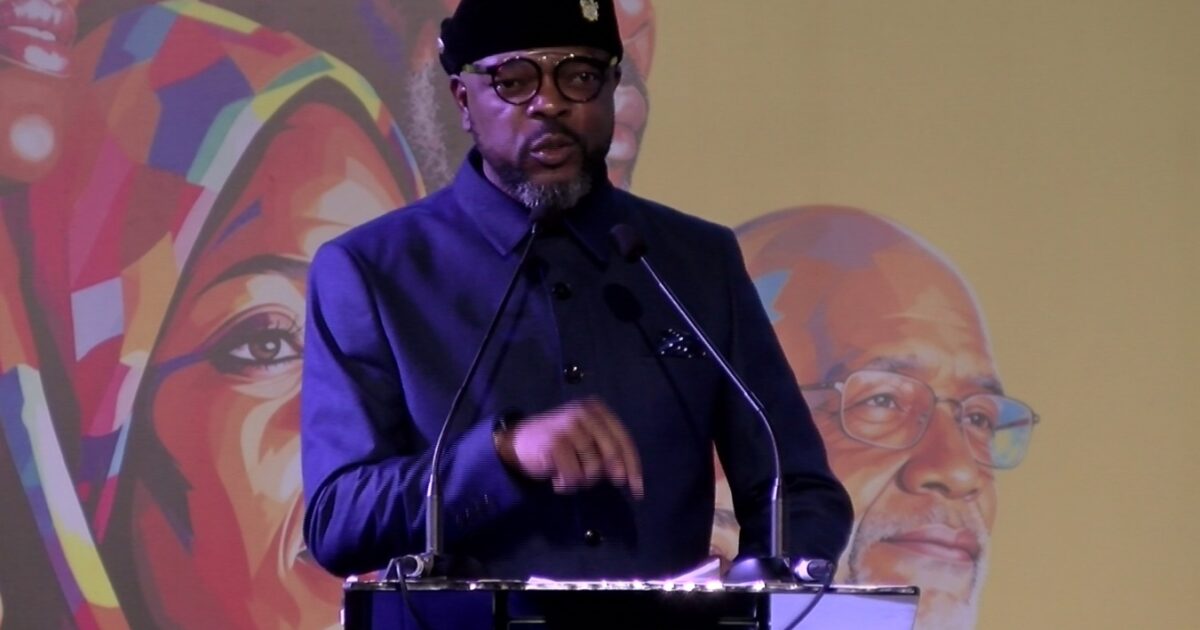
The Ghanaian government is reassessing its GH¢25,000 citizenship acquisition fee following sustained complaints from diaspora members who say the charge acts as a barrier to reconnecting formally with their homeland. Kofi Okyere Darko, Director of the Diaspora Affairs Office of the President, confirmed the Ministry of Interior is examining the fee structure after concerns were raised during a diaspora engagement meeting in Accra.
"We didn't want to relegate or shelve citizenship because of that amount, but quite a number of the people in the diaspora family are not happy with it," Okyere Darko said, indicating the government recognises the tension between revenue collection and diaspora inclusion.
Why the fee is proving controversial
The fee has drawn particular criticism from diaspora members with deep roots in Ghana. Mama One Africa (Imakhus Nzingah Okofu), a long-term resident who has lived in Ghana since 1987 and is married to a Ghanaian, questioned the logic of charging the same amount to people with substantial prior investment and family ties. "If I have lived in this country for more than 10 years, married to a Ghanaian and invested much more than GH¢25,000 in Ghana, and I am now applying for citizenship, how are you going to charge me?" she asked.
Nathakie Kanban, who obtained Ghanaian citizenship in 2019, highlighted another concern: she paid only between GH¢150 and GH¢200 just a few years ago. The dramatic increase has raised questions about the rationale behind the current levy and its timing in relation to Ghana's diaspora engagement agenda.
The reparations paradox and broader strategy
Ms Kanban drew a pointed connection between Ghana's push for reparations discussions related to the transatlantic slave trade and the citizenship fee. "The fee is out of line with asking the rest of the world to pay reparations, with slavery being the worst crime against humanity. But then when you come, they request money," she noted, highlighting what some see as a contradictory message from government.
Okyere Darko stressed that the government's diaspora strategy extends beyond simple citizenship acquisition. The broader vision includes strengthening relationships with diaspora members who have established long-term connections through residence, work, investment and family ties. He emphasised that any fee adjustment would follow proper governmental channels.
What this means for Ghana's diaspora policy
The fee review reflects growing recognition that financial barriers may undermine Ghana's competitive advantage in attracting diaspora engagement. With increased global mobility and competing nations also courting African diaspora populations, affordability can be a decisive factor in citizenship decisions.
The government faces a balancing act: maintaining administrative costs and processing standards whilst removing obstacles that prevent genuine diaspora reconnection. The current GH¢25,000 charge appears to have overshot the mark, particularly for individuals who can demonstrate sustained commitment through years of residence, family relationships or previous investment.
How Ghana recalibrates this fee may signal its true commitment to diaspora nation-building. A more tiered or context-sensitive approach—perhaps offering reduced rates for long-term residents, spouses of Ghanaians, or investors—could align financial sustainability with strategic inclusion. The Ministry of Interior's review will likely determine whether citizenship becomes more accessible or remains a premium service oriented toward those with significant disposable income.
Source: MyJoyOnline


Comments (0)
Be the first to comment.