
Zanetor warns against freeing galamsey suspects; gov't vows accountability for anti-illegal mining funds


Member of Parliament Zanetor Agyeman-Rawlings has cautioned Ghanaians against pushing for the release of persons arrested in connection with illegal small-scale mining activities, signalling the government's hardline stance on galamsey enforcement.
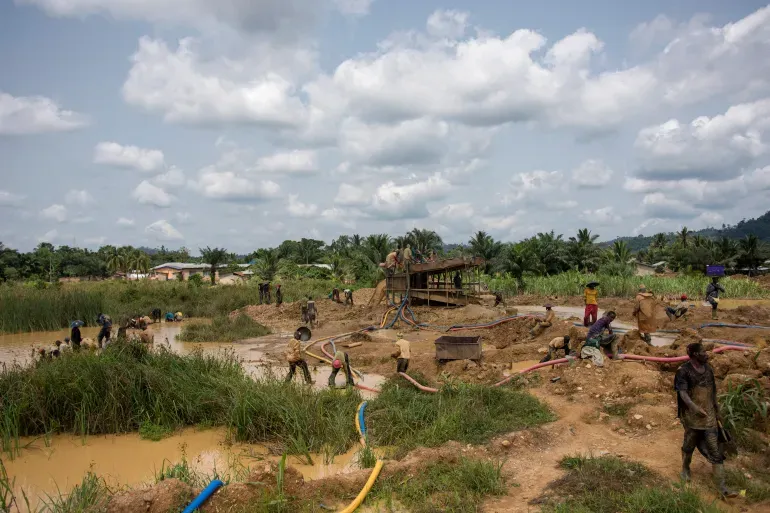
Speaking on the intensifying crackdown on illegal mining operations across Ghana, the legislator emphasised that accountability must remain central to the nation's fight against galamsey, which has ravaged water bodies, farmlands and mining communities for years.
Government commitment to transparency
Agyeman-Rawlings stressed that the government is determined to account for every resource allocated to anti-galamsey initiatives. She noted that because of this commitment to transparency and proper management, certain aspects of the operation were reviewed and revisited at the policy table. The emphasis on financial accountability suggests that past concerns about how funds were utilised in galamsey enforcement may have prompted a reassessment of the approach.
This statement comes as Ghana's illegal mining sector continues to pose significant environmental and economic challenges. The practice has contaminated major water sources, threatened food security and undermined legitimate mining operations regulated by the Minerals Commission.
Why it matters for Ghana
Ghana's battle against galamsey represents one of the most pressing environmental and governance issues facing the nation. Illegal mining operations have poisoned rivers including the Ankobra and Offin, affecting millions of Ghanaians who depend on these water sources for drinking and farming. The activity also contributes to soil degradation, threatens biodiversity and destabilises mining communities.
The government's renewed emphasis on accountability is significant because previous anti-galamsey campaigns have occasionally faced criticism over resource management and effectiveness. By publicly committing to transparent spending and resisting calls to release arrested suspects, the administration is signalling that this phase of enforcement will be different—grounded in both visible results and financial discipline.
For ordinary Ghanaians, particularly those in mining-affected regions, this approach may offer hope that illegal mining networks will face genuine consequences rather than cycles of arrest and release. Environmental activists and water security advocates have long pushed for sustained, transparent enforcement, making the government's stated commitment to accountability a potential turning point.
The broader enforcement landscape
Galamsey arrests have become increasingly common, though questions persist about the durability of enforcement efforts and whether arrested individuals face meaningful prosecution or simply return to illegal operations. Zanetor's warning against advocacy for their release suggests the government recognises that public pressure—sometimes driven by family connections or community influence—has previously complicated enforcement.
The revised approach to anti-galamsey operations, coupled with renewed emphasis on financial accountability, may indicate a shift towards more sustainable, rule-based enforcement that withstands political and social pressure to compromise.
Source: 3News


.jpg)

Comments (0)
Be the first to comment.