Wontumi's Case Exposes Ghana's Battle Against Galamsey Kingpins and Political Accountability
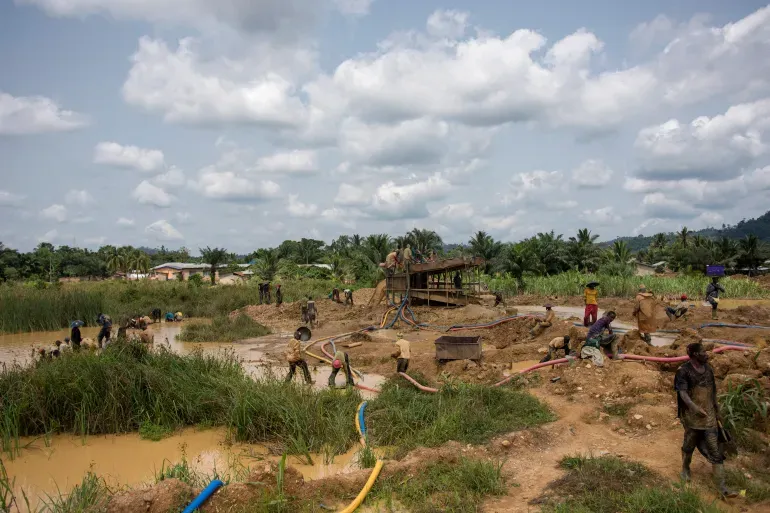
The conviction of a prominent figure connected to illegal mining operations has reignited debate about Ghana's commitment to holding powerful actors accountable for galamsey activities. The case underscores a fundamental challenge: prosecuting those who profit from illegal mining without dirtying their hands at the excavator site.
For years, Ghana's fight against illegal mining has focused on street-level operators—the miners physically extracting gold and other minerals. Yet this approach leaves the network architects largely untouched. The broader legal and enforcement question now facing the country is whether accountability can effectively reach those who finance, coordinate and benefit from galamsey operations while maintaining plausible distance from the actual mining sites.
Beyond the Excavator: Targeting the Real Beneficiaries
Illegal mining in Ghana has become a multi-layered enterprise. Equipment suppliers, financial backers, local officials, and political figures all profit from galamsey while miners and communities bear the environmental and social costs. For prosecution to be meaningful, Ghana's legal system must establish chains of responsibility that implicate organisers and financiers, not just labourers.
The conviction signals that prosecutors are attempting to build cases using financial trails, communications records, and testimonies linking higher-level actors to illegal mining networks. This approach is technically more complex than catching someone with a mining pan, but it is essential if Ghana genuinely aims to dismantle galamsey rather than merely manage its symptoms.
Why It Matters for Ghana
Ghana's economy and environment depend on controlling illegal mining. Galamsey has poisoned water supplies in multiple regions, displaced farming communities, and damaged ecosystems that support agriculture and wildlife. The government has declared it a national security threat, yet convictions of kingpins remain rare relative to the scale of the problem.
If wealthy and politically connected individuals continue to operate galamsey networks without consequence, enforcement efforts lose legitimacy. Communities already sceptical of government anti-mining campaigns will dismiss them as performative. Additionally, the credibility of Ghana's institutions—courts, police, and anti-corruption agencies—depends on showing that no one is above the law, regardless of wealth or political connections.
The case also intersects with Ghana's broader governance challenges. Galamsey thrives in areas where state capacity is weak, corruption is normalised, and local authorities either condone illegal mining or benefit from it. Prosecuting prominent figures sends a message about institutional strength, though sustained action across multiple convictions would be required to change behaviour at scale.
The Enforcement Gap Ahead
A single conviction, however significant, does not constitute a sustained campaign. Ghana faces two practical hurdles: first, gathering evidence against well-resourced defendants who employ lawyers and use intermediaries; second, ensuring that courts remain independent and protected from political pressure when trying cases involving influential people.
The legal framework must be tested consistently. Galamsey operators will adjust tactics—using shells companies, changing locations, or recruiting new frontline workers. For accountability to mean anything, Ghana's prosecutors and courts must evolve faster than the illegal mining networks they pursue.
This case represents a potential turning point, but only if it catalyses systemic change: stronger inter-agency coordination, tougher penalties for financiers, and political will to prosecute regardless of a suspect's connections.
Source: 3News
.jpg)

Comments (0)
Be the first to comment.