Parliament's rushed mining lease approvals spark governance concerns as Minority demands overhaul

Ghana's parliamentary opposition has raised serious alarm over the quality and due diligence standards applied to six mining lease agreements approved this week, calling the Minerals Commission's work 'shoddy' and warning that the nation's mineral wealth faces inadequate legal protection.
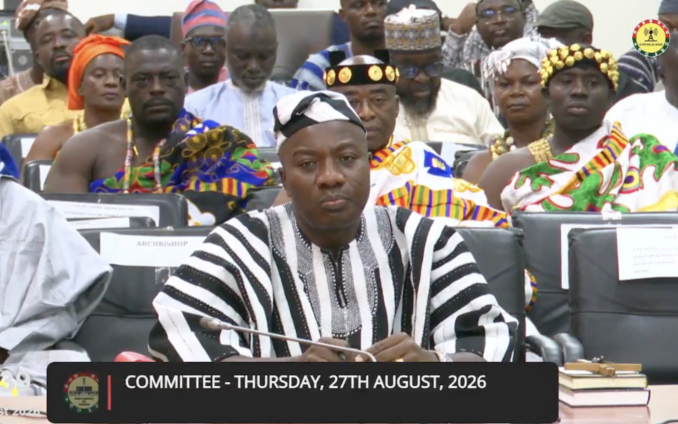
At a press conference on Friday, Kwaku Ampratwum-Sarpong, Ranking Member on Parliament's Lands and Natural Resources Committee, flagged multiple legal defects in documents that the House ratified on Thursday, July 31. The agreements include a lease for Damang Gold Limited, currently operated by Engineers and Planners. Mr Ampratwum-Sarpong, an NPP MP for Mampong, argued that Parliament bypassed the constitutional scrutiny required before approving any arrangement affecting Ghana's natural resources.
The alleged compliance failures
According to the Minority, the Commission submitted agreements containing "significant inconsistencies and legal defects" that should have been identified before Parliament saw them. Critically, Mr Ampratwum-Sarpong highlighted that several lease documents lacked mining operation programmes—essential information Parliament needs to assess how Ghana's mineral resources will be developed, managed and monitored over the lease term.
More alarmingly, he pointed out that multiple agreements omitted Ghana's statutory 10 per cent free carried interest. This entitlement, which belongs to the Ghanaian people and the state, is non-negotiable under mining law and cannot be waived or left out of lease agreements presented for ratification.
"Parliament cannot compromise the national interest by approving defective mining leases involving Ghana's mineral wealth without the level of scrutiny that the Constitution demands," Mr Ampratwum-Sarpong stated, emphasising that the approval process appeared rushed and fell below accepted standards.
Why it matters for Ghana
Mining is one of Ghana's largest foreign exchange earners and a pillar of the economy. The sector contributed approximately 5 per cent of GDP in recent years, and gold exports remain among the country's top revenue sources. Any compromise in lease agreements—whether through missing legal safeguards, absent operational detail, or forfeited state interests—could cost Ghana millions in lost revenue and weaken regulatory oversight of mining operations.
The omission of Ghana's 10 per cent carried interest is particularly significant because it directly affects state earnings and gives government a seat at the table in key operational and financial decisions. Without this stake, Ghana loses both income and leverage to monitor environmental compliance, labour standards, and resource extraction practices on its own soil.
The controversy also reflects broader governance concerns. Mining approvals have long been politically sensitive in Ghana, with civil society and opposition parties frequently challenging the transparency and rigour of the ratification process. A weakened vetting system at the Minerals Commission could invite future criticism and litigation, and may signal to investors that Ghana's regulatory framework is unpredictable.
The path forward
The Minority has called for a comprehensive review of the approval process to ensure that future mining agreements protect the state's long-term interests and comply fully with legal and regulatory requirements. While the source does not confirm whether Parliament will accede to this demand, the pressure now falls on the government and Minerals Commission to demonstrate that Ghana's mineral wealth is being stewarded responsibly.
The timing is noteworthy: with Ghana's economy facing fiscal pressures, mining revenues are more vital than ever. Parliament and the Minerals Commission must balance the need to attract investment with the imperative to safeguard public interests and uphold due process.
Source: MyJoyOnline


Comments (0)
Be the first to comment.