Parliament Confirms Ayariga and Zanetor for Key Cabinet Posts in Government Reshuffle

Ghana's Parliament has given the green light to two significant ministerial appointments, backing the nominations of Mahama Ayariga as Minister for Local Government, Chieftaincy and Religious Affairs, and Dr Zanetor Agyeman-Rawlings as Minister for Environment, Science and Technology. The approvals, announced on Thursday evening following committee vetting, mark an important step in the formation of the current administration's cabinet.
Both nominees secured parliamentary backing through voice vote, with the Speaker declaring the motion carried in accordance with Article 78(1) of the 1992 Constitution. The swift approval process suggests broad cross-party support for the appointments, paving the way for both ministers to formally assume their portfolios once remaining constitutional procedures are completed.
What the Ministers Pledged During Vetting
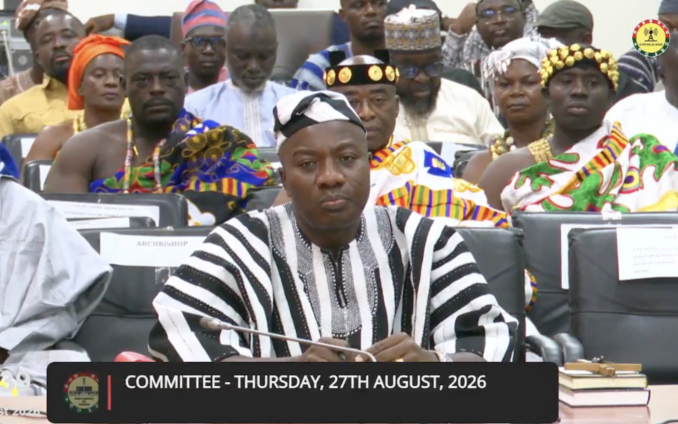
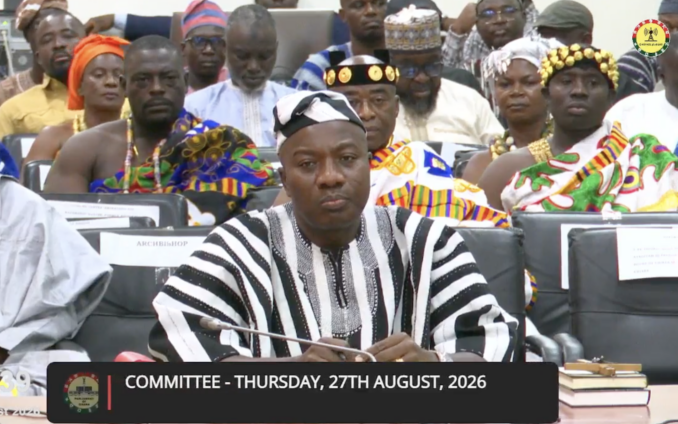
During their appearances before Parliament's Appointments Committee, both nominees outlined their policy priorities and vision for their respective ministries. Dr Zanetor Agyeman-Rawlings, heading the Environment, Science and Technology Ministry, placed particular emphasis on Ghana's approach to climate finance and plastic waste management—two pressing issues affecting the nation. She stressed the need for greater investment in research and innovation, specifically calling for enhanced support to the Council for Scientific and Industrial Research (CSIR) to develop biodegradable alternatives to conventional plastics that currently burden Ghana's environment.
The new environment minister also highlighted landfill pollution as a critical concern, advocating for stronger regulatory measures including the installation of non-permeable bases at waste sites to prevent leachate contamination of soil and groundwater—a problem that affects water quality and agricultural productivity in many Ghanaian communities.
Mahama Ayariga's vetting focused on his readiness to manage the complex portfolio of local government, chieftaincy affairs and religious matters, areas that require delicate handling of community relations and traditional governance structures across Ghana's regions.
Why This Matters for Ghana
These ministerial appointments carry significant implications for Ghana's policy direction over the coming term. The Environment Ministry's focus on plastic waste and climate finance is particularly timely, given Ghana's struggle with plastic pollution in urban and rural areas, and the nation's need to access climate adaptation funds to address environmental degradation. Dr Zanetor's emphasis on science and technology innovation could strengthen Ghana's research capacity and create pathways for local solutions to environmental challenges rather than relying solely on imported alternatives.
The Local Government Ministry appointment is equally important, as effective local governance underpins service delivery in health, education and infrastructure across Ghana's 16 regions. The ministry also bridges relations between government institutions and traditional rulers—a critical relationship in Ghana's governance architecture. Both portfolios directly affect the daily lives of Ghanaians and require ministers with genuine commitment to addressing longstanding challenges.
With parliamentary approval now secured, both ministers can move forward with implementing their policy agendas, subject to completion of any remaining constitutional requirements. The approvals demonstrate Parliament's role as a checks-and-balance institution in Ghana's democratic framework, ensuring ministerial nominees meet competence standards before assuming high office.
Source: Today GH


Comments (0)
Be the first to comment.