National Cathedral 'well-intentioned but poorly managed', says incoming minister
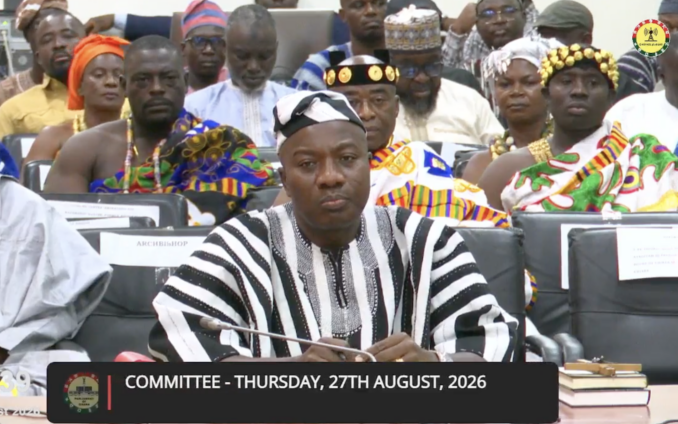
Ghana's incoming minister has acknowledged the National Cathedral as a conceptually sound project whilst criticising its implementation, signalling a potential shift in how the government may approach the controversial initiative moving forward.
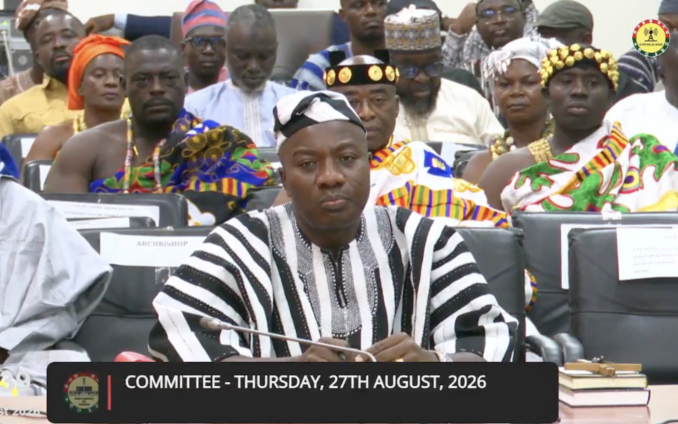
During his appearance before Parliament's Appointments Committee, Mahama Ayariga offered a measured assessment of the multi-billion-cedi project, describing it as possessing genuine merit in principle but suffering from significant execution failures that have left the structure incomplete and ensnared in controversy.
A project in limbo
The National Cathedral has remained one of Ghana's most polarising infrastructure ventures since its inception. Launched with considerable fanfare and presidential backing, the project has faced mounting criticism over its cost, the reallocation of funds, construction delays, and perceived lack of consultation with broader Ghanaian society—particularly given its religious and cultural significance.
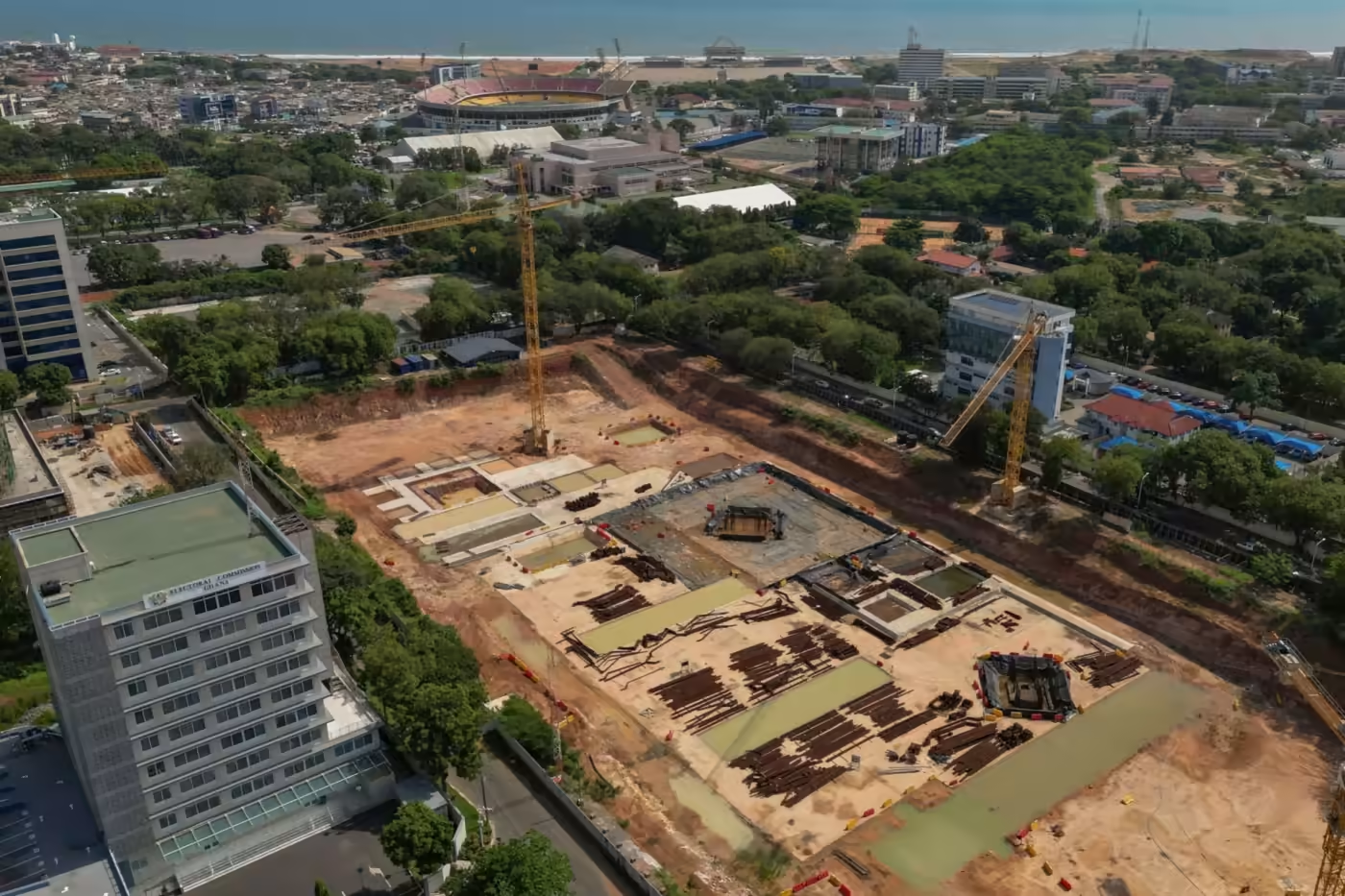
The structure itself has become a visual symbol of the administration's struggles, standing incomplete in Osu, Accra, amidst ongoing debates about whether public resources were appropriately deployed.
The path forward: dialogue over dogma
Ayariga's comments are noteworthy for what they suggest about incoming governance priorities. Rather than defending the project wholesale or abandoning it entirely, the minister-designate indicated openness to engaging stakeholders—a signal that the new administration may favour consultation over the top-down approach critics have attributed to the Cathedral's troubled history.
This stance potentially sets the stage for meaningful dialogue involving religious leaders, civil society organisations, taxpayers and parliamentary voices who have questioned the project's wisdom and stewardship.
Why it matters for Ghana
The National Cathedral represents more than brick and steel; it reflects broader questions about governance, fiscal responsibility, and how national projects should balance religious or cultural symbolism with practical accountability.
For ordinary Ghanaians, the project raises enduring concerns about public fund management at a time when infrastructure gaps persist in healthcare, education and transportation. The incoming government's willingness to genuinely reassess the Cathedral—rather than continuing its predecessor's trajectory—could restore public confidence that leadership listens to citizen concerns.
Additionally, how this administration handles the Cathedral will likely influence public perception of its commitment to transparency and stakeholder engagement more broadly, setting a tone for interactions on other major initiatives.
The economic dimensions are equally pressing: completing the project requires substantial further investment at a time when Ghana faces fiscal constraints, whilst abandoning it risks wasting already-committed resources. A stakeholder-led reassessment could clarify the realistic path—whether completion, redesign, or alternative use of the site—that genuinely serves national interests rather than political symbolism.
Ayariga's comments suggest the new administration recognises that sustainable governance requires earning back public trust through listening and collaborative problem-solving, not insisting on inherited commitments regardless of their merit.
Source: 3News

Comments (0)
Be the first to comment.