GoldBod's Losses Justified by Market Competition with Foreign Buyers – Manteaw

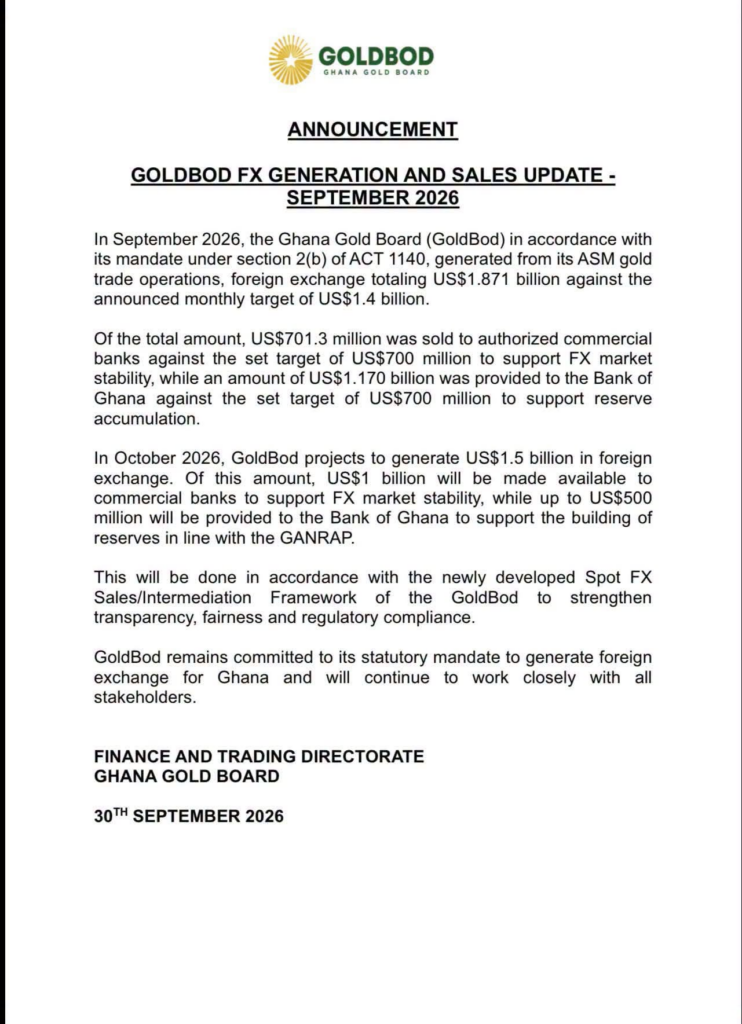
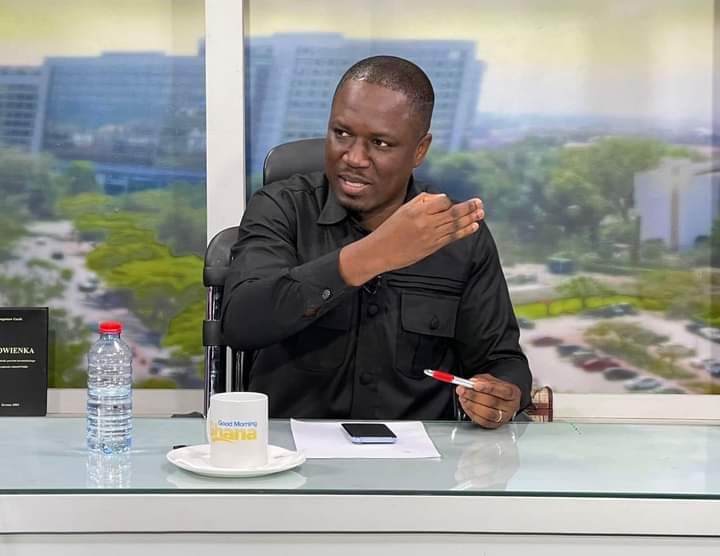
Ghana's Gold Board (GoldBod) faced an uphill battle when it entered a gold market already dominated by foreign buyers with deep pockets and established relationships, according to Dr Emmanuel Steve Asare Manteaw, co-chair of the Ghana Extractive Industries Transparency Initiative (GHEITI). His assessment provides crucial context for understanding why the state agency has recorded substantial losses since its establishment.
The core challenge, Manteaw explains, is that GoldBod arrived in a marketplace where Indian, Chinese, Turkish, and other foreign buyers had already secured strong positions. These competitors weren't simply offering cash—they were financing miners' operations and supplying critical equipment, creating loyalty that money alone couldn't easily break.
Why GoldBod Had to Pay Premium Prices
Without offering comparable support services, GoldBod's only competitive weapon was price. "The only way they can do that is to ensure that they offer a better price," Manteaw stated. However, this strategy came with a structural disadvantage. While foreign buyers purchased Ghanaian gold at discounted rates, GoldBod was forced to buy at market prices—and crucially, using forex bureau rates significantly higher than the official Bank of Ghana rate. This pricing gap created what Manteaw calls an "uncovered cost" that GoldBod absorbed to attract Ghanaian miners away from foreign alternatives.
The financial mathematics are stark. In 2024 alone, Ghana recorded losses totalling ¢5.7 billion from gold-related purchasing programmes: $1.8 billion from the Gold for Oil initiative and $3.8 billion from domestic gold purchases for reserves. Yet Manteaw argues these figures should not be read in isolation as failures.
The Bigger Economic Picture
Rather than fixating on losses, Manteaw insists the conversation must shift toward measuring returns on investment. He points to broader economic benefits that arise from increased gold revenue and foreign exchange stability. When GoldBod successfully channels more domestic gold into state reserves instead of foreign hands, Ghana builds currency buffers that allow businesses to plan with confidence, reduce import costs, and create conditions for lower inflation and interest rates.
"The impact, the economy-wide impact for me, exceeds the cost," he said. Manteaw emphasises that losses in gold purchasing programmes are not new—Ghana recorded them in 2022, 2023, 2024, and 2025. The difference is one of narrative. Critics highlight red ink; policymakers should consider whether stabilising forex markets, reducing import bills, and lowering borrowing costs justify the accounting losses.
What This Means for Ghana's Gold Strategy
GoldBod's experience reveals a hard truth about competing for control of natural resources in an open market. State agencies cannot simply undercut private competitors on price forever; they need structural advantages—whether financing, equipment provision, or long-term purchase guarantees—to make domestic sale attractive. Without such support, GoldBod was forced into a catch-22: lose money to gain market share, or maintain profitability and concede the market to foreigners.
Manteaw's framing suggests that GoldBod's losses are less a sign of mismanagement and more an investment in currency stability, domestic economic control, and reduced vulnerability to imported inflation. Whether that investment ultimately yields the promised returns remains an open question, but understanding GoldBod's competitive context is essential before passing judgment.
Source: MyJoyOnline


Comments (0)
Be the first to comment.