Ghana's small-scale gold sector pumps $10.8bn into economy, strengthens cedi reserves

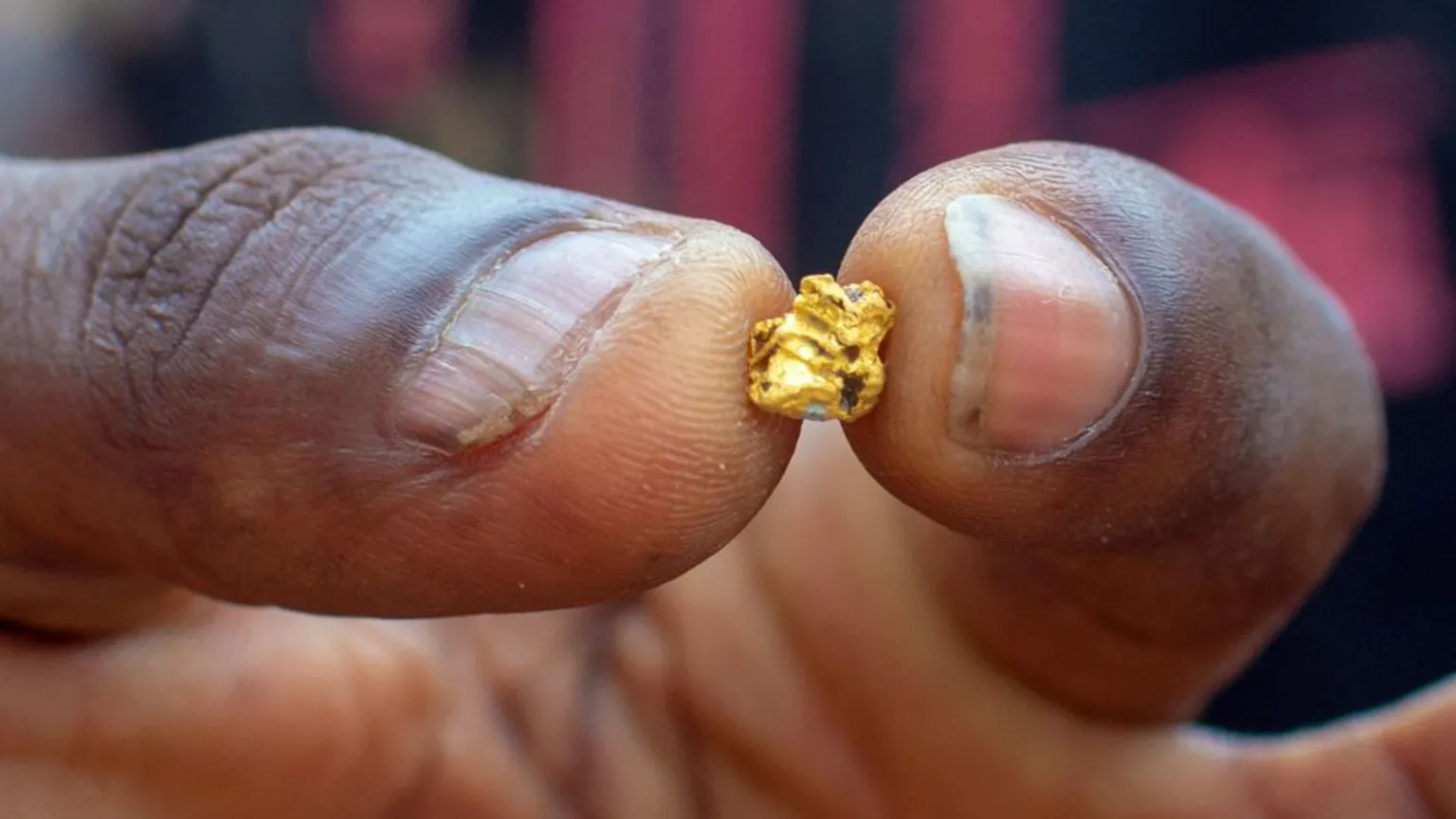
Ghana's artisanal and small-scale gold mining sector has emerged as a critical pillar of the country's foreign exchange earnings, generating more than $10.8 billion and significantly strengthening both the cedi and national reserves, according to Ghana Gold Board (GoldBod) Chief Executive Officer Sammy Gyamfi.
Speaking on JoyNews, Mr Gyamfi highlighted how GoldBod's gold purchases have directly supported the Bank of Ghana's foreign exchange management strategy, with approximately $10.6 billion intermediated into the broader forex market. This intervention has had measurable macroeconomic benefits, stabilising liquidity in the market and reducing pressure on the cedi during a period of global currency volatility.
The economic impact extends beyond immediate forex flows. The cedi recorded an appreciation of over 41 per cent during the period under review, reversing earlier depreciation trends that had weighed on business confidence and import costs. For ordinary Ghanaians, a stronger currency means lower prices for imported goods, from fuel to essential medicines, providing some relief from inflationary pressures.
International Reserves Surge
Perhaps most significantly, Ghana's international reserves have improved substantially, rising from $8.9 billion to $13.8 billion by December 2025. This reserve accumulation strengthens Ghana's ability to weather external shocks, meet foreign exchange obligations, and provides a buffer that international credit rating agencies and foreign investors closely monitor. Higher reserves typically improve investor confidence and can help lower Ghana's borrowing costs on international markets.
These figures underscore the often-overlooked role of artisanal and small-scale mining (ASM) in Ghana's economy. While large-scale mining operations attract headlines and foreign investment, the ASM sector—which employs hundreds of thousands of Ghanaians in rural and peri-urban areas—generates substantial forex and contributes meaningfully to household incomes and local economies.
Why It Matters for Ghana
Ghana's heavy reliance on gold exports makes forex management crucial for macroeconomic stability. With volatile international commodity prices, a diversified approach to forex generation is vital. The surge in small-scale gold purchases demonstrates how formalising and supporting informal sector mining can yield national benefits beyond local employment.
However, ASM also presents challenges: environmental degradation, water pollution, and child labour concerns have drawn international criticism. GoldBod's role in channelling artisanal gold through formal purchase systems helps address some of these concerns by bringing miners into regulated value chains and generating verifiable revenue for the state.
The improved reserve position and currency stability should theoretically reduce pressure on the Bank of Ghana to maintain high interest rates purely for currency defence, potentially creating room for more accommodative monetary policy if inflation continues to moderate. This could eventually benefit businesses and consumers through lower borrowing costs.
Looking ahead, sustaining these gains will require continued support for artisanal miners through better access to finance, safer working conditions, and fair pricing—whilst strengthening environmental safeguards to ensure the sector's long-term viability.
Source: MyJoyOnline



Comments (0)
Be the first to comment.