Ghana's artisanal gold sector poised to match or exceed 2025 record as output surges
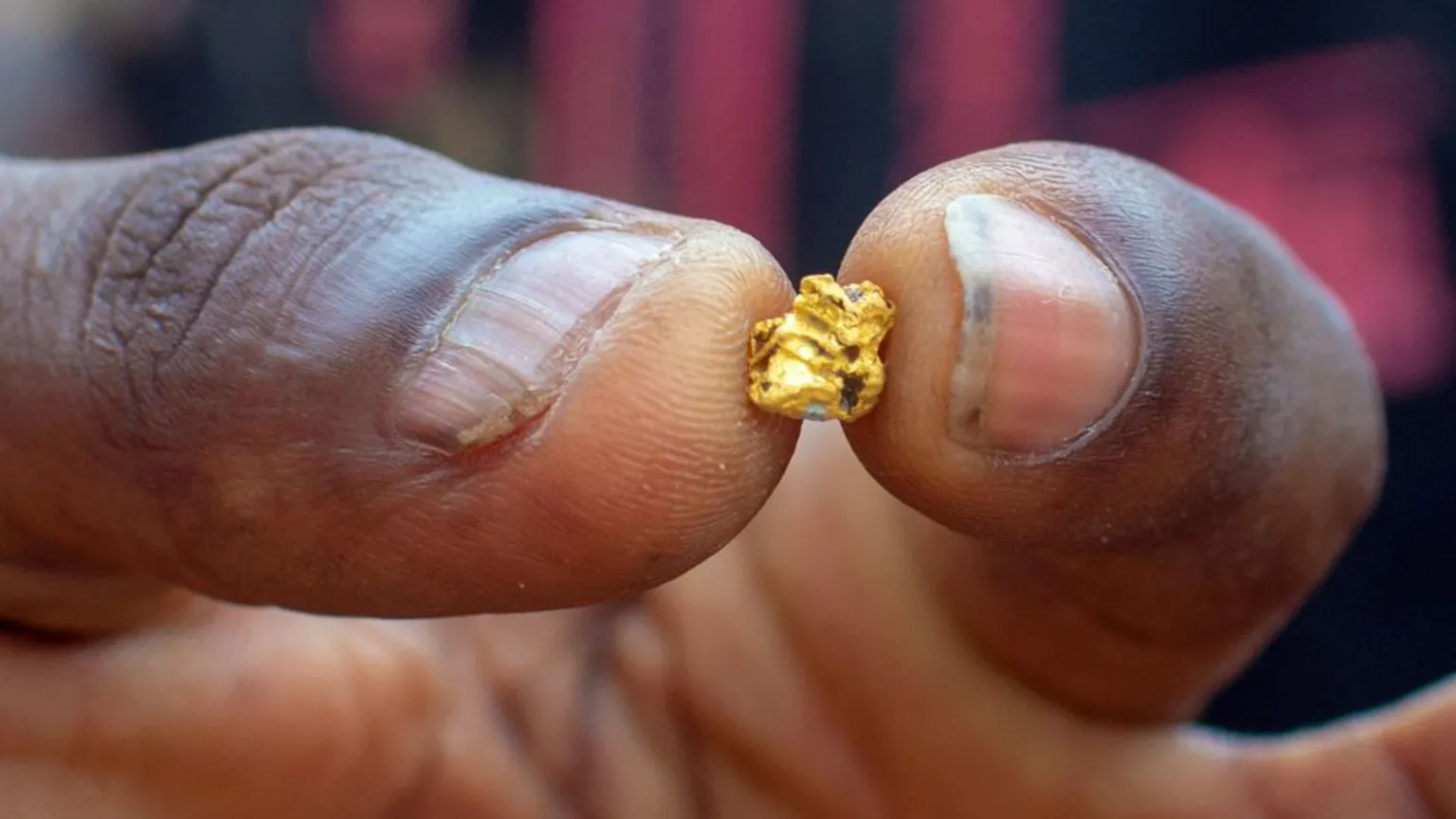
Ghana's artisanal and small-scale mining sector is on track to match or surpass last year's record gold output, according to the country's Gold Board, underlining the continued strength of the nation's most valuable export commodity amid economic recovery efforts.
The Gold Board purchased 50–54 metric tons of gold from artisanal and small-scale miners in the first half of 2026, CEO Samuel Gyamfi announced on Tuesday. At that pace, the sector is expected to replicate or exceed 2025's historic 104 metric tons—a milestone that saw small-scale mining surpass large-scale production for the first time.
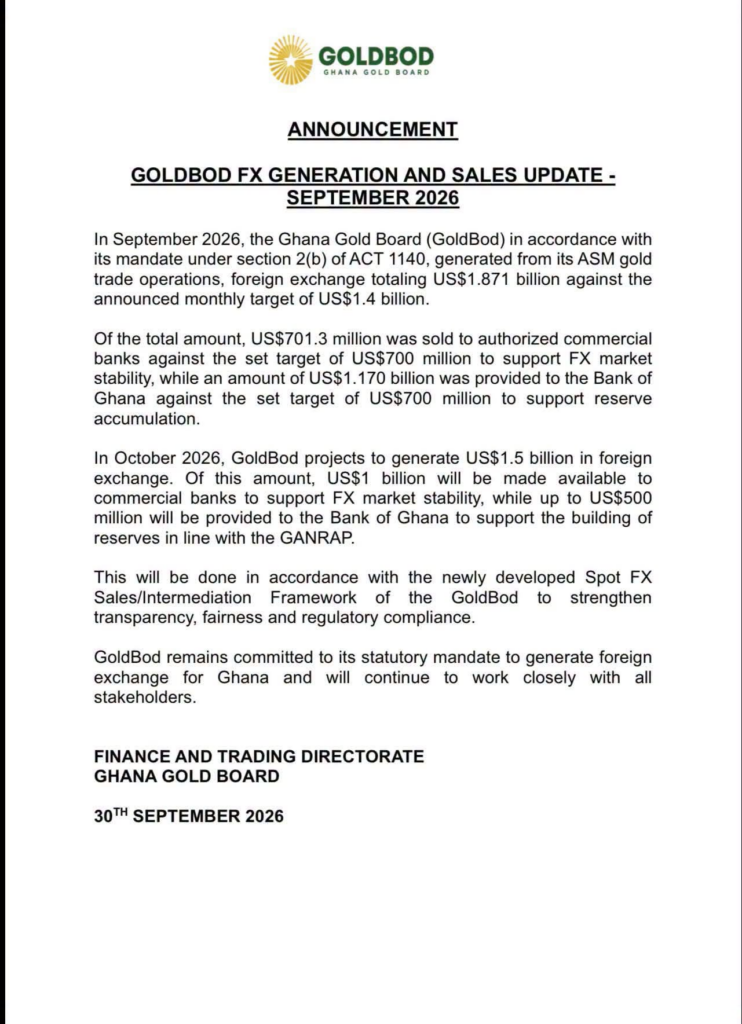
The sustained output reflects ongoing sector reforms designed to curb smuggling, retain foreign exchange earnings within Ghana's borders, and support an economy recovering from recent financial instability. Gold remains Ghana's largest export and a critical source of dollar inflows essential for economic stabilisation.
Foreign exchange gains and price headwinds
Last year's artisanal and small-scale mining sector generated approximately $11 billion in foreign exchange earnings, whilst large-scale mining contributed roughly $9 billion. Despite this dominance, the sector faces headwinds from declining international gold prices.
Gyamfi noted that the Gold Board had calibrated 2026 forecasts on an assumed average bullion price of around $5,000 per ounce, with expected weekly purchases of approximately 2.5 metric tons. Current market conditions have fallen short of these initial price assumptions, reducing earnings potential per ounce.
However, Gyamfi indicated that Ghana is still positioned to generate higher total gold export earnings in 2026 than in 2025, since average bullion prices currently remain above 2025 levels despite trading below the Gold Board's original expectations.
Why it matters for Ghana
Gold exports are vital to Ghana's balance of payments and foreign exchange reserves. The acceleration of artisanal and small-scale mining output—traditionally dominated by informal, unregulated activity—demonstrates the efficacy of formalisation efforts in channelling production through official channels and maximising state revenue.
The sector's rapid growth also has implications for employment and livelihoods in mining communities across Ghana, particularly in regions such as the Ashanti Region, Eastern Region, and Western Region. Sustained ASM activity supports thousands of miners, traders, and allied businesses.
For Ghana's broader economy, robust gold earnings provide crucial support during the ongoing fiscal adjustment and debt-reduction programme negotiated with international creditors. Consistent foreign exchange inflows help stabilise the cedi, reduce import pressures, and fund essential public expenditure.
The resurgence of ASM also underscores the importance of Ghana's gold sector strategy: rather than relying solely on capital-intensive large-scale operations, the country is leveraging its abundant artisanal mining base through targeted formalisation, security, and transparency measures. This dual-track approach has proven resilient even as commodity prices fluctuate.
Source: MyJoyOnline



Comments (0)
Be the first to comment.