GoldBod is Ghana's best approach to gold management yet, says IMANI's Kofi Bentil

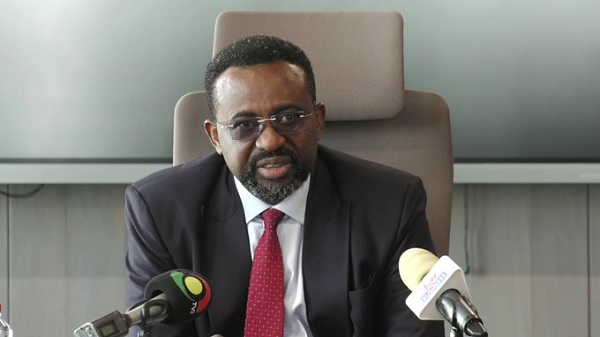
Ghana's handling of its gold resources has taken a significant step forward with the establishment of the Ghana Gold Board (GoldBod), according to Kofi Bentil, Senior Vice-President of IMANI Africa, a leading Ghanaian policy think-tank. Speaking on JoyNews' Newsfile, Bentil defended GoldBod as the most effective model Ghana has deployed to date for managing its precious metal assets, whilst cautioning that the institution remains a work in progress.
From Bank of Ghana to Independent Trading
The shift to GoldBod represents a fundamental restructuring of how Ghana manages commercial gold trading. Under the previous system, the Bank of Ghana directly handled gold trading operations through GoldBod, with all financial consequences—gains or losses—flowing directly onto the central bank's balance sheet. This arrangement created a problematic conflict of interests, according to Bentil.
The Bank of Ghana's core mandate centres on maintaining monetary stability and financial system integrity. Burdening the central bank with the commercial risks of gold trading contradicted this primary responsibility. When losses occurred, they became the central bank's liability, potentially undermining its capacity to fulfil its regulatory functions. Bentil highlighted how this model generated significant challenges for Ghana's financial authorities.
Ghana is now transitioning towards a more autonomous structure where GoldBod operates with its own capital base, independent from the Bank of Ghana. Under this evolved model, GoldBod would assume full responsibility for both the profits and losses from its gold purchasing and trading activities. This separation allows the central bank to focus exclusively on monetary policy without carrying commercial trading risks, whilst GoldBod bears the consequences of its market decisions.
Why it matters for Ghana
Gold remains one of Ghana's most strategically important natural resources and a critical foreign exchange earner. How the government structures its gold trading directly affects national finances, currency stability, and the credibility of financial institutions. A centralised model that places trading losses on the Bank of Ghana weakens the institution's balance sheet and can undermine confidence in the currency and monetary system.
By separating commercial gold trading from central banking functions, Ghana protects its financial system's integrity whilst creating a dedicated entity focused solely on optimising gold resource management. This structural reform reflects lessons learned from previous arrangements and positions Ghana to extract maximum value from its mineral wealth more efficiently.
However, Bentil's acknowledgement that GoldBod remains imperfect suggests ongoing scrutiny will be necessary. The institution must demonstrate effectiveness in its purchasing strategies, trading decisions, and cost management to justify the confidence placed in it.
Building a better framework
Rather than dismissing GoldBod as fundamentally flawed, Bentil argues Ghanaians should engage constructively in identifying weaknesses and advocating for continuous improvement. He rejected characterisations of GoldBod as a policy mistake, emphasising instead that Ghana's experiences with gold management necessitate a specialised institution capable of handling the commercial dimensions of resource extraction.
The transition to GoldBod's independent operation is ongoing, meaning the institution's final form has not yet crystallised. Bentil's measured defence—acknowledging both progress and remaining gaps—suggests a pragmatic approach to resource governance: supporting the broad structural direction whilst demanding accountability and refinement as implementation continues.
For Ghana's development prospects, how successfully GoldBod executes its mandate could meaningfully influence the nation's ability to convert mineral wealth into sustained economic growth.
Source: MyJoyOnline



Comments (0)
Be the first to comment.