Ghana's $1.7bn Gold Loss: Where Does Accountability Lie?
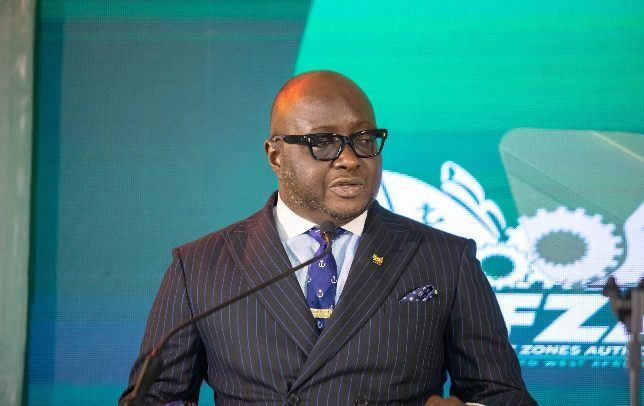
The controversy surrounding Ghana's $1.7 billion loss in the gold sector has reignited debate over institutional responsibility and financial accountability, with key political and economic figures weighing in on where culpability ultimately rests.
Mike Oquaye Jnr has emphasised that the scale of the financial loss remains the central concern, irrespective of whether losses are attributed to the Bank of Ghana (BoG) or the Ghana Gold Board (now GoldBold). His intervention underscores growing frustration among observers that institutional finger-pointing may be obscuring the core issue: how Ghana lost such a substantial sum from its precious metal reserves.
The Institutional Dispute
The debate centres on whether the losses should be formally linked to the Bank of Ghana's balance sheet or to GoldBold, the state entity responsible for managing Ghana's gold resources. Economic Policy Analyst Senyo Hosi has contended that the losses associated with gold operations sit with the Bank of Ghana, placing the burden of explanation and recovery measures squarely on the central bank's shoulders.
This technical distinction carries real consequences. If losses are BoG's responsibility, they affect the bank's capital adequacy ratios and financial health. If they belong to GoldBold, they become a separate state entity's problem, potentially shifting how the government addresses the shortfall in its accounts.
Why It Matters for Ghana
Ghana's gold sector is a cornerstone of the national economy. Gold exports consistently rank among the country's top foreign exchange earners, and strategic management of the metal's value is critical to fiscal stability. A $1.7 billion loss represents a significant drain on resources that could otherwise fund education, healthcare, infrastructure, or debt servicing.
For ordinary Ghanaians, such losses have tangible effects. They can weaken the cedi's exchange rate, inflate import costs, and constrain government spending on public services. When billions disappear from state entities without clear accountability mechanisms, it erodes public confidence in financial institutions and raises questions about governance and transparency.
The dispute also reflects deeper concerns about institutional capacity and oversight. Whether losses stem from poor management decisions, market timing failures, or other factors remains contested, and the lack of clarity breeds suspicion about whether lessons have been learned to prevent future losses.
Moving Beyond Blame
Oquaye Jnr's position—that the loss itself is the problem, not the label—suggests a call for pragmatism. Citizens and policymakers may care less about which entity technically owns the loss and more about answers: How did it happen? Who made critical decisions? What remedial steps are being taken? Will anyone be held accountable?
Stakeholders across Ghana's political and business landscape have called for independent audits, parliamentary inquiries, and transparent investigations into the gold operations. Only through such scrutiny can the nation move beyond institutional blame-shifting toward genuine accountability and systemic reform.
The controversy highlights a broader governance challenge in Ghana: ensuring that state entities responsible for managing national assets operate with sufficient independence, oversight, and transparency to protect public wealth for current and future generations.
Source: 3News




Comments (0)
Be the first to comment.