Economic Think Tank Presses Finance Ministry and Bank of Ghana Over Depleted Foreign Reserves

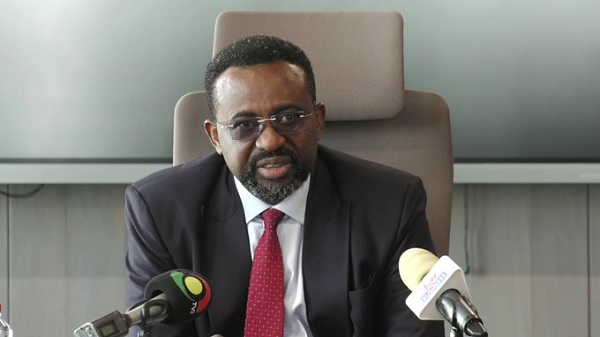
A prominent Ghanaian economic research organisation has called on the Finance Ministry and the Bank of Ghana to provide detailed public accounting of how the nation's foreign reserves were depleted in recent years, raising critical questions about reserve management during a period of significant fiscal and monetary challenges.
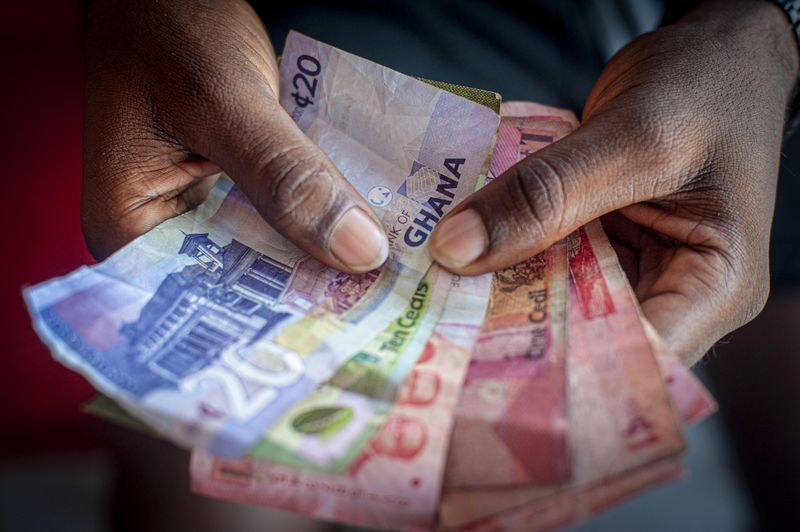
The Institute for Economic and Policy Research and Promotion (IERPP) has specifically demanded clarity on the allocation of reserve funds, particularly regarding their use in defending the cedi against depreciation pressures, servicing external debt obligations, and financing government spending programmes.
The Reserve Question
Ghana's foreign exchange reserves have been a point of concern for policymakers and economists, particularly as the country navigated currency volatility and debt sustainability challenges. The IERPP's intervention suggests there is insufficient public transparency around how these critical assets were utilised during periods when the cedi faced downward pressure.
The think tank's demands underscore a broader governance issue in Ghana's economic management: the need for clearer communication between monetary and fiscal authorities and the public they serve. Foreign reserves are a vital buffer for any economy, protecting against external shocks and maintaining confidence in the currency. How they are deployed matters enormously for public trust and long-term economic stability.
The three key areas IERPP has flagged—cedi defence, debt servicing, and fiscal financing—represent distinct policy choices with different long-term implications. Using reserves to prop up the currency buys time but does not address underlying competitiveness issues. Reserves deployed for debt payments reflect international obligations but reduce the buffer available for emergencies. Reserves used to finance government spending raises questions about fiscal discipline and whether programmes could have been funded through appropriate domestic revenue mobilisation.
Why It Matters for Ghana
Transparency in reserve management directly affects Ghana's credibility with international investors and lending institutions. As the country seeks to navigate its post-debt-restructuring period and rebuild investor confidence, clear answers about past reserve usage become essential for demonstrating sound governance.
For ordinary Ghanaians, reserve depletion affects economic fundamentals: it can influence exchange rates that impact import prices (affecting everything from fuel to medicines), inflation, and the government's ability to respond to future crises. Citizens deserve to understand how state assets were managed on their behalf.
The IERPP's intervention also reflects broader civil society scrutiny of economic management, which is healthy for accountability. The central bank and finance ministry should view such demands not as adversarial but as opportunities to rebuild public confidence through transparent, detailed explanations of their decisions.
Moving Forward
How the government responds to these questions will signal its commitment to institutional transparency. A comprehensive public response detailing reserve movements, the rationale for each major deployment, and the outcomes achieved would strengthen confidence in Ghana's economic institutions. Conversely, defensive or evasive responses would only deepen suspicion.
The IERPP's scrutiny comes at a crucial moment as Ghana works toward macroeconomic stability and investor confidence. Clear answers about reserve management are not merely academic; they are essential for sustainable economic governance.
Source: 3News


Comments (0)
Be the first to comment.