
Bank of Ghana Launches Heritage Series Banknotes With Stronger Anti-Counterfeit Protection and Longer-Lasting Design


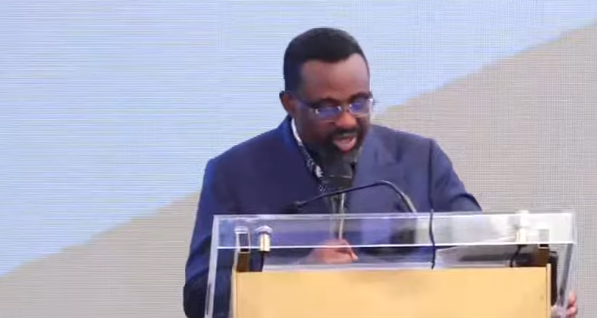
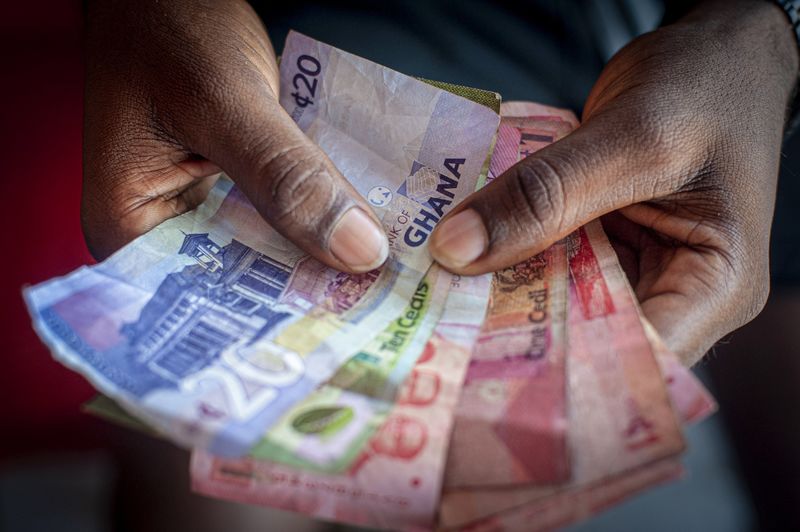
Ghanaians will soon be handling a redesigned cedi that is harder to counterfeit, built to last longer in the country's humid climate, and easier to carry in a wallet. The Bank of Ghana (BoG) officially launched its Ghana Heritage Series banknotes at Bank Square in Accra on Thursday, 12 November, with Governor Dr Johnson Asiama outlining the key improvements that distinguish the new currency from its predecessors.
What is new about the Heritage Series?
Dr Asiama described three principal upgrades embedded in the Heritage Series. First, the new banknotes incorporate enhanced security features specifically designed to combat counterfeiting and make it straightforward for ordinary Ghanaians to verify whether a note is genuine. While the BoG Governor did not publicly detail every security element — a standard practice to avoid assisting counterfeiters — the emphasis on ease of verification suggests features accessible even to market traders and informal sector workers who may lack specialised equipment.
Second, the notes have been engineered for greater durability. Ghana's tropical climate, characterised by high humidity and heat, has historically accelerated the deterioration of banknotes in circulation. Frequent handling in busy markets, trotro stations, and informal trade compounds the wear. The new series has been designed with these conditions in mind, with the BoG stating that an extended lifespan for each note will support more efficient currency management and reduce the cost of replacing worn-out notes.
Third, the Heritage Series features a smaller, more compact format. Dr Asiama explained that this change reflects how modern banknotes must evolve alongside people's daily habits, noting that smaller notes are easier to handle and carry, particularly for people who rely on physical cash for the bulk of their transactions.
Why it matters for Ghana
Counterfeiting, while not at crisis levels in Ghana, remains a persistent concern for the central bank and for public trust in the cedi. When fake notes circulate undetected, ordinary citizens — especially those with limited financial literacy or access to verification tools — bear the greatest risk. By making genuine notes easier to identify, the BoG is directly protecting market women, small business owners, and daily-wage earners who transact almost exclusively in cash.
The durability upgrade also carries significant economic logic. Every time a note is taken out of circulation because it has become unfit for use, the central bank incurs the cost of printing and distributing a replacement. Notes that last longer reduce this burden on the institution and, by extension, on public resources. For a country that has faced considerable pressure on its foreign exchange reserves — many currency printing contracts involve foreign suppliers — extending the lifespan of each note has practical fiscal benefits.
The timing of the launch also matters. Ghana has made considerable strides in expanding digital payments through platforms such as Mobile Money, yet physical cash remains dominant for a large segment of the population, particularly in rural areas and the informal economy. The Heritage Series signals that the BoG intends to maintain a high-quality cash infrastructure even as digital alternatives grow.
What happens next
The existing cedi banknotes are expected to remain legal tender during a transition period, as is standard practice when new series are introduced. The BoG has not announced a date by which old notes must be exchanged, but Ghanaians are advised to familiarise themselves with the new security features to avoid inadvertently accepting counterfeit currency.
- Members of the public should request information from their banks or visit the BoG's official channels to learn how to identify the new security features on the Heritage Series notes.
- Businesses that handle large volumes of cash — supermarkets, fuel stations, and financial institutions — are encouraged to update their counterfeit-detection procedures in line with the new series.
- Rural communities and informal traders, who may be slower to encounter the new notes, should be briefed by community leaders and financial service providers as the rollout progresses.
The Ghana Heritage Series represents the central bank's clearest statement in recent years that the cedi, as a physical currency, must keep pace with both technological advances in security printing and the practical realities of Ghanaian daily life.
Source: MyJoyOnline



Comments (0)
Be the first to comment.