GoldBod Controversy: Where Does Ghana's Gold Reserve Actually Sit?

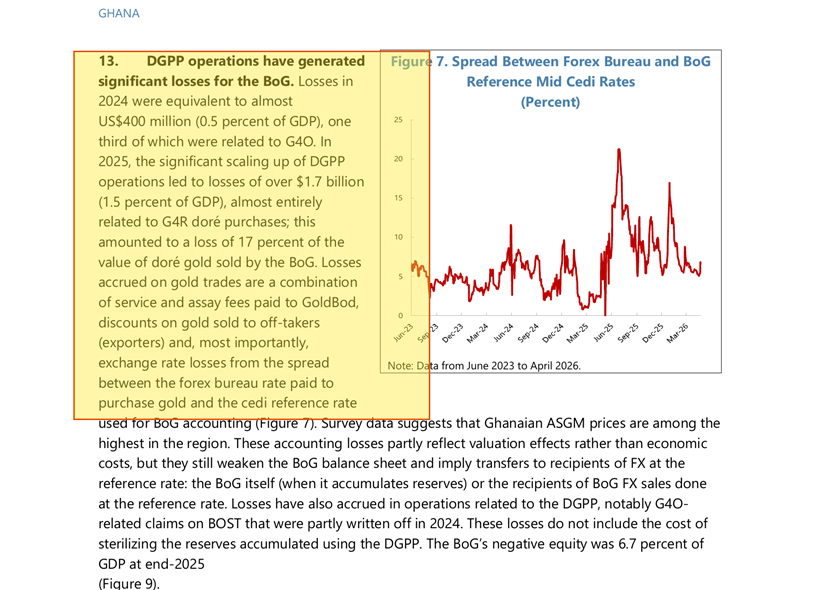
A significant dispute has emerged over the accounting and storage of Ghana's gold reserves, with questions being raised about whether losses attributed to GoldBod are actually misplaced in the Bank of Ghana's books. The controversy centres on how Ghana's precious metal holdings are recorded and managed within national financial systems.
The debate highlights a critical tension in Ghana's financial governance. According to statements made in the discussion, the gold in question cannot be recorded on GoldBod's books as claimed, suggesting instead that responsibility and accountability lie elsewhere within the central banking structure. This raises important questions about transparency and proper financial record-keeping of one of Ghana's most valuable national assets.
Understanding GoldBod's Role
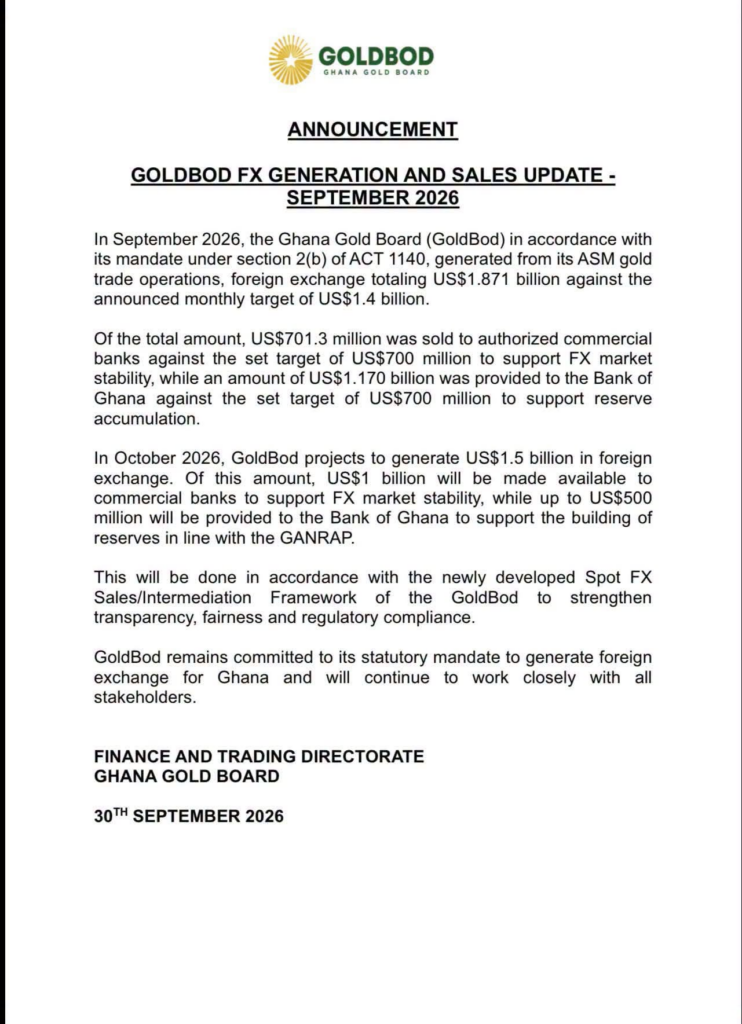
GoldBod, Ghana's gold buyback programme, was designed to encourage Ghanaians to sell gold domestically rather than smuggling it out of the country. The initiative aims to increase gold reserves and boost the economy. However, the current dispute suggests confusion or misalignment between where gold physically sits and where it is recorded in official accounts.
The assertion that losses or holdings cannot be placed in GoldBod's books but instead sit with the Bank of Ghana indicates a potential administrative or accounting separation that may not be clearly understood or properly communicated to the public. This distinction matters significantly for national financial transparency and accountability.
Why This Matters for Ghana
Ghana's gold reserves are a cornerstone of national wealth and economic stability. Accurate accounting and transparent management of these reserves are essential for:
- Maintaining investor confidence in Ghana's economic management
- Ensuring proper use of national assets for development
- Supporting the currency and central bank credibility
- Meeting international financial standards and requirements
When there is confusion about where reserves are held and recorded, it undermines public confidence in financial institutions and raises concerns about governance. Ghanaians need to understand where their national gold is stored, how it is protected, and how its value is being managed.
The controversy also points to potential gaps in communication between key financial institutions. If the Bank of Ghana and GoldBod operate with different accounting frameworks or understanding of where reserves physically and officially reside, this needs urgent clarification for auditing and transparency purposes.
Moving Forward
This dispute should prompt a comprehensive review of how Ghana manages and records its gold reserves. Clear documentation of physical gold location, accounting procedures, and the respective roles of GoldBod and the Bank of Ghana would benefit national financial transparency. The Bank of Ghana and relevant authorities must ensure that all gold holdings are properly accounted for and that the public has access to clear information about Ghana's precious metal reserves and their safekeeping.
Source: 3News

Comments (0)
Be the first to comment.