
Ghana Water Safe to Drink Straight from the Tap, Says GWL

Ghana Water Limited (GWL) has given Ghanaians the green light to drink water directly from their taps, citing compliance with both national and international quality standards. The company's Communications Manager Stanley Martey made the assurance in a recent interview, emphasising that water flowing straight from the tap is fresh and typically less than 24 hours old.
Martey disclosed that he personally drinks tap water at his residence without any treatment, adding credibility to the company's safety claims. He explained that the freshness of water delivered directly from the tap, as opposed to stored in household tanks, significantly reduces the risk of contamination from prolonged storage.
Quality Standards and Testing Protocols
According to GWL, the water supplied across Ghana meets stringent quality benchmarks that exceed the requirements set by the Ghana Standards Authority. The company positions itself as meeting not only national standards but also international guidelines, including those established by the World Health Organisation (WHO).
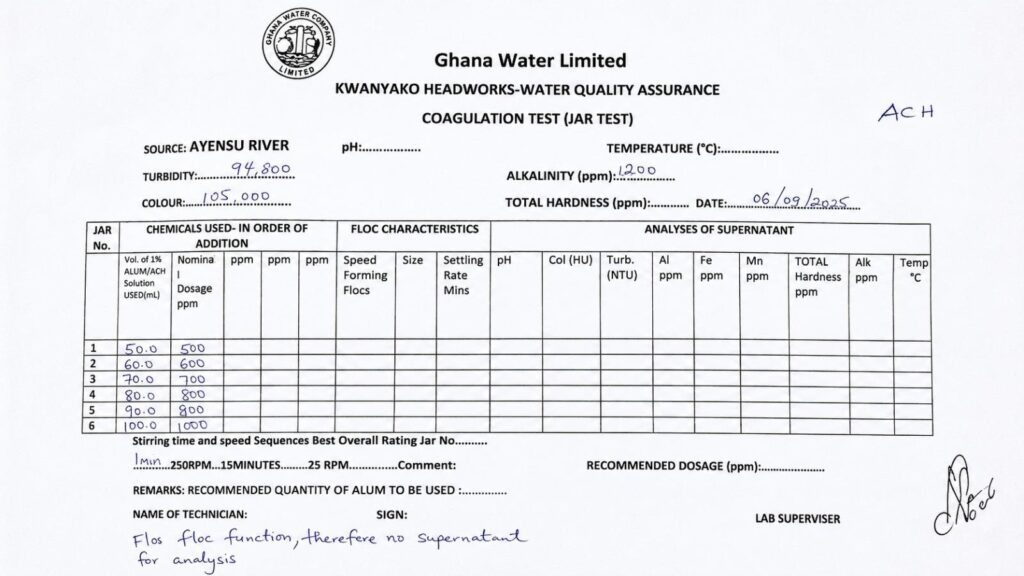
A dedicated quality assurance team conducts regular testing throughout GWL's distribution network. When external contaminants are detected, the company applies additional treatment chemicals to address specific issues. Martey stressed that GWL's commitment to water safety is absolute, stating that the company will shut down operations if water fails to meet drinking water standards.
What This Means for Ghanaian Households
For many Ghanaians, the assurance could have significant practical and economic implications. Traditionally, many households have relied on boiling water or storing it in tanks as a precaution, practices that consume time, energy and resources. If tap water is truly safe to consume directly, households could reduce these costs and inconveniences.
However, the effectiveness of this assurance depends on consistent delivery of quality water across all regions and distribution networks. Urban areas with stable supply infrastructure may experience different water quality than rural or newly connected areas. Additionally, the condition of household plumbing and internal pipes can affect water quality even if GWL supplies treated water to the meter.
The statement also highlights GWL's efforts to position Ghana's water utility as a modern, internationally competitive service provider. The company's aspiration to become a world-class institution reflects broader infrastructure development goals in the country.
Consumer Confidence and Infrastructure Trust
Building consumer confidence in tap water safety is crucial for any water utility, particularly in developing economies where alternative water sources and stored water remain common practices. GWL's public assurance, backed by claims of regular testing and quality oversight, represents an attempt to shift public perception and behaviour regarding tap water consumption.
The company's emphasis on international standards recognition and comparison with global benchmarks suggests awareness of how Ghanaian water quality is perceived internationally, particularly for expatriates and investors evaluating the country's infrastructure quality.
For Ghanaians considering whether to trust tap water directly, the key takeaway is that GWL claims rigorous testing, continuous monitoring, and a zero-compromise approach to safety standards. Whether this translates to universal safe tap water across all areas and times will ultimately depend on consistent infrastructure maintenance and operational excellence.
Source: The Ghana Report




Comments (0)
Be the first to comment.