Ghana Water Limited tackles Community 25 water crisis; pressure management identified as key challenge
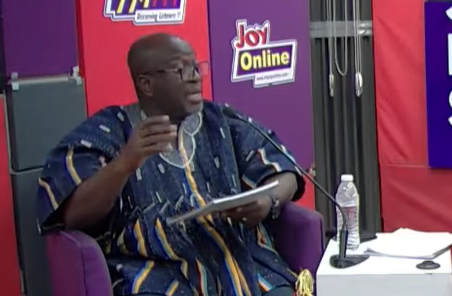
Ghana Water Limited (GWL) has moved to calm tensions among residents of Community 25, Gulf City, and neighbouring communities who have endured over two months of irregular water supply. The company's Communications Manager Stanley Martey addressed the crisis on Joy FM's Super Morning Show, emphasising that treatment plants are operating normally and that recent interventions have already yielded improvements.
The water shortage affecting these communities stems not from a breakdown in production capacity, but from pressure management challenges within the distribution network. Mr Martey explained that GWL's treatment facilities are functioning at full capacity, but delivering sufficient water pressure to certain areas remains the primary obstacle. "All our treatment plants are functioning. The only thing is pressure management," he stated during the Wednesday interview.
Technical Solutions and Monitoring Systems
To address the underlying causes of low pressure, GWL has deployed advanced diagnostic tools and monitoring infrastructure. The company is employing Doppler effect technology to pinpoint where pressure problems originate within the network, allowing engineers to target repairs more effectively. Additionally, GWL has installed pressure loggers across its distribution lines that provide hourly data on pressure levels throughout the system.
This real-time monitoring approach enables GWL's technical teams to identify high and low pressure zones and trace the specific faults affecting water delivery. Mr Martey stressed that multiple interventions are occurring simultaneously to resolve the issue. "We're doing a lot of work," he said, adding that work conducted over the previous week had already produced noticeable improvements by the following morning.
Why it matters for Ghana
Water supply challenges in urban and peri-urban communities like Community 25 reflect broader infrastructure pressures facing Ghana's growing cities. As Accra and surrounding areas expand, ageing distribution networks struggle to meet demand efficiently. The Community 25 situation highlights a critical distinction: production capacity alone does not guarantee service delivery. Even when treatment plants operate at full capacity, inefficient distribution systems prevent water from reaching households reliably.
For residents who have relied on alternative water sources for over two months, this crisis disrupts daily routines and raises public health concerns. The residents' decision to visit GWL's office demanding explanations demonstrates the urgency ordinary Ghanaians feel around basic services. GWL's public commitment to monitoring and communication, whilst cautious about specific timelines, signals acknowledgment of the problem's severity and the need for transparency.
Patience Requested as Work Continues
When pressed for a specific resolution timeline, Mr Martey declined to commit to a date, noting that guaranteeing timelines whilst technical investigations remain ongoing could prove unrealistic. He emphasised the importance of caution when making public commitments to large audiences dependent on the service. Instead, GWL has appealed to affected residents to exercise patience whilst the company continues its work.
Mr Martey assured communities that GWL remains in constant contact with affected areas and would not remain idle. The company's deployment of diagnostic technology and round-the-clock monitoring suggests a more systematic approach than previous responses. However, the refusal to provide a concrete resolution date may test residents' patience further, particularly given the two-month duration of current shortages.
Source: MyJoyOnline


Comments (0)
Be the first to comment.