Ghana Water Limited accused of misleading public over turbidity data amid galamsey crisis
A prominent Ghanaian journalist has accused Ghana Water Limited (GWL) of deliberately misleading the public and misrepresenting his earlier comments about access to river turbidity data, amid escalating concerns over illegal mining's impact on the nation's water quality.
The dispute centres on transparency regarding water quality measurements at key treatment plants. The journalist had spoken publicly on JoyNews about difficulties obtaining turbidity data from GWL sources, some of whom indicated they had been warned against sharing such information. GWL's subsequent statement attempted to refute these claims, but the journalist now argues the utility mischaracterised his original remarks and is deflecting attention from a serious public health issue.
The core dispute over data access
According to the journalist, GWL falsely claimed he had accused the Presidency of directing the company to withhold data. He clarifies that he never made this allegation. Instead, he reported that senior GWL staff members had told him they could no longer provide turbidity information because they had been personally warned and feared victimisation. One official's WhatsApp message stated: "I have been personally told to stay away from talking about galamsey. If I ask for this figure, it may bring me a problem later."
The journalist also refutes GWL's assertion that he claimed to have visited the Kwanyako Water Treatment Plant, noting he never made such a claim—he obtained information through contacts at the facility.
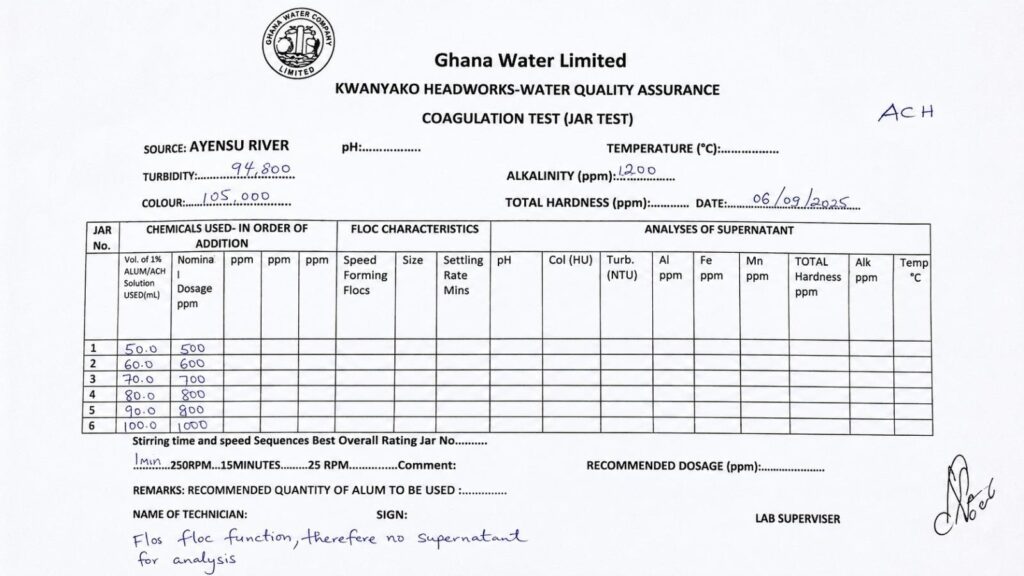
Despite GWL's assertions that it only conducts turbidity tests during water treatment rather than monitoring river bodies, the journalist highlights a critical contradiction: the company's own official records show it does measure and hold turbidity data on natural water bodies, including the Ayensu River at Kwanyako Headworks.
Why it matters for Ghana
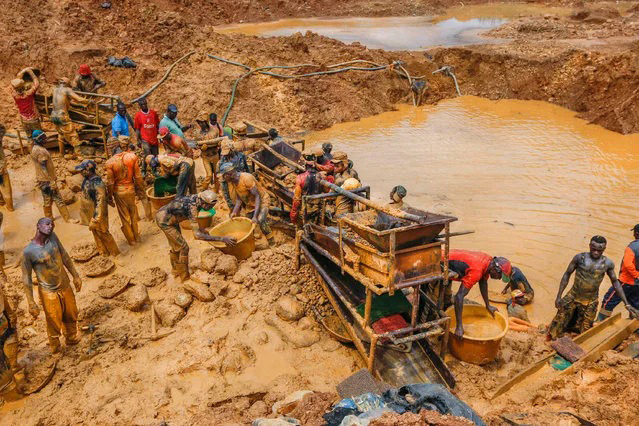
The disagreement carries significant implications for public health and environmental accountability in Ghana. Access to accurate, timely water quality data is essential for protecting citizens from contaminated water supplies. Galamsey, or illegal mining, has become a catastrophic threat to Ghana's freshwater resources, destroying ecosystems and degrading water quality across multiple regions.
The journalist's evidence is striking: turbidity levels at Kwanyako rose from as low as 25 Nephelometric Turbidity Units (NTU) in 2016 to a dangerous 94,800 NTU by September 2025, prompting GWL to shut down the plant. This dramatic deterioration directly reflects illegal mining activity upstream. If GWL personnel fear sharing such data due to warnings or victimisation, it raises troubling questions about political or institutional pressure to suppress information about the scale of the galamsey crisis.
Citizens deserve transparent access to water quality information. GWL's reluctance to acknowledge it holds turbidity data, combined with staff concerns about speaking openly, suggests a broader pattern of obfuscation when clarity is most needed. As galamsey continues to ravage Ghana's water systems, public scrutiny and official accountability become more critical than ever.
The data evidence
The journalist emphasises that GWL's own records contradict its public denials. Official Water Quality Assurance Coagulation Test data shows turbidity measurements from the Ayensu River at Kwanyako Headworks. Moreover, GWL has previously shared such records with media outlets; during a JoyNews visit in September 2025, plant staff voluntarily provided turbidity records spanning from 2016 to the present. This history of sharing data makes the company's current reluctance and denial even more questionable.
Source: MyJoyOnline


Comments (0)
Be the first to comment.