
Ghana Water Company faces GHC459m government debt crisis, warns of operational strain


The Ghana Water Company Limited (GWCL) has raised alarm over a staggering GHC459 million debt owed by the government, revealing the financial crisis threatening the nation's water supply infrastructure. According to management's disclosure to the Works and Housing Minister, the arrears as of September 2026 represent a critical burden on the company's ability to maintain and expand water services across Ghana.
The Scale of the Crisis
Outstanding government payments of GHC459 million constitute a severe drain on GWCL's operational capacity. This debt backlog directly impacts the company's ability to purchase chemicals for water treatment, maintain aging pipe networks, invest in new infrastructure, and pay staff salaries reliably. When government fails to settle its bills for water supplied to public institutions—schools, hospitals, government offices, and military facilities—it creates a cascading financial crisis that ultimately affects ordinary Ghanaians' access to clean water.
The timing of this disclosure is particularly concerning. As Ghana grapples with broader economic challenges and budget pressures, public utilities like GWCL face mounting difficulties in securing operational funds. Management's direct communication to the Works and Housing Minister suggests the situation has reached critical levels requiring urgent ministerial intervention.
Why It Matters for Ghana
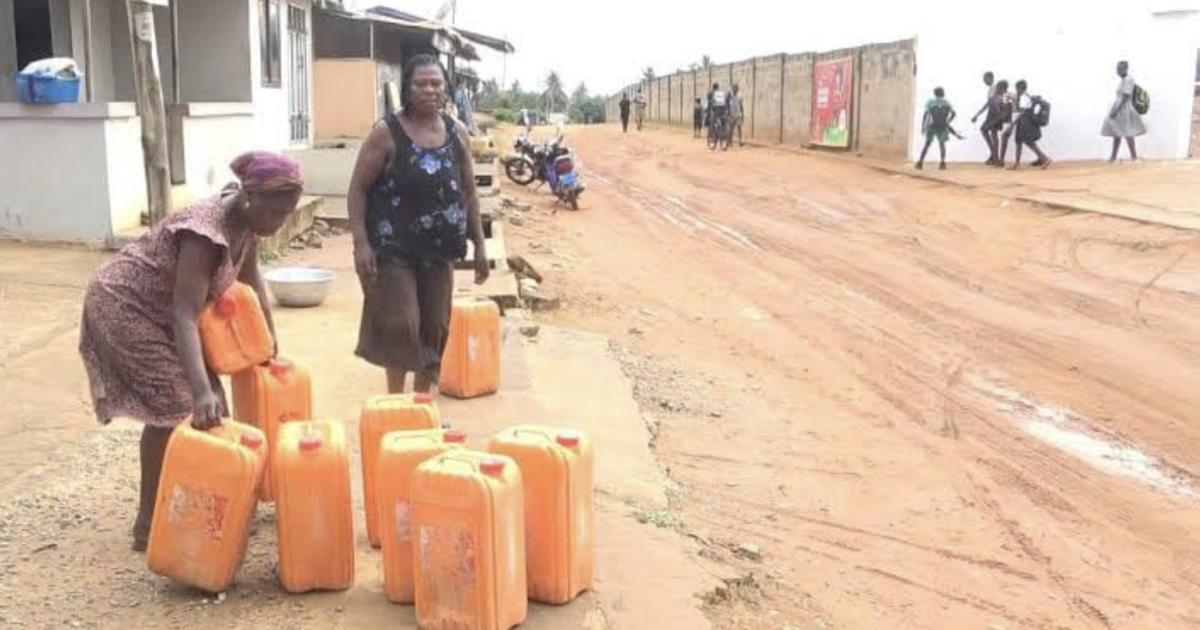
Water security is fundamental to Ghana's development and public health. When GWCL struggles financially, the consequences extend far beyond the company's balance sheet. Delayed maintenance leads to increased water loss through leaks—estimates suggest Ghana loses substantial volumes daily through pipe deterioration. Interrupted water treatment creates public health risks. Inability to expand services means communities still lack access to piped water remain excluded from basic services.
The government's failure to pay for water it consumes sends a troubling message about fiscal discipline and interagency accountability. Public institutions receiving free or unpaid water have reduced incentive to use it efficiently, exacerbating waste. Meanwhile, private customers and businesses must pay promptly whilst government entities accumulate massive arrears.
This situation also threatens GWCL's creditworthiness and ability to borrow for capital projects. Banks and international development partners scrutinise payment histories when considering loans for infrastructure expansion. When a utility cannot collect from its largest customer—government—investors worry about sustainability and repayment capacity.
The Path Forward
Resolving the GHC459 million debt requires multiple actions. Government must commit to a structured payment plan, prioritising settlement of outstanding bills over several fiscal years if immediate full payment proves impossible. GWCL management should implement stricter billing and collection protocols for government institutions, possibly requiring departmental budget allocations specifically for water payments. The Works and Housing Ministry must establish oversight mechanisms ensuring government agencies prioritise utility payments.
Additionally, there should be transparency about how this debt accumulated and which government institutions account for the largest portions. Understanding whether it stems from one sector (defence, health, education) or is spread across ministries informs targeted solutions.
Ghanaians deserve reliable water access. Resolving government's debt to GWCL is not merely an accounting matter—it is essential infrastructure policy that directly affects millions of citizens' quality of life and the nation's development trajectory.
Source: 3News


Comments (0)
Be the first to comment.