Four Years Without Water: How Agbozume's Infrastructure Crisis is Crippling a Volta Community
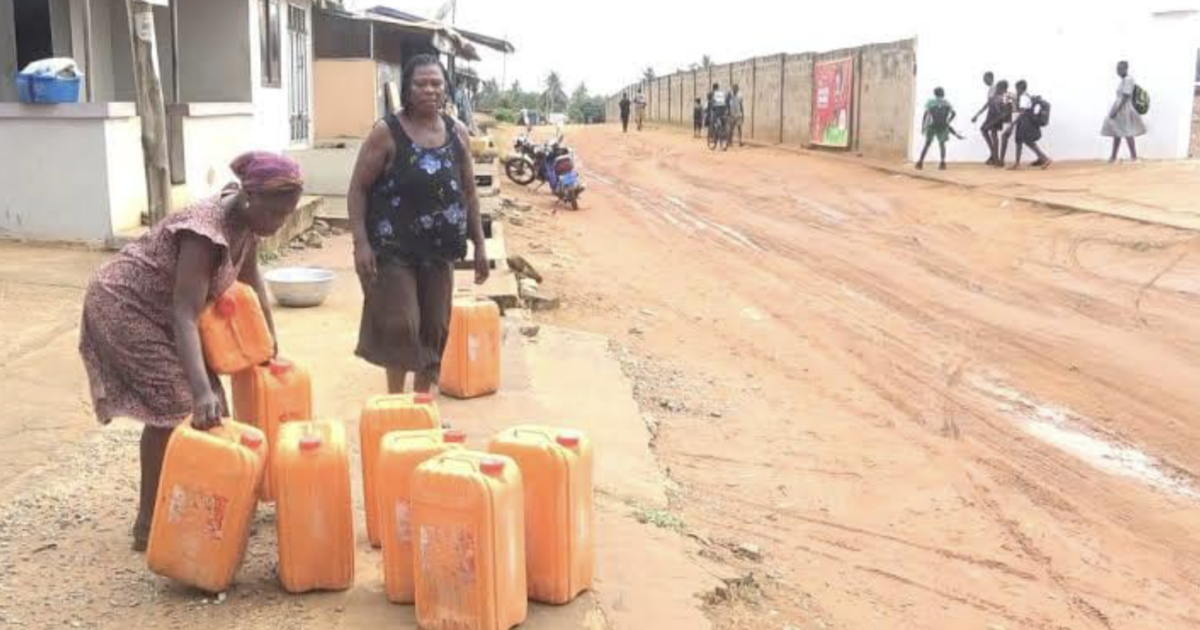
A devastating water crisis spanning four years has pushed residents of Agbozume and nearby communities in Ketu South Municipality into financial hardship and restricted access to basic services. With no reliable public water supply since mid-2023, households are forced to hire tricycles to transport water from distant communities—a costly burden that has become unsustainable for many families already struggling with rising living costs.
The collapse of the Agbozume Community Borehole during heavy rainfall and flooding in mid-2023 marked the beginning of the current crisis. What was meant to be a temporary setback has now stretched into years of unresolved water scarcity, leaving residents questioning why restoration efforts have stalled despite intervention by the Ghana Water Company Limited (GWCL).
The Infrastructure Failure and Failed Recovery
The Agbozume Community Borehole, which had been constructed by a corporate organisation and handed over to community stakeholders under GWCL management, became non-functional when the infrastructure collapsed during the 2023 floods. This was not simply a maintenance issue—the entire water system that served the community ground to a halt.
In response, GWCL drilled several new boreholes in mid-2024 in an attempt to restore water supply to the area. However, more than a year later, residents report that these new installations have failed to deliver reliable water access. The lack of transparency from GWCL has deepened frustration, with residents and community leaders receiving no official updates on the status of repairs or explanations for the continued delays.
According to Dan Jerry Sorokpo, a community member who has become the voice of residents' concerns, the situation represents a serious breach of the public utility's responsibility to provide basic services. He emphasised that GWCL has not communicated with the community about current challenges or a realistic timeline for resolution.
Why This Matters for Ghana: The Broader Water Supply Crisis
Agbozume's plight reflects a wider struggle with water infrastructure in Ghana's Volta Region and beyond. The failure to maintain and rapidly restore water systems affects not only household convenience but undermines public health, education and economic productivity. Schools cannot maintain sanitation standards without reliable water. Health facilities cannot properly sterilise equipment or provide adequate hygiene services. Workers and businesses suffer operational losses.
The crisis also places disproportionate financial strain on poor households, who now spend significant portions of their income on purchasing and transporting water—money that could otherwise go towards food, education or healthcare. This is particularly severe in rural and peri-urban areas where alternative water sources are limited and GWCL services are already stretched.
Agbozume's experience highlights the need for urgent investment in water infrastructure maintenance, transparent communication between utilities and communities, and rapid response protocols when systems fail. The Ghana Water Company Limited must prioritise not only drilling new boreholes but ensuring they function reliably and providing communities with regular updates on progress and challenges.
A Call for Action and Accountability
Mr Sorokpo has submitted a formal petition to GWCL's Volta Regional Manager, the Managing Director of GWCL, the Minister of Local Government, the Volta Regional Minister, and the Ketu South Municipal Chief Executive, requesting an urgent stakeholder town hall meeting. The engagement would allow GWCL to explain the current status of the water system, identify specific obstacles to restoration, and outline a clear path forward.
Such transparency and community engagement are essential to rebuild public trust and demonstrate that government institutions take residents' access to water seriously. Without swift action and genuine dialogue, Agbozume risks becoming a cautionary tale of infrastructure neglect—one that other Ghanaian communities may also face.
Source: MyJoyOnline

Comments (0)
Be the first to comment.