
GWCL Targets 3-4 Days Weekly Water Supply as Greater Accra Residents Demand Better Service

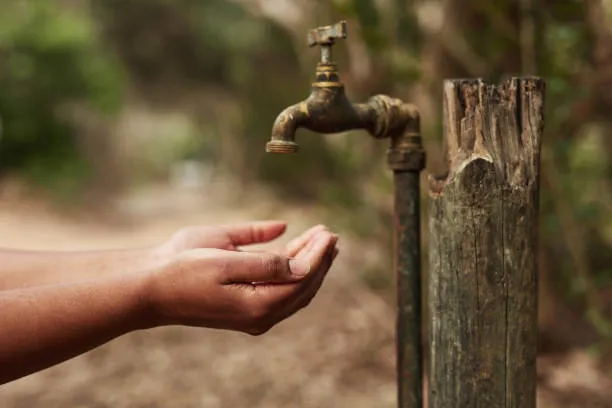
Ghana Water Company Limited (GWCL) is acknowledging the severity of water shortages across parts of Greater Accra by setting a modest interim target: ensuring water supply reaches affected communities for just three to four days each week. This comes after residents endured weeks of unreliable or absent water flow, forcing many households to purchase supplies from water tankers or travel to neighbouring communities in search of running water.
The announcement reflects the scale of the crisis affecting eastern Accra, including areas such as Community 22, Ashaiman, and Bethlehem, where some residents went nearly three weeks without piped water. Whilst recent improvements have offered some relief, frustration remains high—not only over the shortages themselves, but over GWCL's communication failures throughout the crisis.
What caused the shortages?
The primary culprit is the shutdown of the Teshie Desalination Plant, which normally serves eastern Accra including Teshie-Nungua and Spintex. GWCL's Head of Public Relations and Communications, Stanley Martey, explained that engineers have spent the past two weeks reconfiguring the distribution system after discovering that some communities were not receiving water despite supplies being available in the network. The company was forced to redirect water from the Kpong Treatment Plant—already struggling to meet demand in its own service areas—to cover the gap left by the desalination plant's closure.
Martey said the interim solution involves dividing affected areas into three zones with a published water rationing timetable. Residents will be notified in advance of supply days, allowing households to collect and store water appropriately. However, he cautioned that this three to four-day target would not apply uniformly across all areas; elevated communities may continue to experience difficulties due to pressure limitations.
Why this matters for Ghana
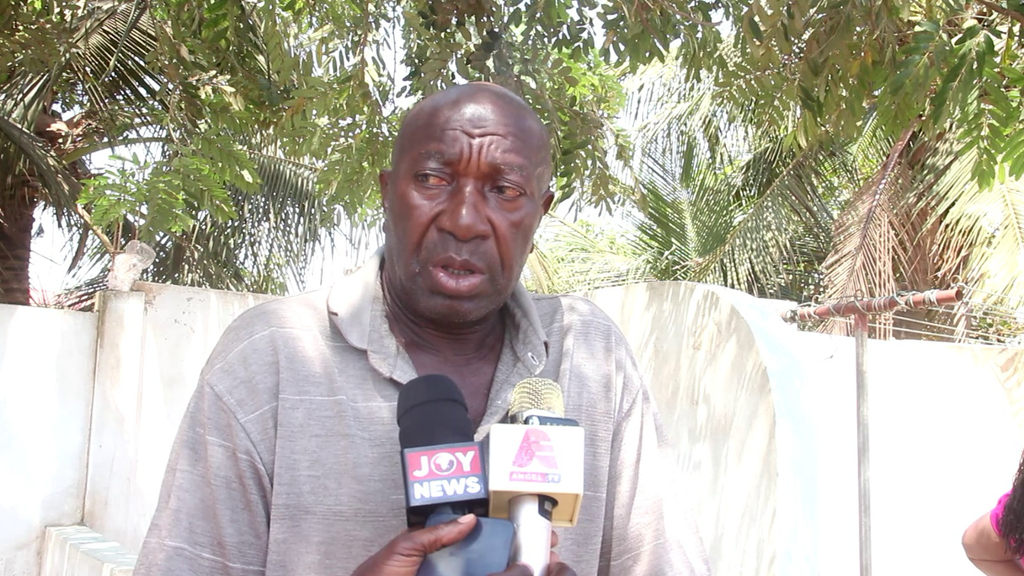
Water supply is foundational to public health, education, and economic productivity. For Ghanaians in affected communities, the current crisis is not an abstract problem—it directly impacts daily life, health, and finances. Residents are paying water bills and taxes whilst receiving minimal service, and the lack of communication has compounded frustration. Stephen Kemevor from Bethlehem captured residents' broader complaint: government utilities must provide timely information and maintain professional customer relations, particularly when services are interrupted.
The crisis also exposes weaknesses in Ghana's water infrastructure planning. Reliance on a single desalination plant for a densely populated region creates vulnerability. Long-term solutions—such as the proposed Aveyime treatment plant in the Volta Region and the Kpong Phase Two expansion—are necessary, but they require sustained investment and project management.
The path forward
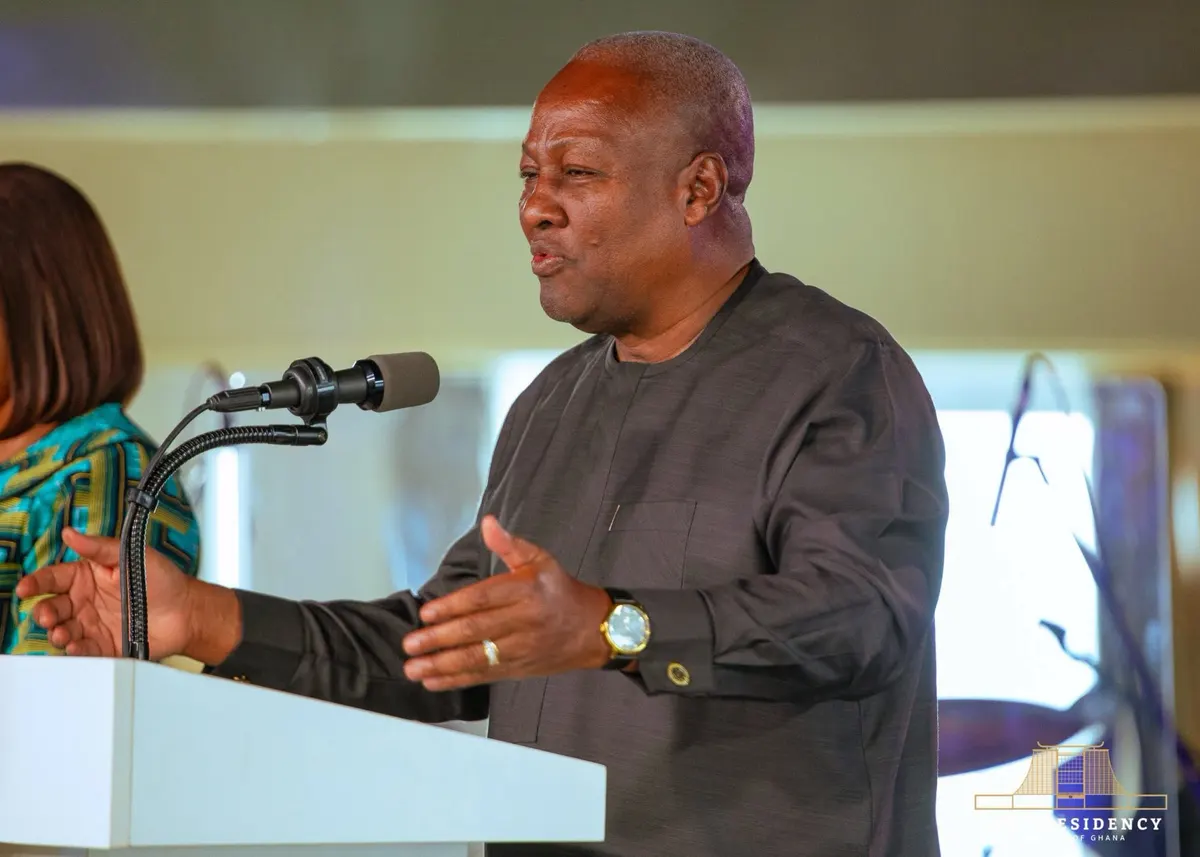
GWCL has outlined a tiered recovery strategy. Restoring the Teshie Desalination Plant is the immediate priority; President John Mahama has directed that efforts be accelerated. According to Martey, reopening this facility could resolve 80 to 90 percent of the problem. The company is negotiating with the plant's private owners under a build, own, operate and transfer arrangement.
Beyond the desalination plant, GWCL is pursuing capacity expansion. The Kpong Phase Two project is expected to add 40 to 60 million gallons of water to the system, whilst the new Aveyime treatment plant would serve the corridor towards Tema's industrial area. These projects, if completed effectively, could provide more resilient supply chains and reduce future crises.
For now, residents remain cautiously hopeful. Many have acknowledged recent improvements in water pressure and flow. However, their patience depends on GWCL demonstrating sustained effort, transparent communication, and a credible timeline for fuller restoration of service.
Source: MyJoyOnline


Comments (0)
Be the first to comment.