Ghana's Trade Surges to $52.5bn in 2025 as Gold Grip Tightens on Export Economy
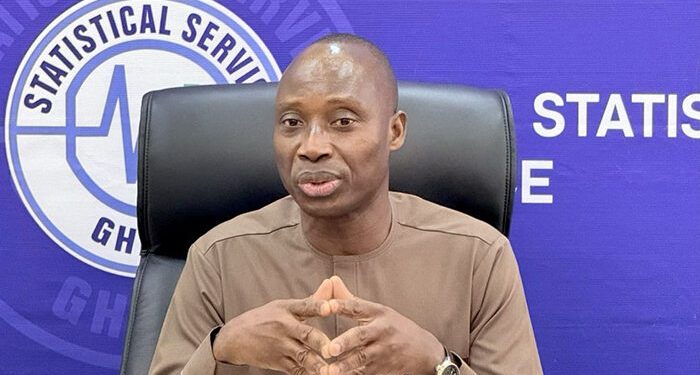
Ghana's international goods trade has experienced dramatic growth, reaching US$52.5bn in 2025—a remarkable jump from US$6bn two decades earlier, according to fresh data from the Ghana Statistical Service (GSS) released in August 2026. The expansion reflects not only increased trade volumes but also a fundamental shift in the commodities driving Ghana's export economy.
The most striking trend is gold's overwhelming dominance of Ghana's export basket. The precious metal now accounts for 63.1% of total exports, up sharply from 38.5% just one year prior. This concentration represents a decisive reshuffling of Ghana's trade structure, with the country increasingly leaning on mineral wealth rather than agricultural exports.
Cocoa's Declining Share and Trade Surplus Growth
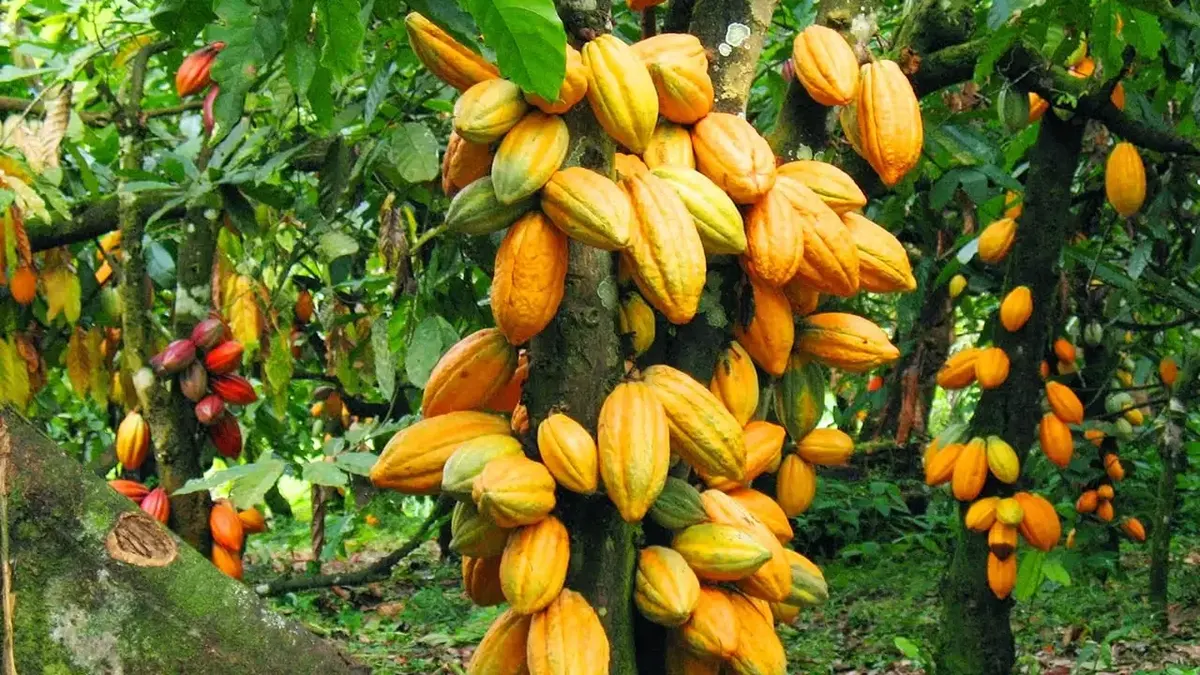
Cocoa, historically Ghana's cornerstone export and a source of national pride, has seen its export share collapse. The combined value of cocoa beans and cocoa products fell from 29.3% of exports in 2024 to just 14% in 2025. This contraction—whether driven by global price fluctuations, production challenges, or shifting international demand—signals vulnerability in Ghana's agricultural export sector.
On a positive note, Ghana has swung decisively toward trade surplus, recording GH¢148.3bn in 2025 compared with GH¢44.7bn the previous year. This represents a tripling of the surplus and suggests improved export competitiveness or reduced import demand, though the composition of imports offers important clues: mineral fuels and oils comprised 25.7% of purchases, while vehicles and automotive parts made up 15.4%.
Asia's Rising Role and the Diversification Challenge
Geography is reshaping Ghana's trade relationships. Asia emerged as the country's dominant trading partner in 2025, accounting for 50.1% of exports and 48.4% of imports. This eastward pivot reflects broader African and Ghanaian economic realignment, particularly as Chinese investment in mining and infrastructure deepens.
Yet the GSS has sounded a cautionary note. While the headline figures suggest economic dynamism, Ghana's trade structure remains dangerously narrow. The reliance on gold for nearly two-thirds of export revenue creates significant vulnerability to commodity price volatility. If global gold prices weaken, Ghana's export earnings—and government revenue dependent on mining taxes—could face sharp contraction.
The statistical agency has called for urgent action on three fronts: building greater value addition in Ghana's exports (processing raw materials rather than shipping them unrefined), diversifying away from narrow commodity dependence, and strengthening support systems for Ghanaian businesses entering international markets. Without these changes, Ghana risks remaining locked in a commodity-export economy despite its substantial human and natural resources.
The 2024-2025 trade data reveal both opportunity and risk. Ghana's trade volumes are expanding, and its balance sheet has shifted decisively positive. Yet the concentration of export earnings in a single commodity—and the decline of cocoa—underscores the fragility of an economy built on resource extraction alone.
Source: The Ghana Report


Comments (0)
Be the first to comment.