Ghana's Trade Surplus Triples to GH¢148.3bn in 2025 as Gold Drives Export Boom
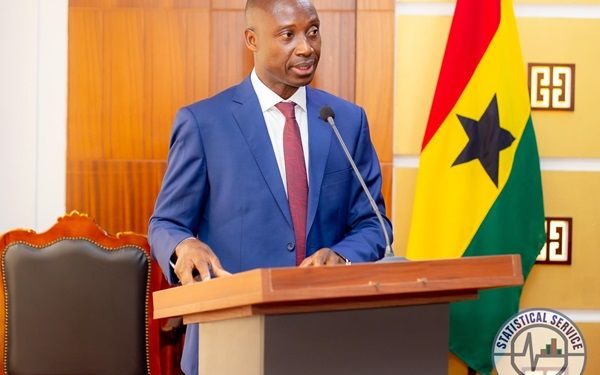
Ghana's international trade performance surged dramatically in 2025, with the country achieving a record trade surplus of GH¢148.3 billion—more than tripling the GH¢44.7 billion surplus recorded the previous year. The Ghana Statistical Service released the findings in its 2025 Annual International Merchandise Trade Statistics Report, signalling a major turnaround in the nation's external trade position.
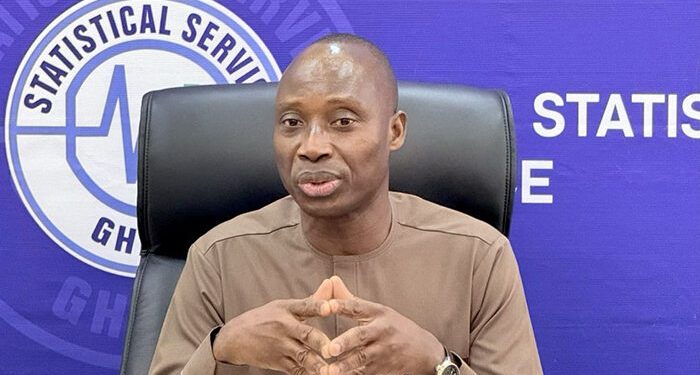
The improved performance reflects strong global demand for Ghana's primary exports and better commodity prices. According to Government Statistician Dr. Alhassan Iddrisu, Ghana traded a total of GH¢654.7 billion (approximately US$52.5 billion) with the world in 2025, with exports reaching GH¢401.5 billion against imports of GH¢253.2 billion. Notably, exports exceeded imports in every month of the year, with December emerging as the strongest trading month and generating a monthly surplus of GH¢25.8 billion.
Gold Dominates Export Portfolio
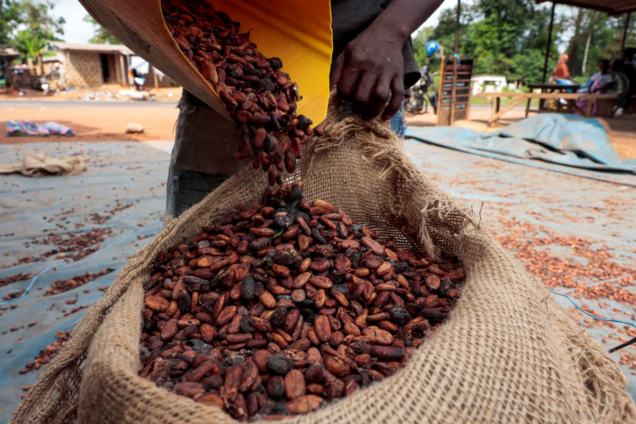
The nation's export performance rests heavily on three key commodities. Gold remains the undisputed export champion, generating GH¢252.4 billion and accounting for nearly 63 per cent of all exports. Cocoa beans and cocoa products contributed GH¢56.2 billion, while crude petroleum added GH¢35.3 billion to export earnings. Together, these three sectors represent approximately 86 per cent of Ghana's total exports, highlighting the country's continued reliance on traditional commodity exports.
On the import side, fuel products dominate Ghana's shopping list. Diesel tops individual import items at GH¢28.4 billion, followed by petrol at GH¢23.2 billion. Beyond energy products, Ghana imported vehicles, machinery, cement clinkers, rice and other food items, reflecting both industrial and consumer demand.
The statistical service noted that Ghana expanded its trading relationships during the year, importing from 216 countries and exporting to 163 countries—increases from the previous year's figures. Asia emerged as Ghana's largest trading partner region, with the United Arab Emirates, India, Switzerland, South Africa and China leading as top export destinations. China, however, remains Ghana's primary import supplier, providing machinery, vehicles, iron and steel products, plastics and chemicals.
Why It Matters for Ghana
The tripling of Ghana's trade surplus represents a significant economic development with important implications for macroeconomic stability. A larger trade surplus strengthens Ghana's foreign exchange reserves, potentially easing pressure on the cedi and improving the country's capacity to meet external debt obligations—a critical issue for a nation that has faced currency pressures and sought International Monetary Fund support in recent years.
However, the data also underscores a persistent structural challenge: Ghana's export economy remains heavily concentrated in gold, cocoa and oil. This concentration creates vulnerability to commodity price fluctuations and leaves the economy exposed to external shocks. Policymakers have long recognised the need to diversify exports into higher-value manufacturing and processed goods, yet progress on this front remains limited.
Encouragingly, the report highlights stronger intra-African trade dynamics. Ghana recorded a GH¢34.7 billion trade surplus with African countries in 2025, exporting to 51 African nations and importing from 55 across the continent. This reflects the potential of regional integration through frameworks like the African Continental Free Trade Area, offering opportunities for Ghana to develop more diversified trading relationships and reduce dependence on global commodity markets.
For ordinary Ghanaians, the strong trade surplus should theoretically translate into greater macroeconomic stability, lower inflation pressures, and improved government capacity to invest in infrastructure and social services. However, actual benefits depend on how the government deploys these foreign exchange gains and whether structural economic diversification accelerates in coming years.
Source: The Ghana Report

Comments (0)
Be the first to comment.