Ghana's Trade Sector Demands Major Digital Overhaul of Tax Authority Systems
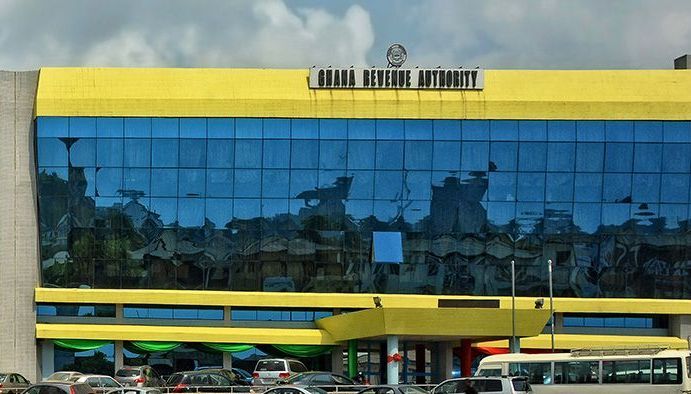
Ghana's business community has raised alarm over inadequate investment in the Ghana Revenue Authority's digital infrastructure, warning that current systems fall short of international standards and are hindering the nation's competitiveness in global trade.
The Import and Export Association of Ghana (IEAG) has called for substantial capital injection into the GRA's digital services and payment platforms, arguing that whilst the country has made headway in adopting digital technologies, the current level of investment is insufficient to create a modern, efficient customs and revenue system that meets the needs of traders and international best practices.
The Current State of Ghana's Digital Tax Infrastructure
Ghana has implemented various digital initiatives in recent years aimed at modernising tax collection and customs clearance. However, according to the IEAG, these efforts remain fragmented and under-resourced. The association points out that inconsistencies in system standardisation create friction points for businesses engaged in import-export activities, leading to delays, increased operational costs, and reduced efficiency at ports and borders.
For a trading nation like Ghana, where customs revenue and port operations are critical to both government finances and business viability, outdated or partially-modernised systems represent a significant brake on economic activity. Traders frequently report challenges navigating multiple payment portals, incomplete digital documentation requirements, and technical failures that force manual workarounds—exactly the inefficiencies that digital systems are meant to eliminate.
Why This Matters for Ghana's Economy
Investment in GRA digital infrastructure carries implications far beyond tax collection. A modern, seamless customs system attracts regional and international traders, reduces smuggling, improves compliance, and ultimately increases government revenue. For Ghana, which aspires to serve as a West African trade hub, weak digital infrastructure at the revenue authority undermines that ambition.
Businesses operating in Ghana's import-export sector compete with traders in neighbouring countries. If Ghana's customs clearance is slower, more opaque, or more prone to technical failure than competitors' systems, companies will choose to do business elsewhere. The IEAG's plea for investment should therefore be understood as a call to protect Ghana's strategic economic position within ECOWAS and beyond.
Additionally, improved GRA digital platforms can enhance transparency and reduce opportunities for corruption, bolstering investor confidence. Both local and foreign traders value predictability and efficiency; a modern digital revenue system signals professionalism and reliability.
What Needs to Happen Next
The IEAG's intervention suggests that dialogue between government, the GRA, and the private sector is essential. Key priorities likely include:
- Unified digital payment gateways that eliminate multiple portals and reduce transaction confusion
- Real-time tracking of shipments and clearance status accessible to traders
- Standardised documentation requirements aligned with ECOWAS and international protocols
- Reliable system infrastructure with minimal downtime and strong technical support
- Clear communication from GRA about system updates and changes
The GRA and Ministry of Finance should prioritise this investment not as a cost centre but as a revenue-generating and business-enabling asset. Countries that have modernised their customs systems—such as Singapore and Rwanda—have seen measurable improvements in trade volumes and government collections.
Ghana has the opportunity to strengthen its position as a regional trade gateway. But that requires treating digital infrastructure investment in the revenue authority as a strategic priority, not an afterthought.
Source: 3News




Comments (0)
Be the first to comment.