
Ghana's Schools to Get Major Tech Overhaul: Coding, AI and TVET Now in Basic Curriculum
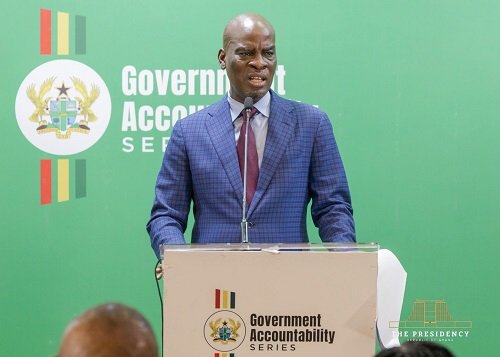

Ghana's education system is set for a significant modernisation, with the government unveiling plans to inject technology and vocational training into classrooms from primary school level. Education Minister Haruna Iddrisu has confirmed that a completely revised national curriculum for basic education will be submitted to the Ministry this week, marking a decisive shift towards preparing Ghanaian pupils for a digital economy.
The new curriculum, developed by the National Curriculum Assessment Agency (NaCCA), represents the government's "Smart Start" approach to education. Rather than maintaining traditional subject divisions, the revised framework introduces practical, skills-based learning alongside conventional academics. The overhaul is designed to equip students with competencies that employers increasingly demand: coding, electronics, artificial intelligence, and hands-on technical vocational skills.
What's Changing in Ghanaian Classrooms
The proposed curriculum marks a departure from Ghana's historically academic-focused basic education structure. New subjects will sit alongside STEM (science, technology, engineering and mathematics) strengthening, introducing pupils as young as kindergarten age to foundational digital literacy and problem-solving concepts. Coding and electronics will give students practical programming experience, whilst the introduction of AI modules reflects global educational trends recognising artificial intelligence as a core competency. Technical and Vocational Education and Training (TVET) integration will provide pathways for learners beyond traditional university routes, addressing Ghana's persistent skills gap in skilled trades and technical professions.
The curriculum must clear several approval hurdles before implementation. After this week's Ministry submission, it moves to President John Dramani Mahama, then Cabinet, and finally Parliament. This multi-stage process, whilst lengthy, reflects the significance of revising national education standards that affect millions of Ghanaian children.
Why It Matters for Ghana
This curriculum revision directly addresses long-standing concerns about Ghana's education system's relevance to modern job markets. Ghana's youth unemployment remains stubbornly high, partly because school-leavers lack practical digital and technical skills employers seek. A World Bank report has repeatedly flagged skills mismatches in West Africa, where traditional education produces graduates unprepared for technology-driven sectors.
By introducing coding and AI at basic level, Ghana joins countries like Rwanda and Kenya in recognising that digital literacy is now foundational, not optional. Students who learn programming in primary school gain years of experience before tertiary education, dramatically improving their competitiveness in global tech sectors and creating pathways into high-growth industries. TVET integration particularly benefits pupils unlikely to pursue university degrees—historically marginalised in Ghana's education system—by offering recognised vocational credentials and direct routes into skilled employment.
For Ghana's broader development agenda, this curriculum positions the country to capitalise on its digital potential. The country has growing tech hubs in Accra and Kumasi, yet lacks sufficient pipeline talent. A generation educated in coding and AI from childhood could reshape Ghana's tech sector within a decade.
Timeline and Implementation Outlook
The immediate challenge is securing parliamentary approval without delay. Once approved, schools will need teacher training programmes—critical given many current educators lack coding and AI expertise. The government will likely need to invest in professional development and updated teaching materials. A phased rollout, potentially starting with select pilot schools, seems probable rather than nationwide simultaneous implementation.
Minister Iddrisu's confidence in the curriculum's impact reflects genuine policy ambition. However, successful execution depends on adequate funding, teacher capacity-building, and sustained commitment across multiple government terms. Ghana's history shows education reforms sometimes falter when political winds shift.
Source: The Ghanaian Times





Comments (0)
Be the first to comment.