
Ghana's public transport at crossroads: NPA chief warns against over-reliance on private operators


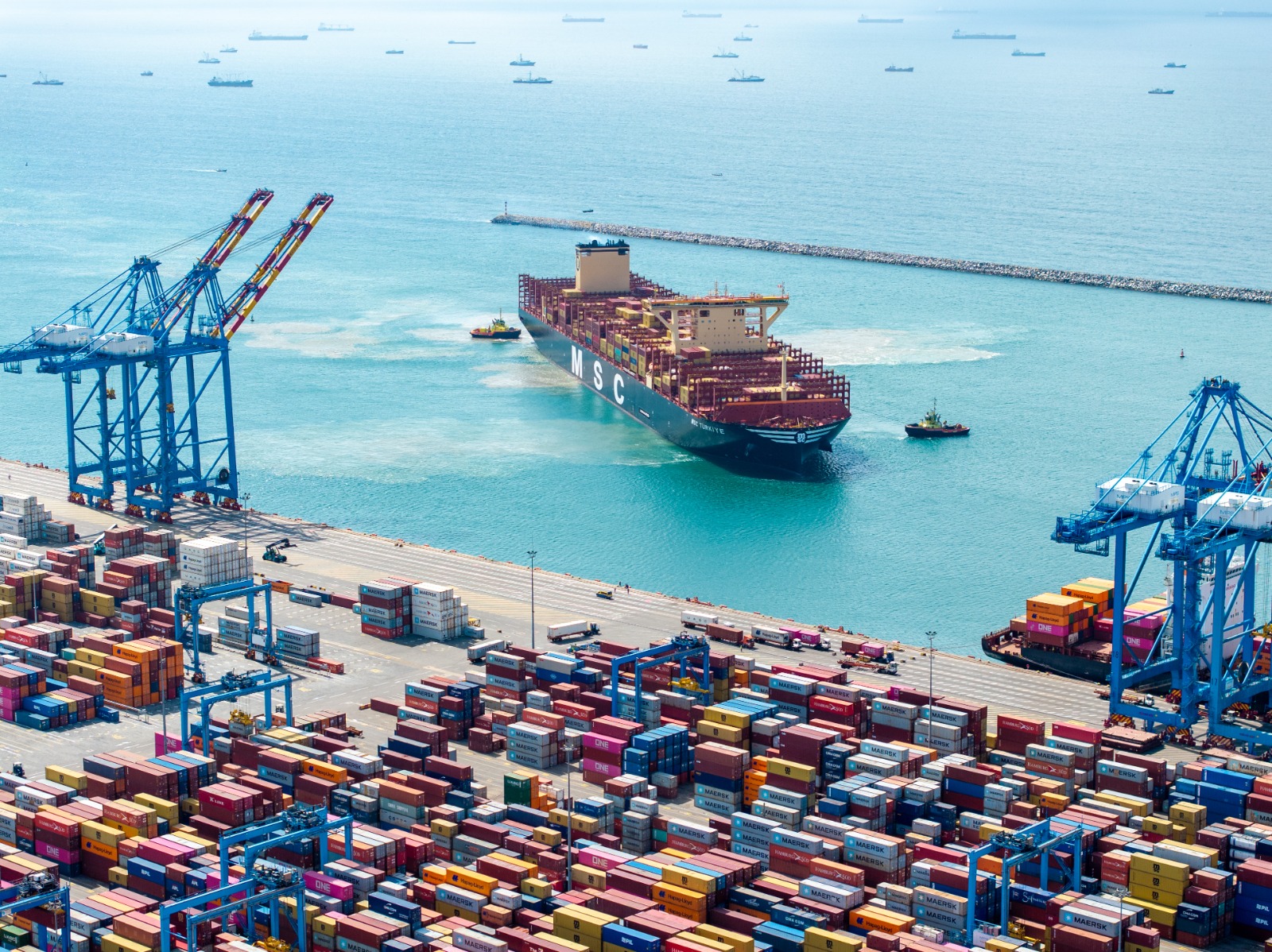
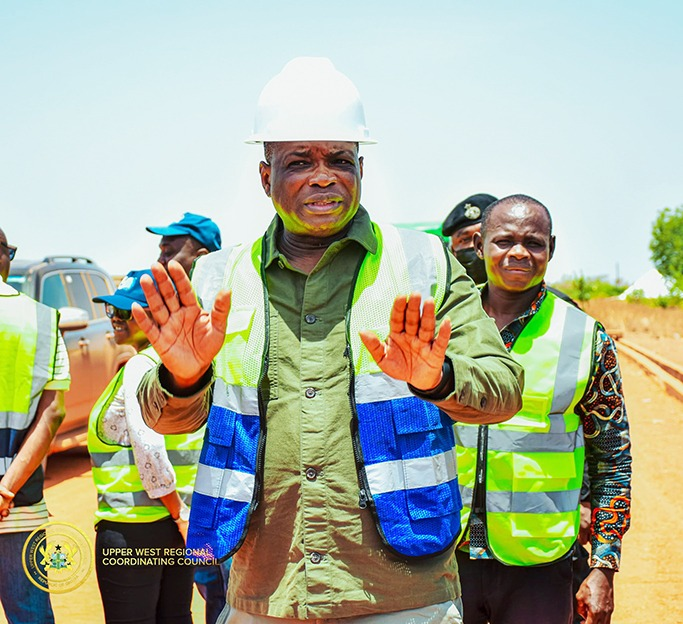
Ghana's transport sector faces a critical juncture, with senior government officials now publicly cautioning against leaving public transit entirely in private hands. Godwin Edudzi Tameklo, Chief Executive Officer of the National Ports Authority, has issued a stark warning that excessive dependence on private operators threatens both the nation's economic stability and security interests.
The intervention comes amid longstanding tensions between government, commuters, and transport operators over fares. Private bus and taxi operators have repeatedly raised fares in response to fuel price fluctuations and operational costs, placing transportation costs beyond the reach of many ordinary Ghanaians. Tameklo's statement suggests that state ownership and operation of transport services could provide more predictable pricing and ensure essential mobility remains affordable for all citizens.
The case for state investment in transport
Tameklo's position reflects growing concern that privatisation of critical infrastructure like public transport can create monopolistic conditions and leave government with limited leverage to protect consumers. When privately operated systems dominate, operators can effectively hold the travelling public and the economy hostage through fare increases, with little recourse available to ordinary commuters or policymakers.
A state-owned transport network, by contrast, could be subsidised to keep fares affordable, integrated more effectively with national development plans, and operated with social welfare rather than profit maximisation as the primary objective. Such systems have been considered essential public utilities in many developing nations.
Why this matters for Ghana
Ghana's transport challenges directly impact economic productivity, inflation, and social stability. When commuting costs rise sharply, workers spend less on goods and services, healthcare and education suffer reduced demand, and general purchasing power declines. Workers in informal sectors—who form the backbone of Ghana's economy—are particularly vulnerable to fare shocks.
Beyond economics, Tameklo raises national security considerations. A functioning, reliable public transport system is fundamental to national resilience; over-reliance on private operators means critical infrastructure depends on commercial interests rather than state capacity. This creates vulnerabilities in times of crisis, conflict, or emergency when state control becomes essential.
The transport sector also represents a significant employment opportunity. A revitalised state transport authority could create thousands of jobs whilst simultaneously improving service quality and affordability. Many African countries are revisiting public transport investment after decades of privatisation proved insufficient to serve populations equitably.
The broader debate ahead
Tameklo's intervention does not necessarily advocate for eliminating private operators entirely, but rather suggests a balanced model combining robust state capacity with regulated private participation. Such hybrid approaches—common in developed economies—allow government to set standards, control pricing, and maintain core services whilst private operators handle specific routes or services profitably.
Ghana's government will need to address serious questions about financing, management capacity, and political will required to rebuild state transport infrastructure. The current fiscal environment presents challenges, yet the long-term costs of continued transport sector failures may ultimately exceed investment costs.
For millions of Ghanaians relying on buses, tro-tros, and taxis daily, this debate carries immediate and tangible consequences. Whether policymakers heed warnings like Tameklo's will determine whether affordable, reliable mobility remains a genuine public good or becomes increasingly stratified by income.
Source: 3News



Comments (0)
Be the first to comment.