Ghana's Public Sector Pay Overhaul: FWSC Becomes IPEC to Fix Fragmented Salary System
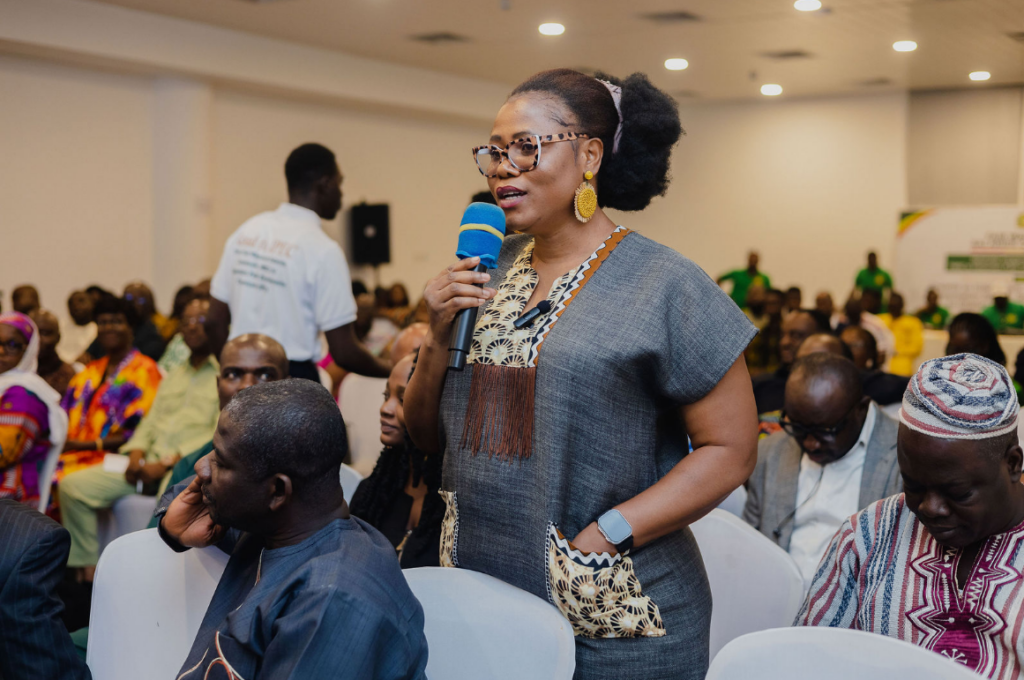
Ghana's government is undertaking a fundamental restructuring of how it pays public sector workers, with the Fair Wages and Salaries Commission (FWSC) transitioning into the Independent Public Emoluments Commission (IPEC). The shift marks more than a cosmetic rebrand—it represents a comprehensive attempt to overhaul a remuneration architecture that has long been criticised for fragmentation and inequity.
Dr. George Smith-Graham, Chief Executive of the FWSC, outlined the rationale during a stakeholder engagement in Accra, describing the current system as "fragmented, inequitable and fiscally unsustainable." The reform is a presidential priority announced by President John Dramani Mahama, and will introduce an integrated, transparent National Public Sector Emoluments Management System designed to address longstanding inefficiencies.
What the New System Will Do
The IPEC framework aims to achieve several key objectives across Ghana's public service. The commission will ensure fairness and equal pay for work of equal value—a principle that has been unevenly applied historically. It will harmonise compensation across the entire public service, including State-Owned Enterprises (SOEs), which have operated with significant autonomy and disparity in pay structures.
Critically, the new system will link remuneration to productivity and performance rather than maintaining rigid, disconnected pay scales. This performance-based approach seeks to improve accountability and efficiency across government institutions.
Why It Matters for Ghana
Ghana's SOEs have been a particular flashpoint in compensation disputes. The FWSC identified these enterprises as sources of "excessive disparities, negotiation overlaps and fiscal pressures," meaning different SOEs have negotiated vastly different salary packages for similar roles. This creates inefficiency, attracts talent unevenly across the public sector, and strains government finances.
For ordinary Ghanaians, a more sustainable and equitable pay system could mean better public service delivery. When compensation is transparent and tied to performance, agencies theoretically function more efficiently. Additionally, if the system proves fiscally sustainable, it reduces the burden on the national budget, freeing resources for investment in infrastructure, health, and education.
The reform also addresses a governance concern: the current fragmented system has allowed some SOEs and public institutions to operate with minimal oversight of their pay structures. A centralised, independent commission provides greater transparency and accountability to taxpayers.
What Happens Next
The government is conducting nationwide consultations with stakeholders—including SOE chief executives, finance and human resources directors, development partners, and the media—ahead of laying the IPEC Bill before Parliament in October 2026. These consultations are designed to gather practical insights from those managing public sector organisations and help shape a system that is genuinely modern, fair, and durable.
Dr. Smith-Graham called on SOE leaders to provide "frank perspectives" to help craft a pay system that can withstand future pressure and changes in government. The emphasis on stakeholder input suggests the government recognises that successful reform requires buy-in from those tasked with implementing it.
Ghana's move reflects growing pressure across African governments to professionalise public sector management. A transparent, performance-based compensation system could serve as a model for other West African nations grappling with similar challenges of public sector efficiency and sustainability.
Source: MyJoyOnline



Comments (0)
Be the first to comment.