
Beyond the Bottom Line: What Really Drove Ghana's SOE Board Overhaul, Says Governance Expert
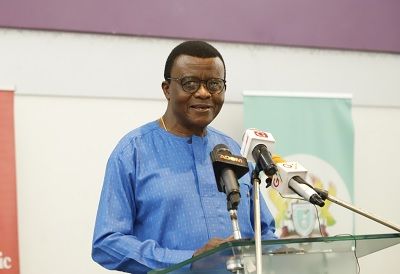

The recent sweeping changes to the boards of nine State-Owned Enterprises have sparked debate about what truly motivated the government's decision. While official narratives may have centred on financial performance, governance expert Prof. Agyeman-Duah argues the situation is considerably more nuanced, pointing to underlying governance concerns that extend well beyond simple profit-and-loss figures.
What Triggered the Board Changes?
State-Owned Enterprises form the backbone of Ghana's public sector economy, managing critical services and generating revenue for the state. When nine SOE boards were dissolved simultaneously, observers naturally looked to financial reports for answers. However, Prof. Agyeman-Duah's analysis suggests this straightforward interpretation misses the mark.
The expert points out that board dissolutions rarely occur purely because of reported profits or losses. Instead, they typically signal concerns about management oversight, accountability mechanisms, board composition, or how leaders have stewarded public resources. These governance failures often remain less visible than balance sheet metrics but are equally—if not more—important to institutional health.
The Governance Angle Ghanaians Should Understand
For Ghanaians invested in better public sector performance, Prof. Agyeman-Duah's observation raises critical questions. Effective SOE governance directly affects service delivery—from water and electricity to transport and telecommunications. When boards fail, the consequences ripple through the economy and into households nationwide.
Potential governance issues that might have prompted action include:
- Weak financial controls and audit findings suggesting mismanagement
- Inadequate board independence or conflicts of interest among directors
- Poor strategic oversight or failure to implement government policy
- Lack of transparency in decision-making or procurement processes
- Insufficient accountability to stakeholders and the public
Ghana has made commitments to improving transparency and accountability in public institutions, both domestically and through international frameworks. SOE governance sits squarely within this agenda. When boards are reconstituted, citizens deserve to understand what went wrong and how the new structure will improve performance.
Why This Matters for Ghana's Development
State-Owned Enterprises are expected to operate with greater discipline than private companies precisely because they serve the public interest. A poorly governed SOE doesn't just waste shareholder value—it undermines confidence in government, diverts resources from productive use, and can perpetuate cycles of inefficiency that burden ordinary Ghanaians.
Prof. Agyeman-Duah's intervention is timely. His expertise suggests that the conversation about these board changes should move beyond quarterly earnings reports to examine institutional fitness. Were board members properly qualified? Did the board challenge management decisions robustly? Were there adequate systems to prevent fraud or misallocation of resources?
The reconstitution of SOE boards presents an opportunity to strengthen governance frameworks. Newly appointed directors should bring relevant expertise, demonstrate independence, and commit to rigorous oversight. Government should also ensure transparency—publishing the reasons for change and the qualifications of new appointees builds public trust.
As Ghana continues navigating economic challenges, the performance of SOEs matters significantly. Better-governed enterprises can improve service delivery, generate reliable revenue, and free up capital for other priorities. Conversely, weak governance in these entities perpetuates waste and erodes public confidence in institutions.
Prof. Agyeman-Duah's reminder that board changes signal deeper issues is a call for sustained attention to how public enterprises are managed—not just whether they make a profit, but whether they operate with integrity and accountability.
Source: 3News



Comments (0)
Be the first to comment.