Ghana's Labour Groups Back New Pay Commission But Demand Equal Voice in Reform Process
Ghana's trade unions and labour organisations have thrown their weight behind the government's plan to establish an Independent Public Emoluments Commission (IPEC) to overhaul public sector pay, but with a crucial caveat: they must have a genuine and sustained role in designing the new system rather than merely commenting on government proposals.
The position emerged during a two-day stakeholder engagement hosted by the Fair Wages and Salaries Commission (FWSC), where over 50 labour groups—including the Trades Union Congress (TUC), Ghana Federation of Labour (GFL), CLOGSAG, UTAG, and GRNMA—gathered to review the draft IPEC Bill. The engagement, themed "Towards an Independent, Equitable, and Sustainable Compensation System: Stakeholders' Perspectives on Ghana's Public Sector Pay Reforms," aimed to ensure organised labour's concerns and insights shaped the new legislation before it reaches Parliament.
A Fundamental Overhaul, Not Just a Name Change
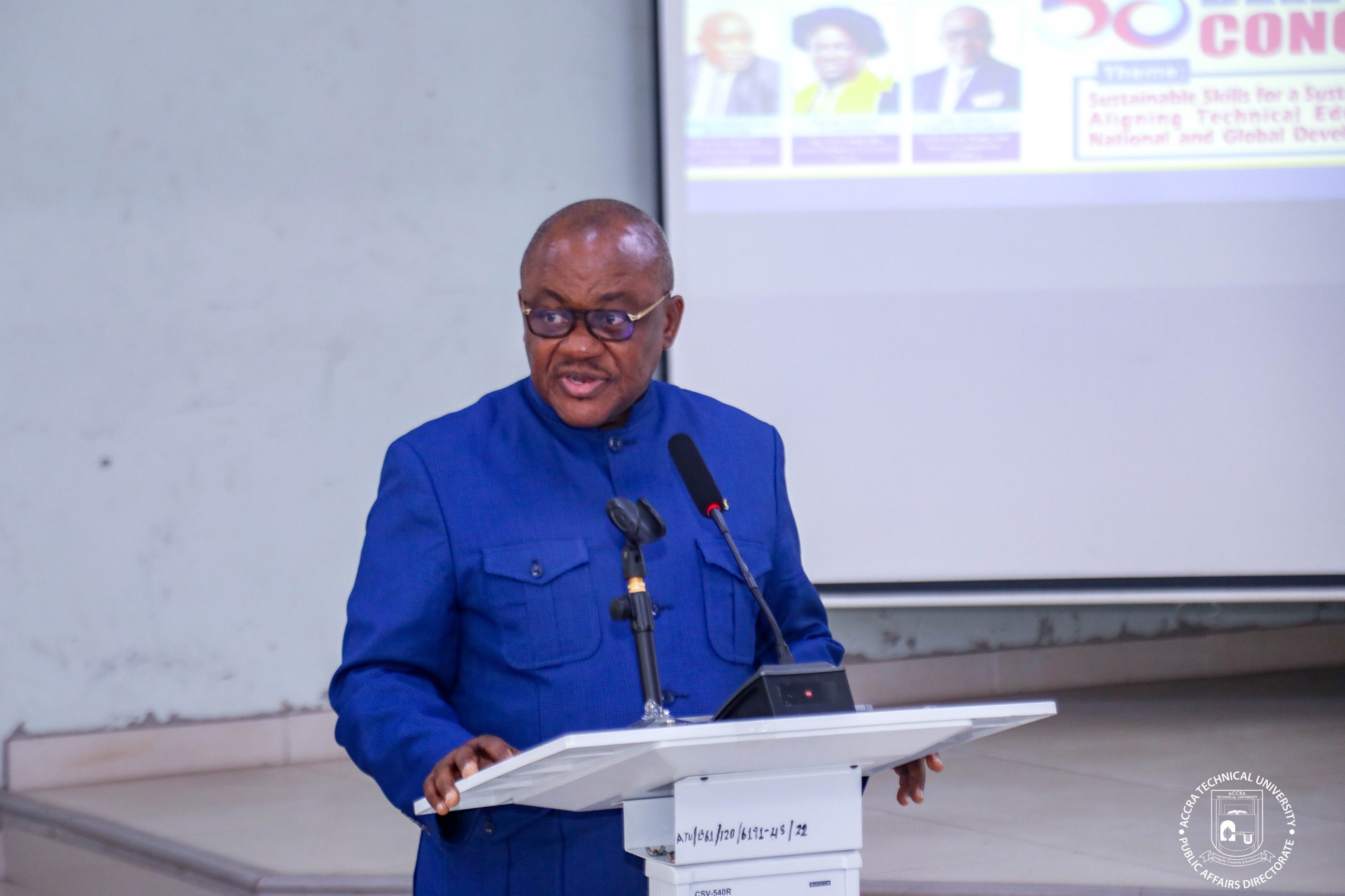
Dr George Smith-Graham, Chief Executive of the FWSC, emphasised that IPEC must represent a genuine transformation in how Ghana manages public sector compensation, not simply a cosmetic rebranding of the existing system. He pointed to persistent challenges under the Single Spine Pay Policy—implemented over a decade ago—as evidence that the current framework has outlived its usefulness. The new commission will eventually repeal Act 737, which currently governs the FWSC, signalling a break from the old approach.
Dr Smith-Graham stressed that the new compensation system must prioritise fairness, transparency, and fiscal sustainability—principles that have been tested and found wanting under the existing policy. He urged labour representatives to see themselves as genuine partners in shaping legislation, rather than external commentators invited to rubber-stamp decisions already made by government.
"Government needs Organised Labour," he said. "We do not want you to see yourselves as merely invited to comment on somebody else's Bill."
Labour's Key Demand: No Halfway Measures
TUC Secretary-General Joshua Ansah, speaking on behalf of organised labour, pledged full support and active participation in developing the compensation framework. However, he issued a stern warning against what he called a "fragmented approach" to pay reforms.
Ansah stressed that any overhaul must be comprehensive and holistic, addressing all components of public sector compensation simultaneously rather than tackling individual challenges piecemeal. He cautioned that if the government begins the reform process with labour's input but later abandons that partnership, "our presence here has no meaning." He emphasised the need for consistency from the beginning through to the end of the reform process, insisting that all stakeholders follow the same rules and principles.
"We don't want a piecemeal approach. It should be holistic so that what is good for the goose is also good for the gander," he stated.
Why It Matters for Ghana
Ghana's public sector wage bill remains one of the most contentious issues in national budgeting and fiscal management. The Single Spine Pay Policy, introduced to standardise public service salaries, created new problems even as it addressed old ones—including compression of allowances, poor motivation for skilled workers, and ongoing disputes with various professional groups.
A new, independent commission with labour's genuine involvement could help break the cycle of ad-hoc pay negotiations that have repeatedly destabilised the public service. However, success depends entirely on whether the government maintains organised labour as a true partner throughout the process rather than sidelining unions once the initial consultations end. Ghana's fiscal constraints mean any new system must be sustainable, but fairness and transparency are equally critical if the public service is to attract and retain talent. The coming months will test whether the government's commitment to partnership is as genuine as its rhetoric suggests.
Source: MyJoyOnline



Comments (0)
Be the first to comment.